
Why ASGM Must Be Part of the Global Development Agenda

.png)
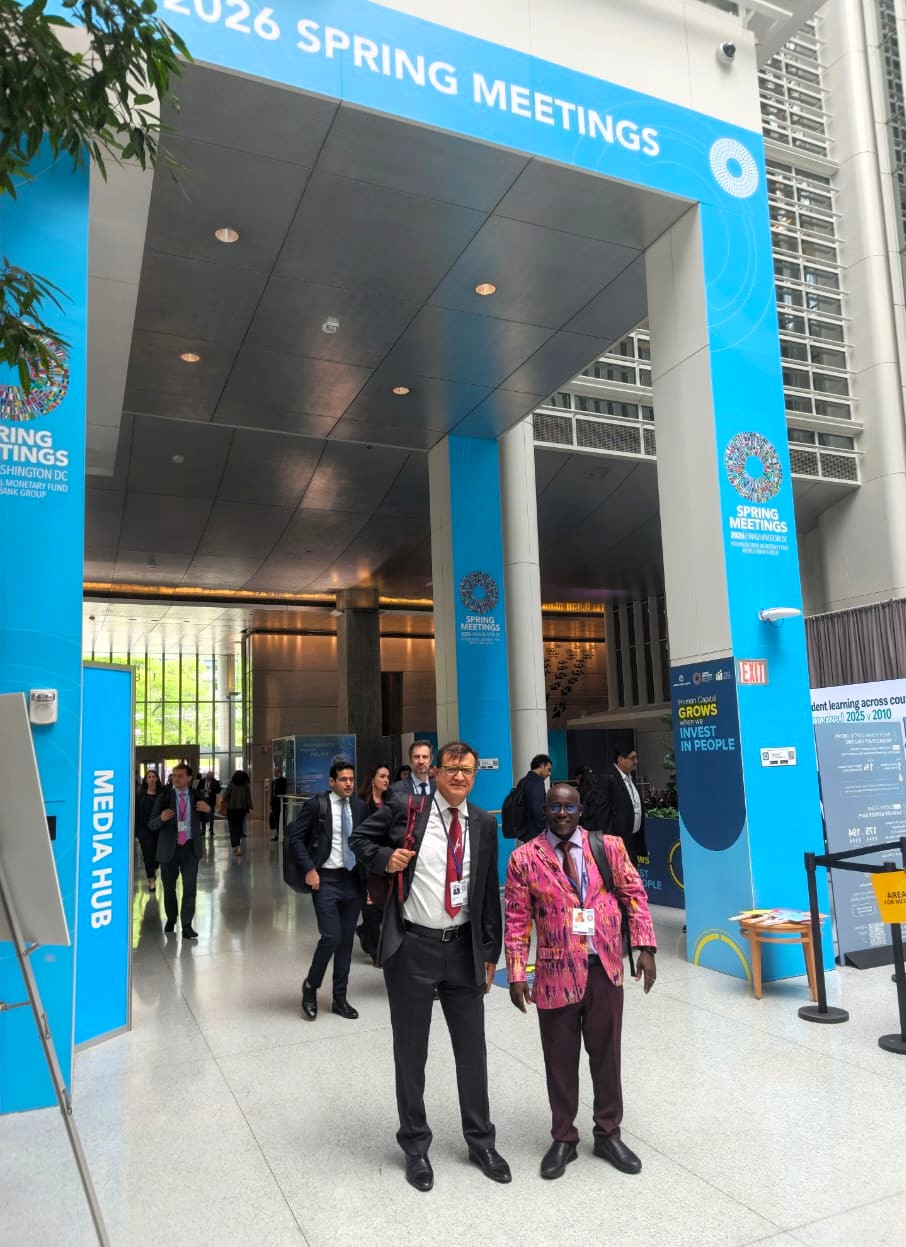
After a week of discussions at the 2026 World Bank Group and International Monetary Fund Spring Meetings, held from April 13 to 18 in Washington, D.C., I left with a renewed sense of urgency and optimism for the future of artisanal and small-scale gold mining (ASGM).
This was the Artisanal Gold Council’s (AGC) first time participating in one of the world’s most important gatherings of finance ministers, development leaders, civil society organizations, and private sector actors. At a time of growing global uncertainty, the meetings highlighted some of the world’s most pressing challenges: poverty, climate change, environmental degradation, inequality, and the growing threat of job displacement brought about by rapid technological advancement.
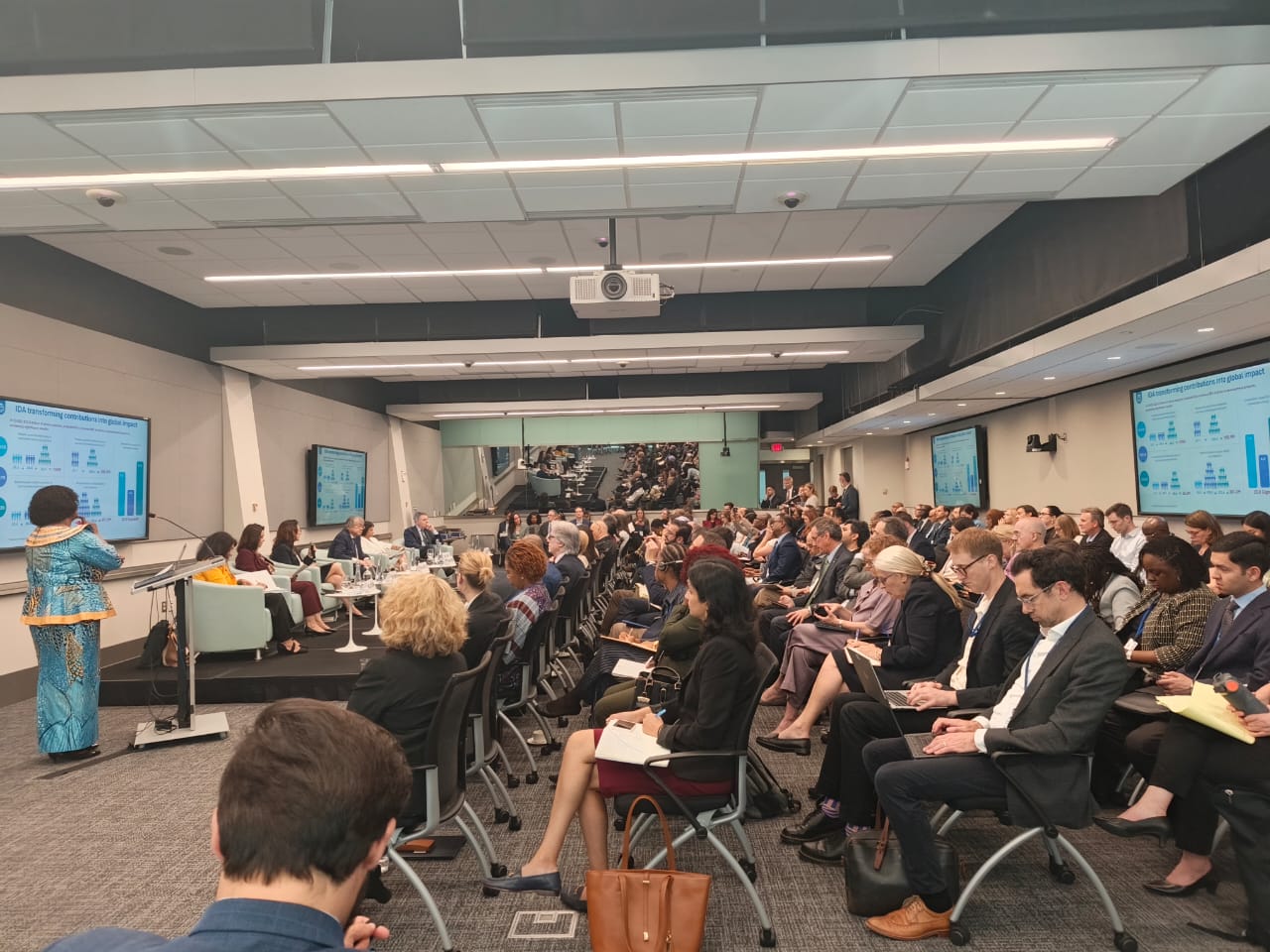
Through sessions organized by the International Development Association (IDA) and other development partners, we gained valuable insights into how governments, financial institutions, and civil society are working together to address these issues. Encouragingly, many discussions focused on concrete actions to strengthen human capital, improve job quality, and create more resilient economies.
For the AGC, one of the most important engagements during the week was a meeting hosted by the Extractives Global Programmatic Support (EGPS) Trust Fund and the World Bank, where participants discussed illicit gold flows and strategies to better support artisanal miners.
This conversation builds on the launch of the Global Coalition for Action on Artisanal and Small-Scale Gold Mining, an initiative led by the World Gold Council, the Intergovernmental Forum on Mining, Minerals, Metals and Sustainable Development (IGF), and the World Bank. The coalition aims to improve environmental, social, and governance performance in the sector while addressing criminal mining activities and illicit gold trade.
Some of these initiatives may sound familiar, and many similar efforts have been attempted over the years with varying degrees of success. Still, the AGCl is encouraged by the growing attention ASGM is receiving from major global institutions and donor governments, including Canada.
It is important not to lose hope when confronting the complexity of ASGM.
While past initiatives may have had limitations, they have also produced valuable lessons that continue to shape better approaches today. There is no single solution, but the progress made over the last two decades should not be overlooked.
When the AGC began advocating for a scientific and evidence-based approach to ASGM nearly twenty years ago, the sector accounted for less than five percent of global gold supply and was largely characterized by traditional mining practices that supported rural communities across the Global South.
Today, three major shifts are reshaping the sector.
First, climate change.
The slow but severe effects of climate change are threatening agricultural livelihoods and food security in many rural communities. As farming becomes less reliable, many families are turning to mining as an alternative source of income.
Second, weakening governance.
In several key mining regions, weakened institutions and declining government oversight have created conditions where informal and illegal mining operations can thrive. These environments often leave miners vulnerable while allowing criminal actors to profit.
Third, youth unemployment.
Many countries in the Global South are facing a growing youth population with limited access to stable jobs. This creates fertile ground for instability, as some young people are drawn into illegal armed groups, insurgencies, or drug trafficking networks, many of which now rely on illicit gold trade to finance their operations. Others attempt dangerous migration routes to North America and Europe in search of opportunity.
Perhaps the most immediate force reshaping the ASGM sector has been the dramatic surge in gold prices, which rose from roughly US$1,200 per ounce in 2010 to US$4,800 per ounce today. These record-high prices have attracted a wave of new entrants into gold mining, intensifying competition and placing greater pressure on already fragile environmental ecosystems. In many countries, this has accelerated the expansion of illegal and informal mining operations.
Yet while illicit gold trade generates enormous profits for criminal networks and opportunistic intermediaries, these gains rarely improve the lives of miners. Instead, miners are often left dealing with higher operational costs, shrinking margins, and increasingly dangerous working conditions.
These realities make one thing clear: ASGM can no longer be treated as a peripheral issue. It sits at the intersection of climate resilience, economic development, governance, migration, and global supply chains.
At the AGC, we welcome the growing leadership shown by the World Gold Council, IGF, and the World Bank in advancing solutions for the sector. We are proud to support these efforts and bring nearly two decades of experience working directly with mining communities around the world.
Responsible gold mining begins with local miners. By investing in safer practices, stronger governance systems, and sustainable livelihoods, we can build a gold sector that benefits communities while advancing equity, environmental responsibility, and long-term economic stability.
The conversations in Washington made one thing clear:
The world is beginning to pay closer attention to ASGM. The challenge now is turning that attention into meaningful action.

.jpeg)
.jpeg)
.jpeg)
.jpeg)


Related Posts


