Mali’s artisanal gold sector: between legacy, livelihood, and opportunity: Reflections from the 2026 Golden Days Conference in Mali
.jpg)
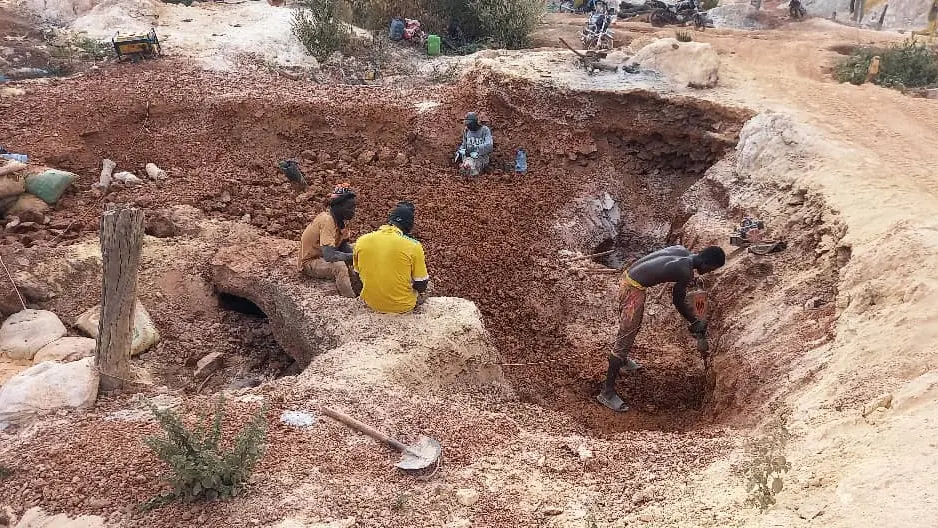
When one thinks of gold and Mali, it is almost impossible not to recall the legacy of Mansa Musa, whose immense wealth and influence became part of world history. Yet behind that legend lies a more grounded and enduring reality: a nation whose relationship with gold has always been shaped not only by kings and empires, but by the hands of ordinary miners.
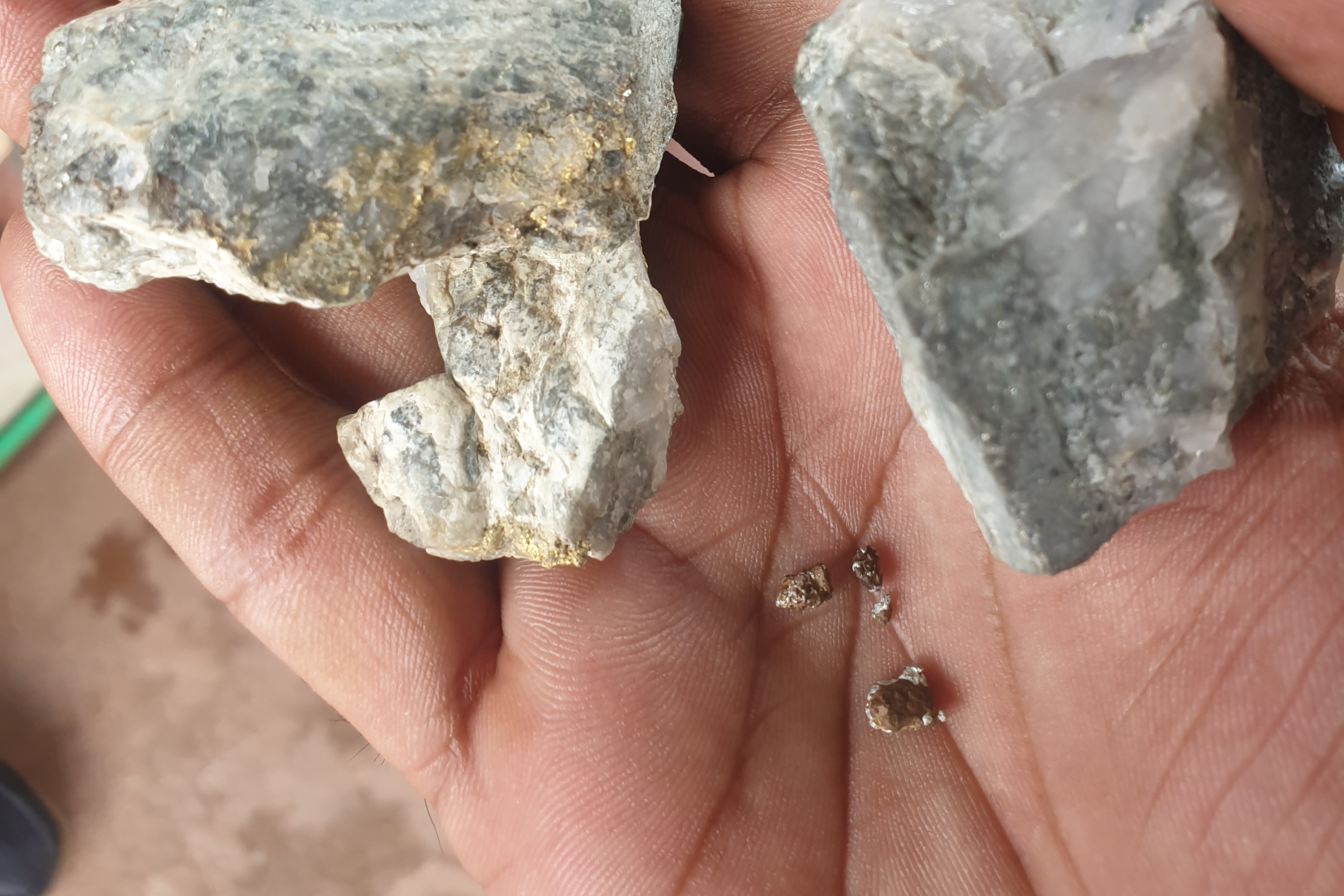
During Mansa Musa’s reign, much of Mali’s famed prosperity was built on gold extracted with rudimentary tools and techniques, methods that in many parts of the Sahel remain strikingly familiar today. In this sense, Mali’s gold story has never truly been only about wealth. It is also a story of continuity, of artisanal gold mining, and of the millions of courageous orpailleurs who, for generations, have worked tirelessly in search of a metal that continues to shape the country’s economy, culture, and identity.
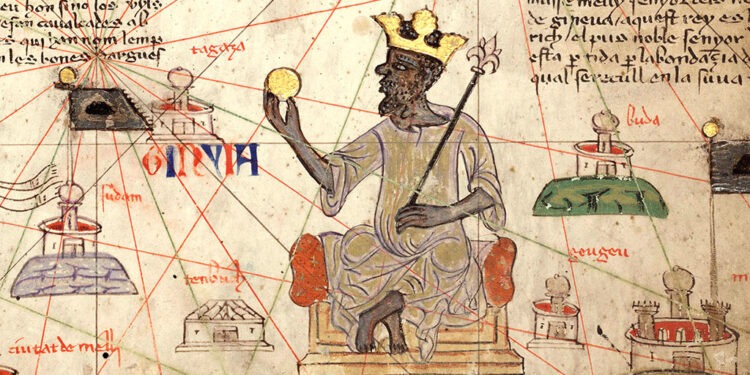
Today, artisanal and small-scale gold mining (ASGM) remains deeply embedded in Mali’s economic life, despite its high level of informality. Official estimates place annual production at around 6 to 7 tonnes of gold, though many observers believe the real figure is significantly higher. Alongside this, informal and undeclared flows continue to represent substantial lost public revenue. But even these figures do not fully capture the sector’s real weight. ASGM is, above all, a livelihood system, directly or indirectly supporting more than one million Malians.
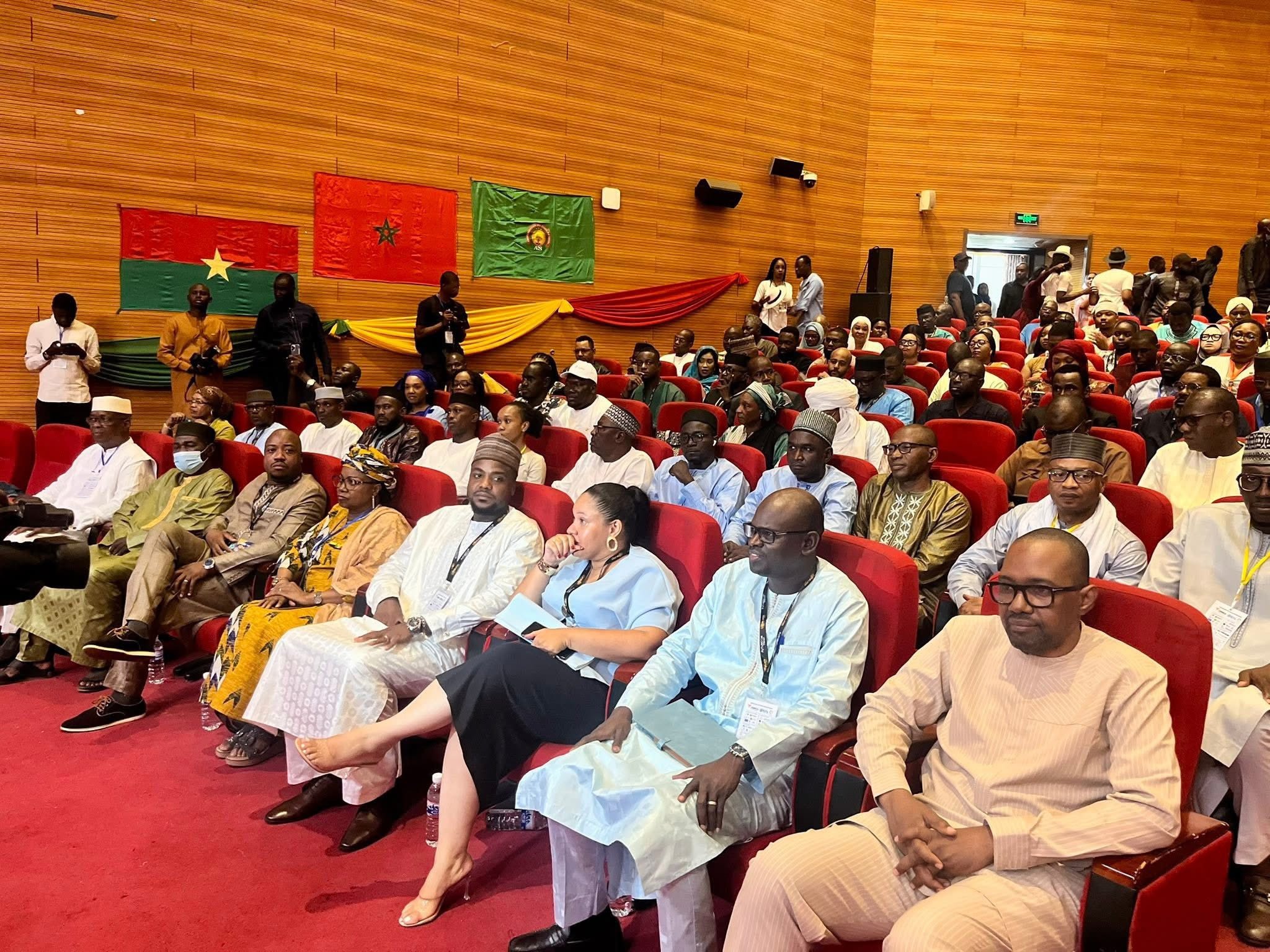
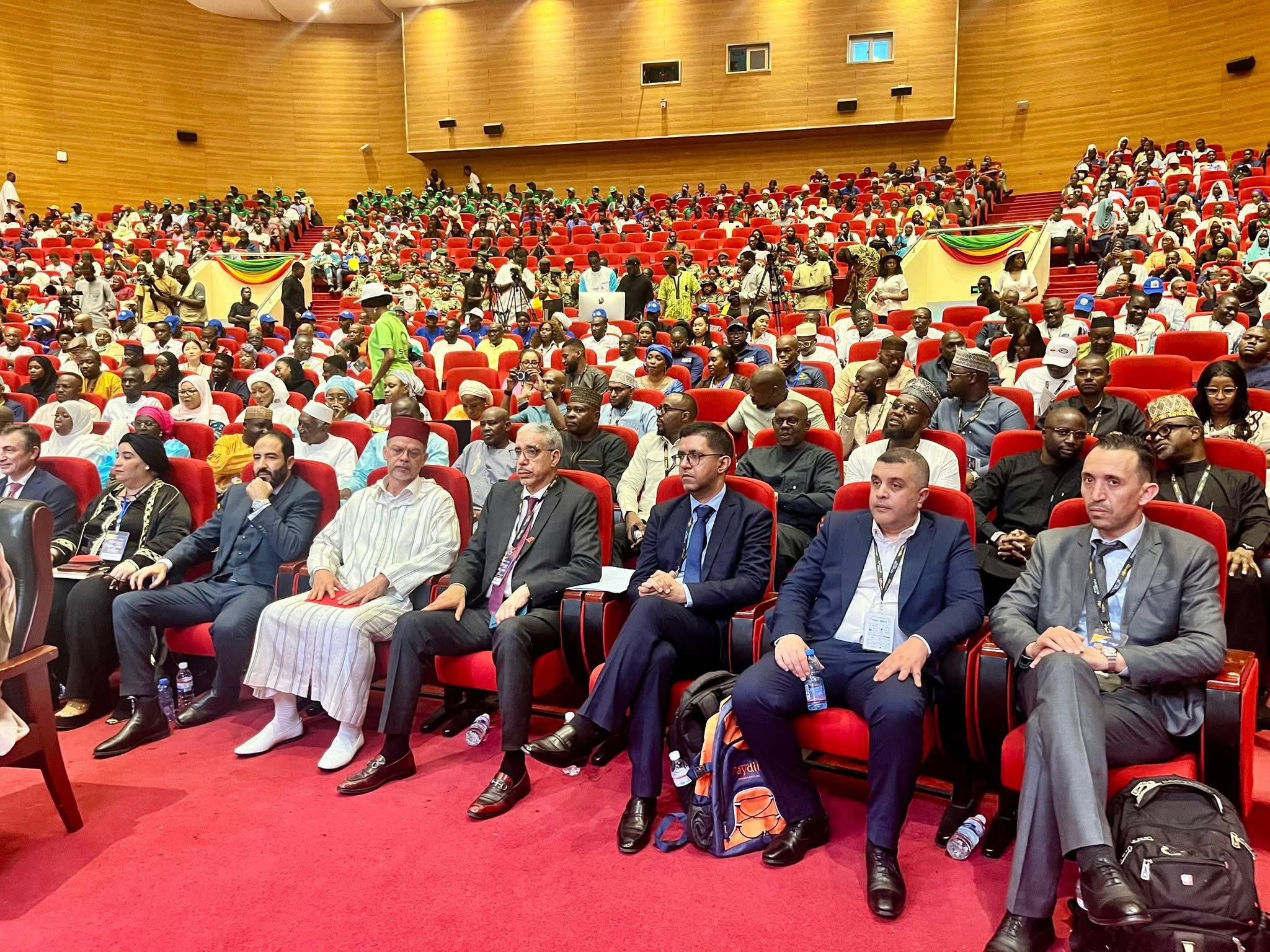
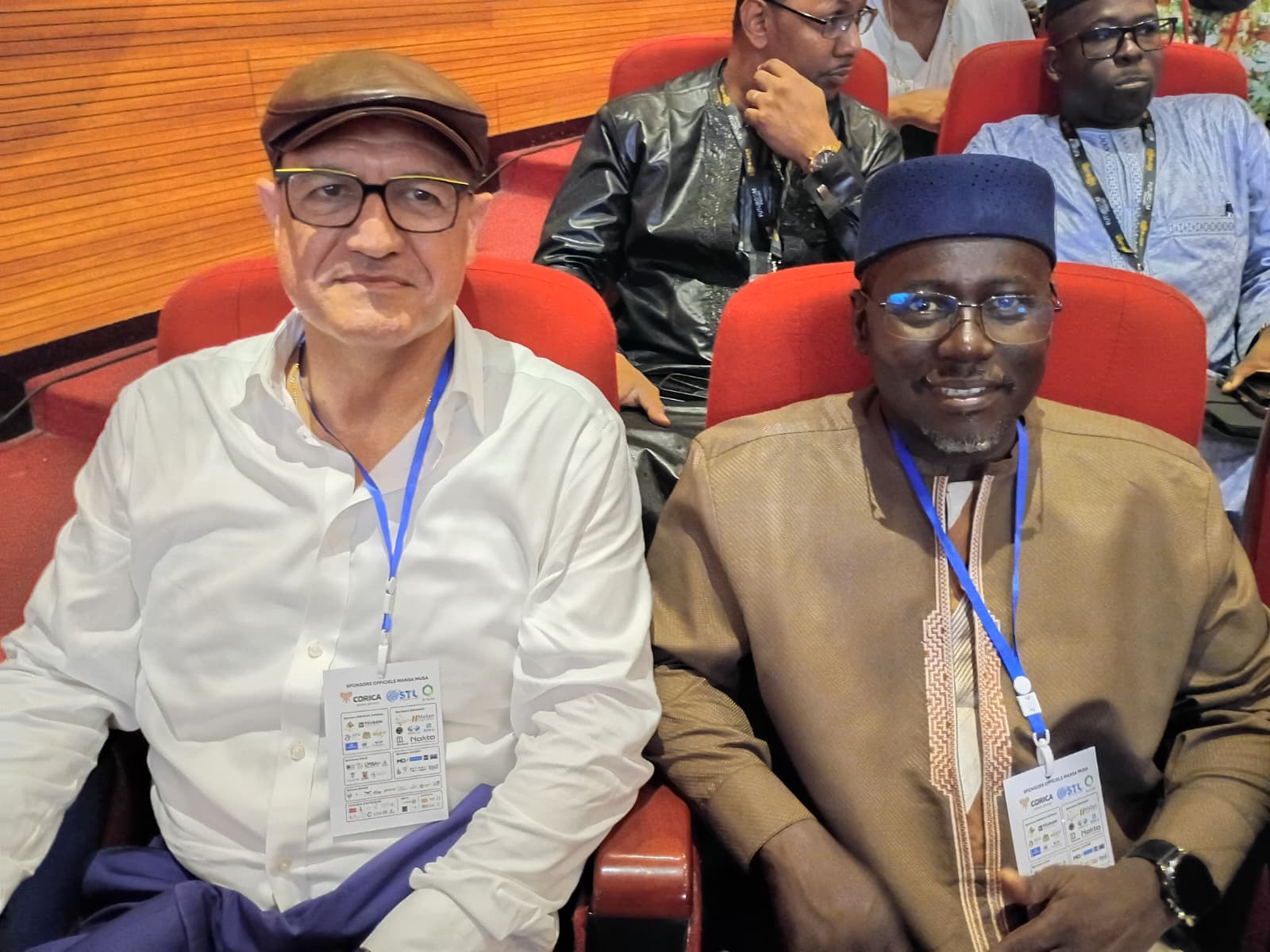
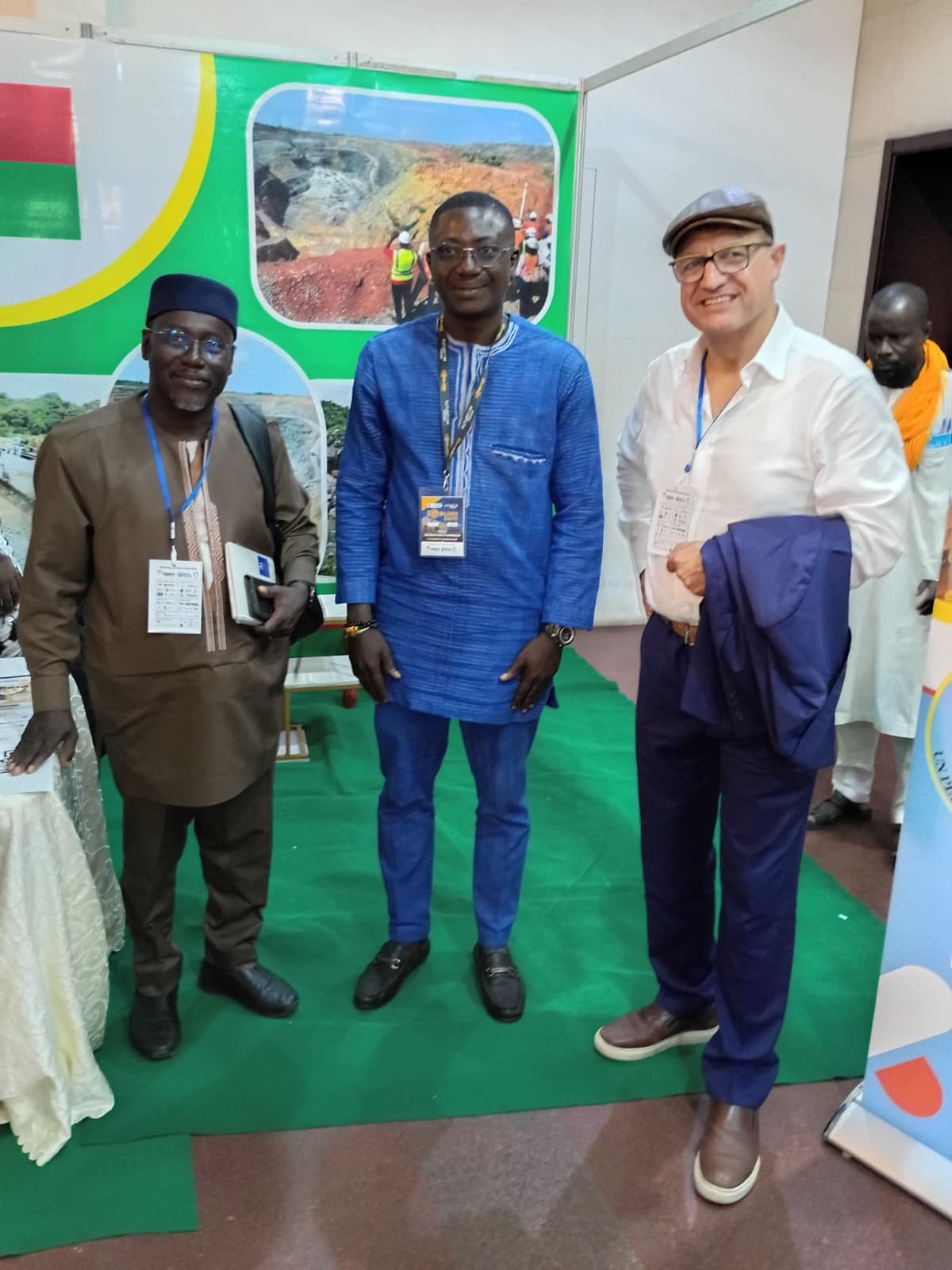
In that sense, Mali is not a peripheral actor in the global ASGM landscape; it is central to it. It was against this backdrop that I returned to Bamako to attend the 2026 Golden Days, held from May 7 to 9 at the Bamako International Conference Center (CICB). The forum brought together government officials, investors, and development partners to grapple with the country’s mining and energy future and the difficult questions that come with it.
The visit came at a time when international headlines and travel advisories painted a cautious picture of the country. Yet, following coordination with our regional team in Dakar, I proceeded with AGC’s Regional Manager for the Sahel, Mr. Saidou Kabré.
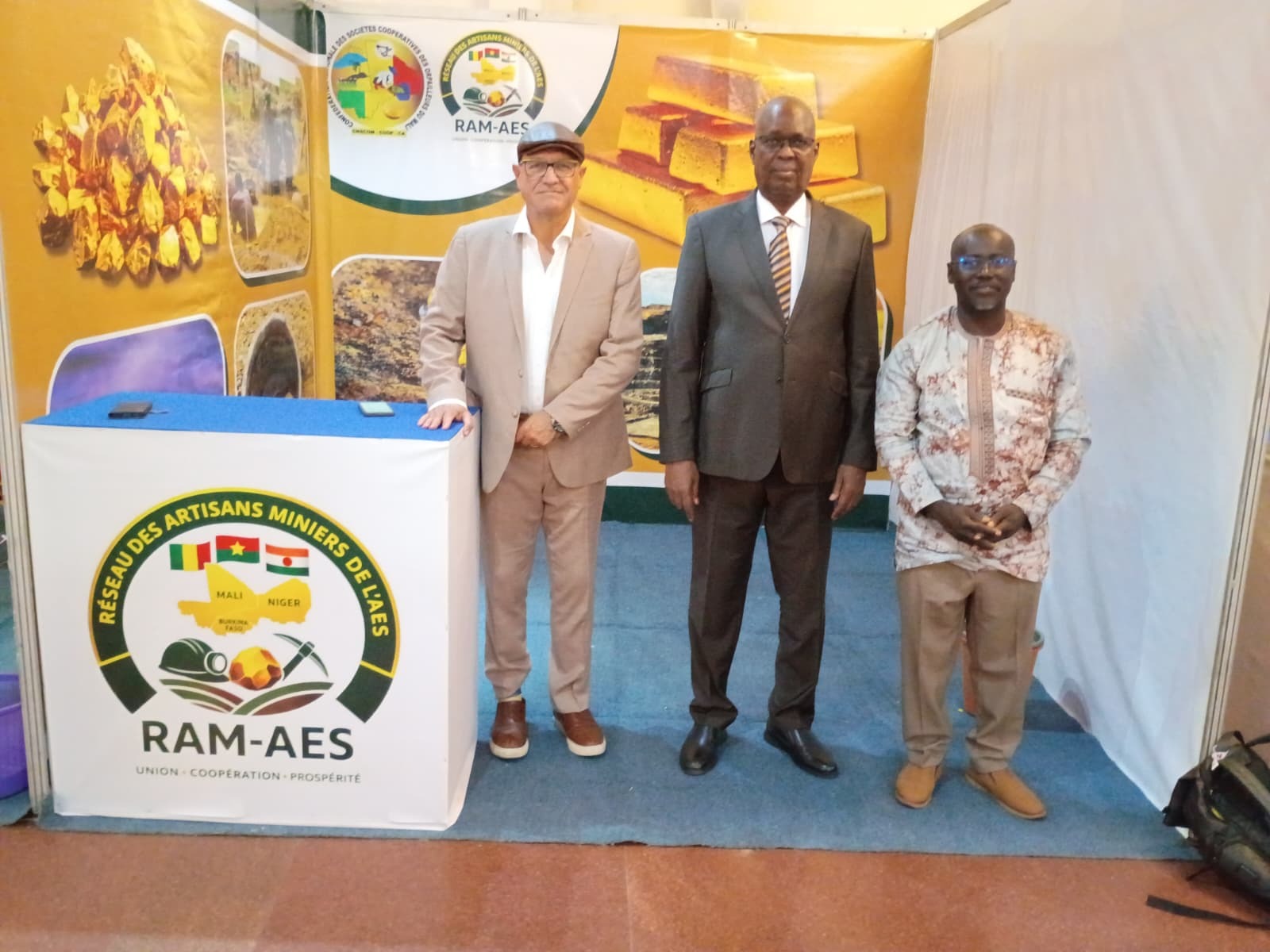
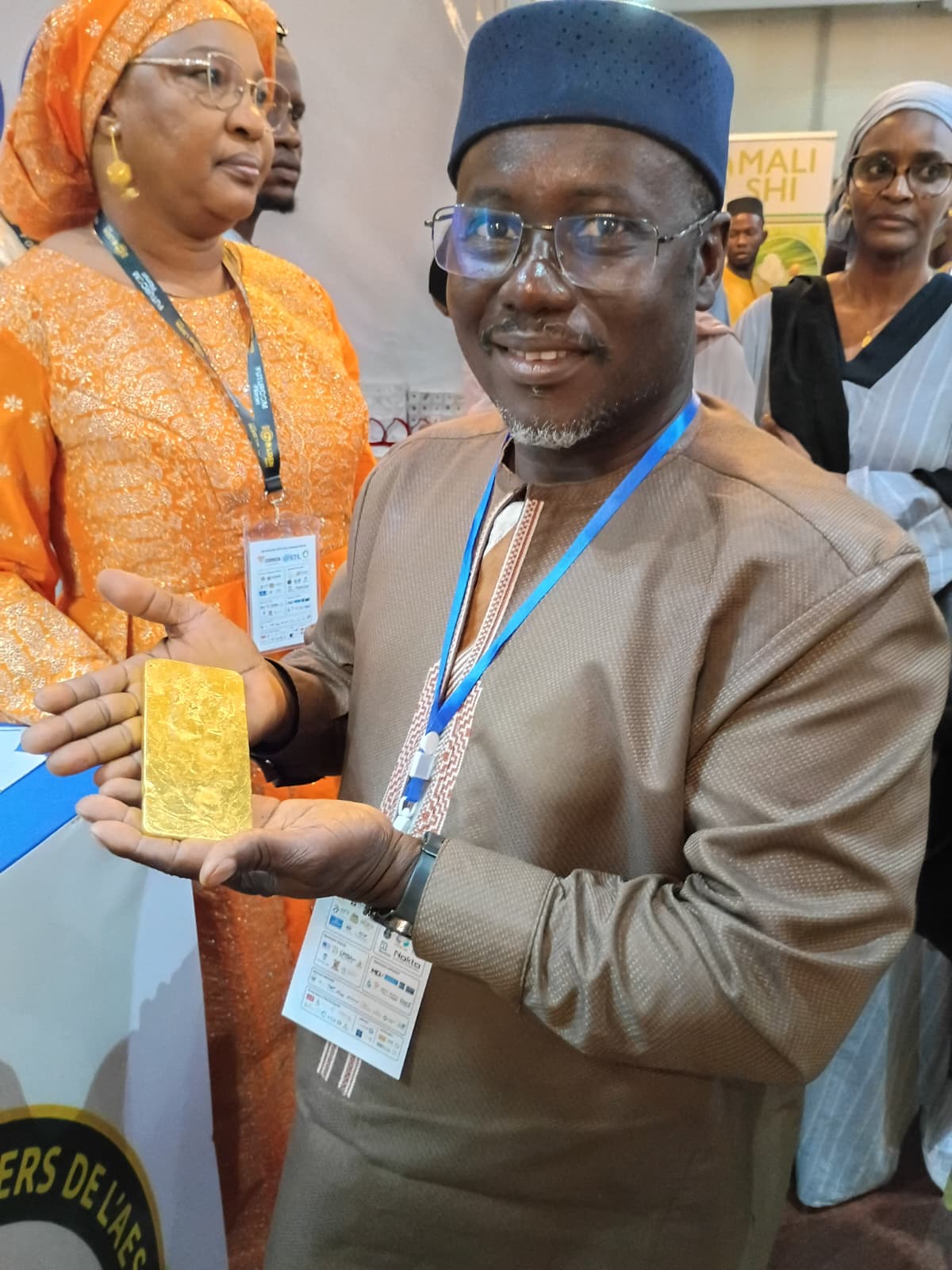
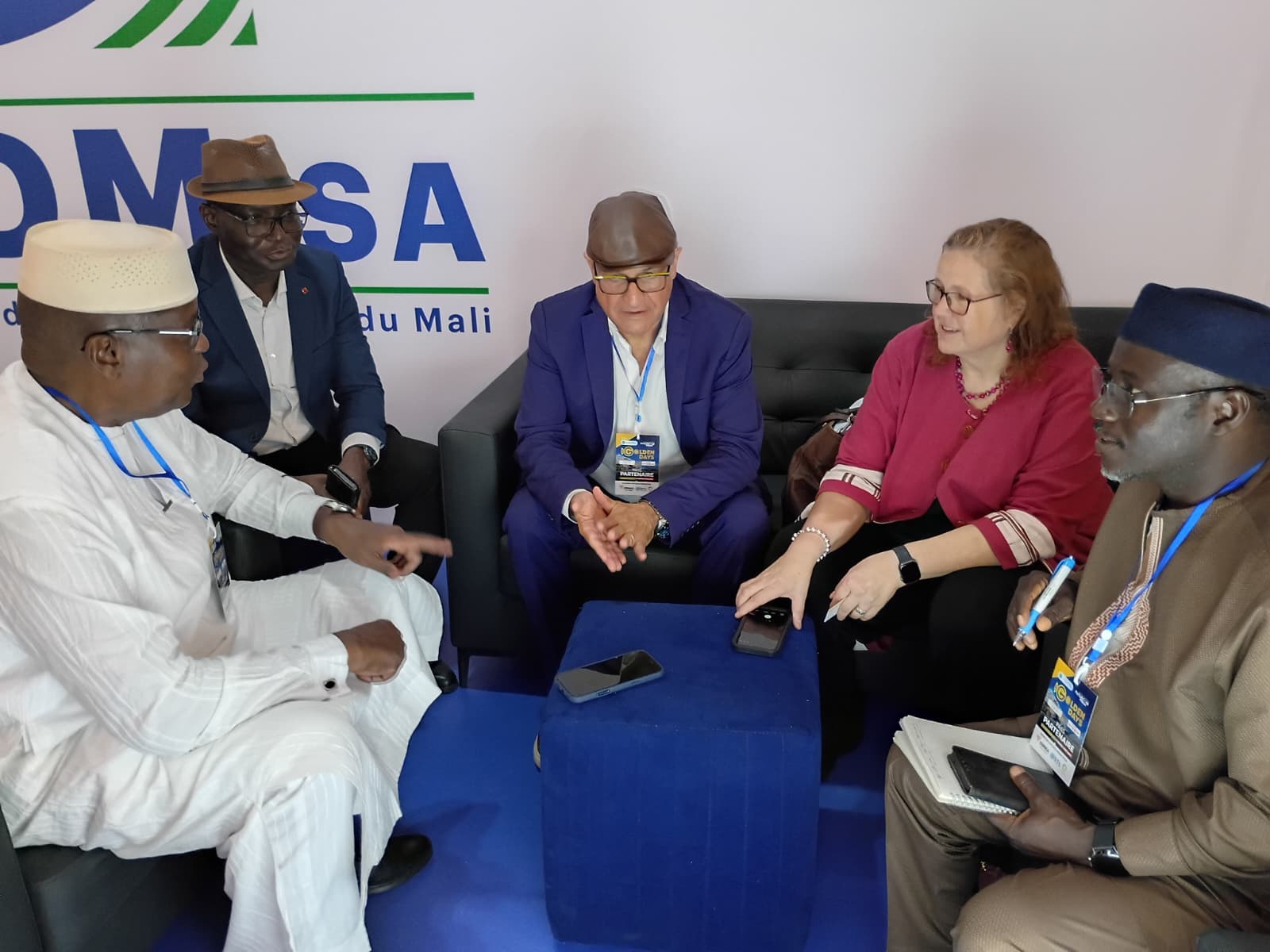
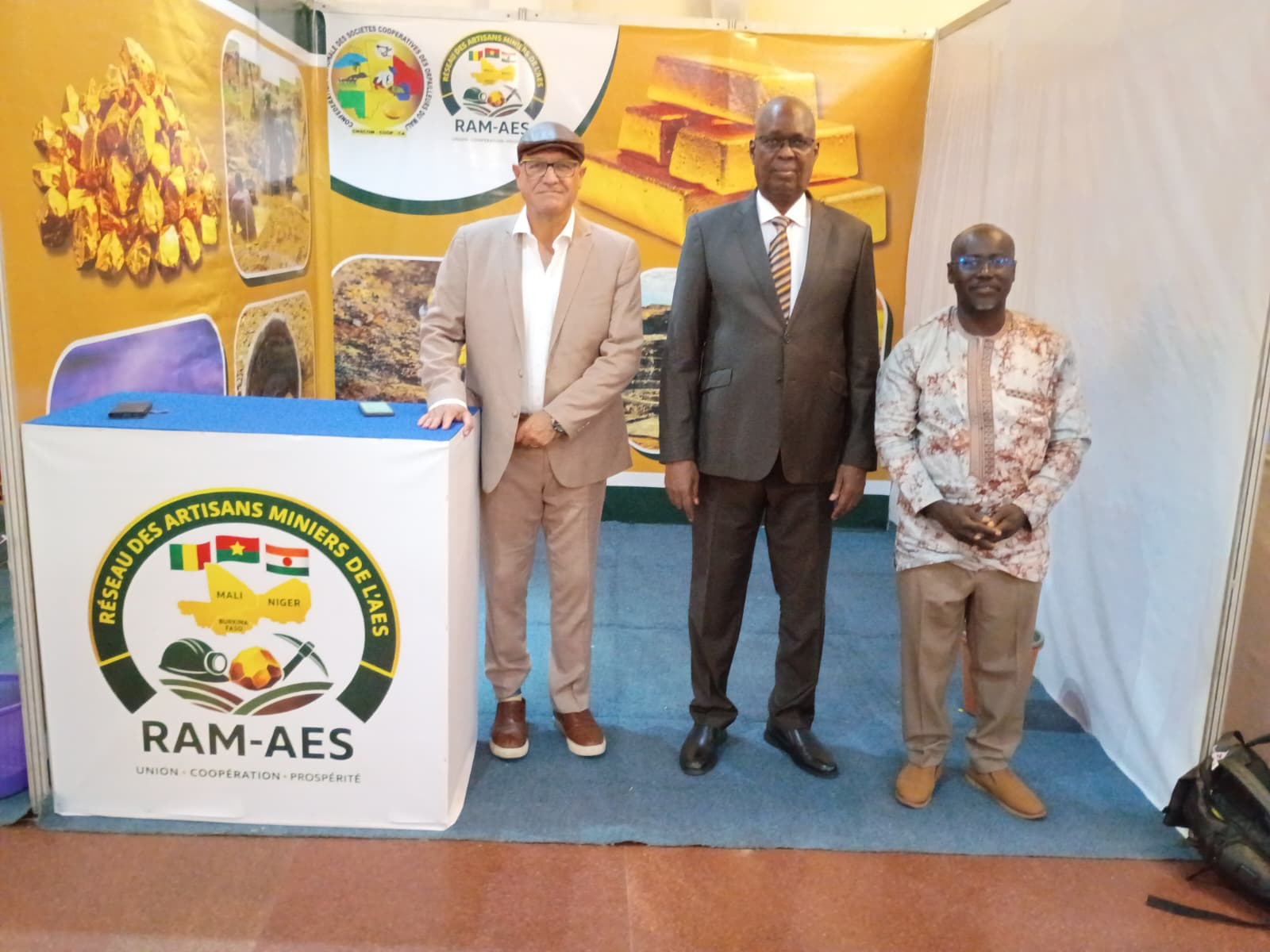
What followed was a brief but deeply substantive mission. Discussions with officials from the Ministry of Mines, particularly those involved in the implementation of the planetGOLD programme, reflected both the complexity of reform and the persistence of those working to move it forward. Equally important were exchanges with representatives of the Association of Artisanal Gold Miners of Mali, where conversations are now opening up around practical areas of collaboration.
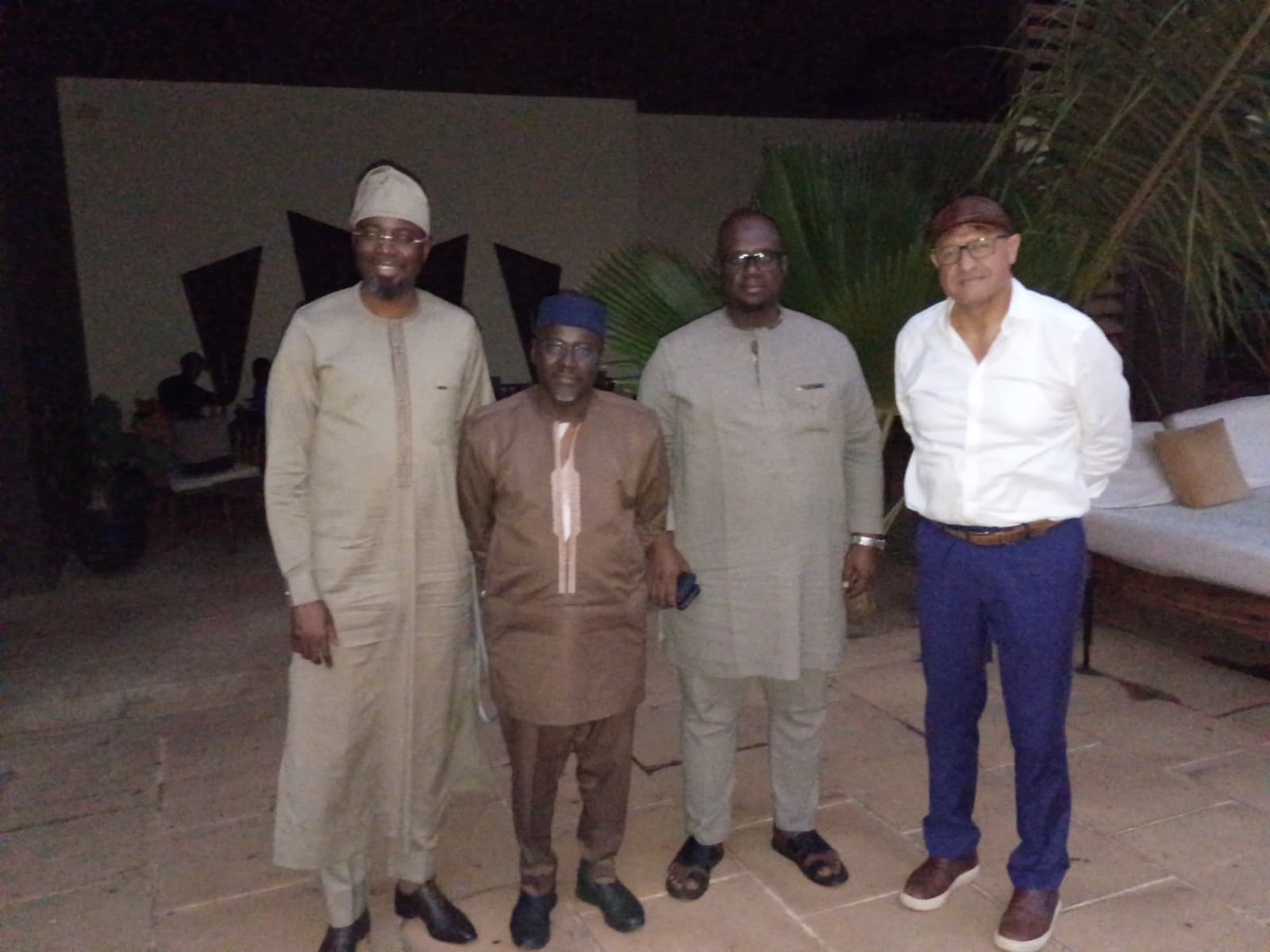
A particularly promising thread emerged in discussions with regional financial institutions. Building on AGC’s work on responsible and formalized access to finance for ASGM communities, there is growing recognition that artisanal miners cannot remain confined to the margins of financial systems. They are, in reality, entrepreneurs, operating in difficult environments but nonetheless driving local economies that are too often overlooked.
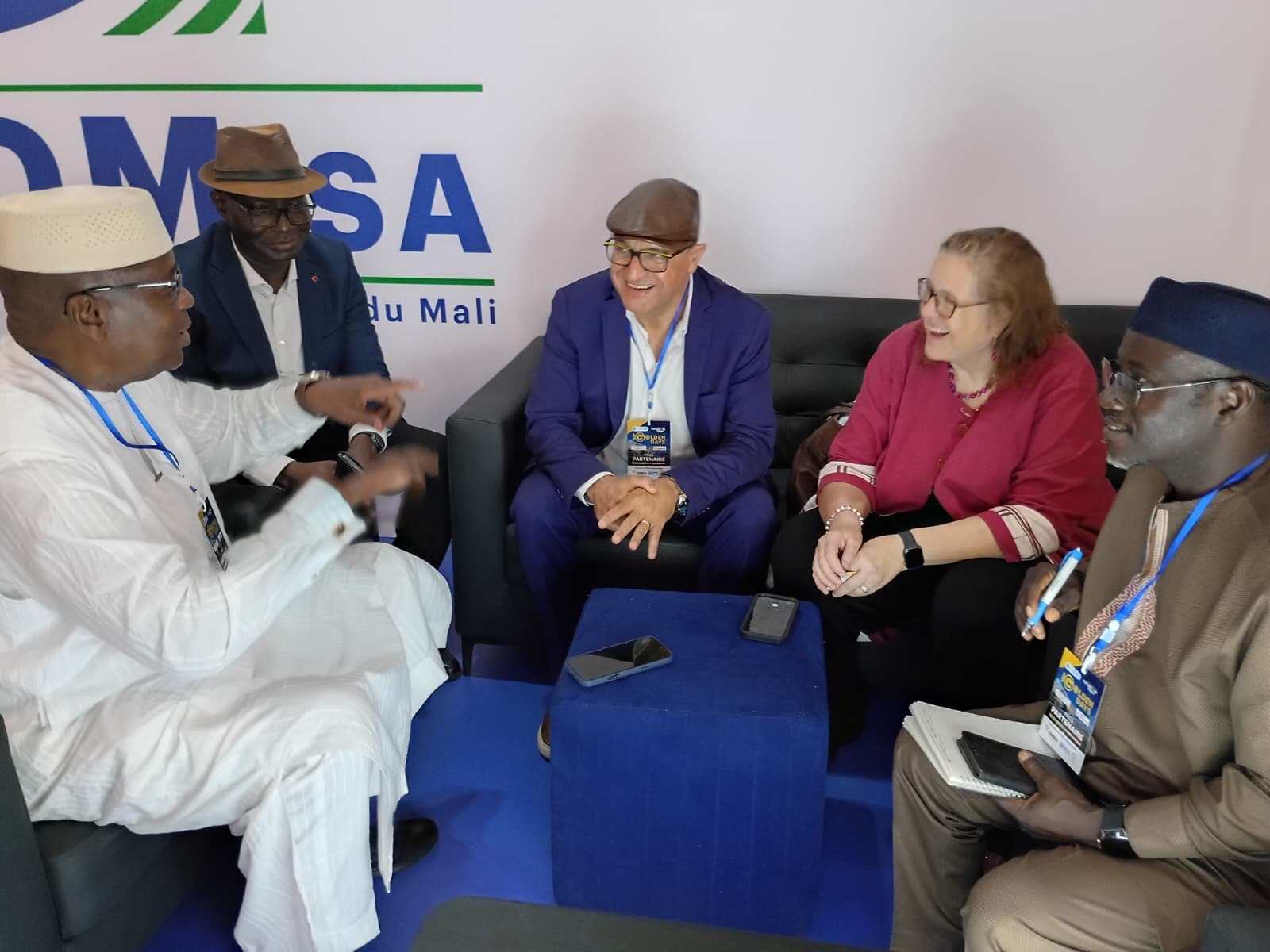
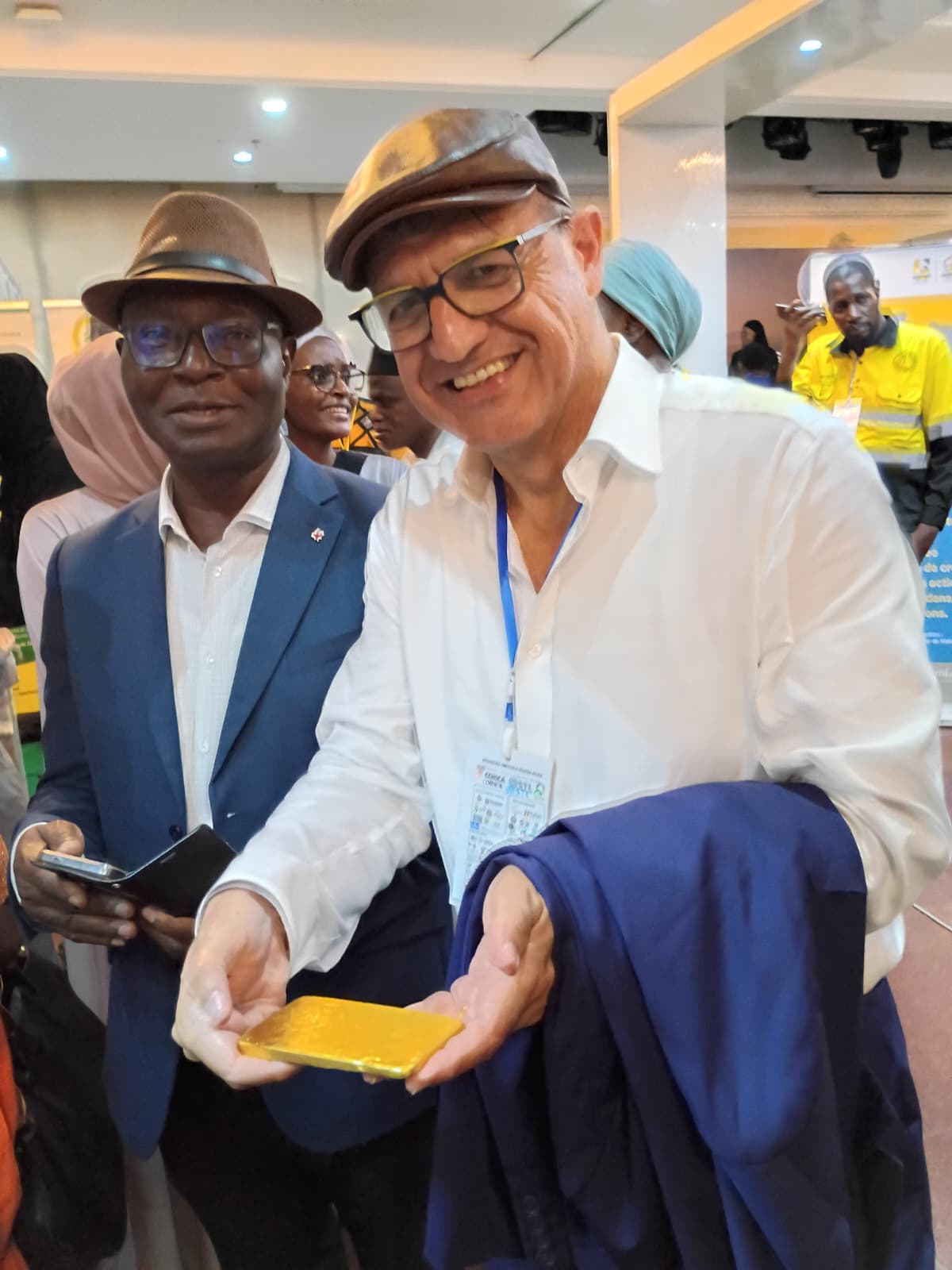
These conversations were complemented by an exchange with the Embassy of Canada in Mali, which continues to express support for initiatives advancing responsible mining in the region. Engagements with Canadian mining companies operating in Mali further underscored an important, if delicate, possibility: that industrial mining and artisanal mining need not exist only in tension, but can, in carefully defined spaces, identify areas of shared value and coexistence.
Despite the many challenges facing the artisanal gold mining sector, I leave Mali with a profound sense of optimism. These challenges are real and complex, but so too is the sector’s extraordinary potential. Across every conversation and meeting, there was a consistent recognition that progress is possible, but only if it is built on dialogue, partnership, and mutual respect.
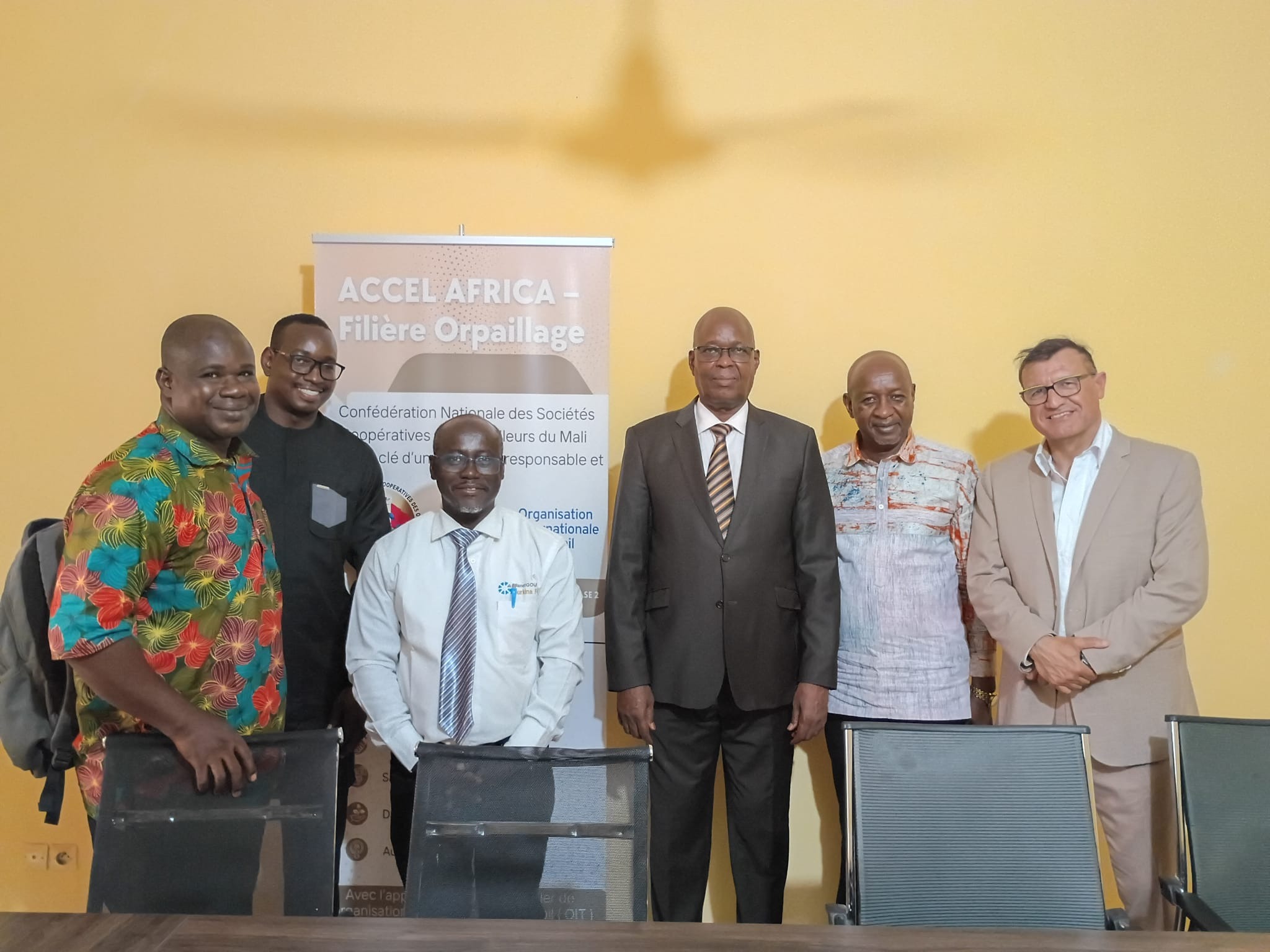
With responsible policies, sustained commitment, and stronger collaboration between governments, communities, financial institutions, and industry, Mali has an opportunity to further transform artisanal mining into a more inclusive engine of economic opportunity, dignity, and local development for the millions who depend on it, often under extremely difficult conditions.
For AGC, this visit was also a reminder of something more fundamental: that this work is not only about systems and policies, but about people. It is about strengthening livelihoods, supporting safer practices, and ensuring that the value of gold is more fairly shared with those whose labour brings it into being.
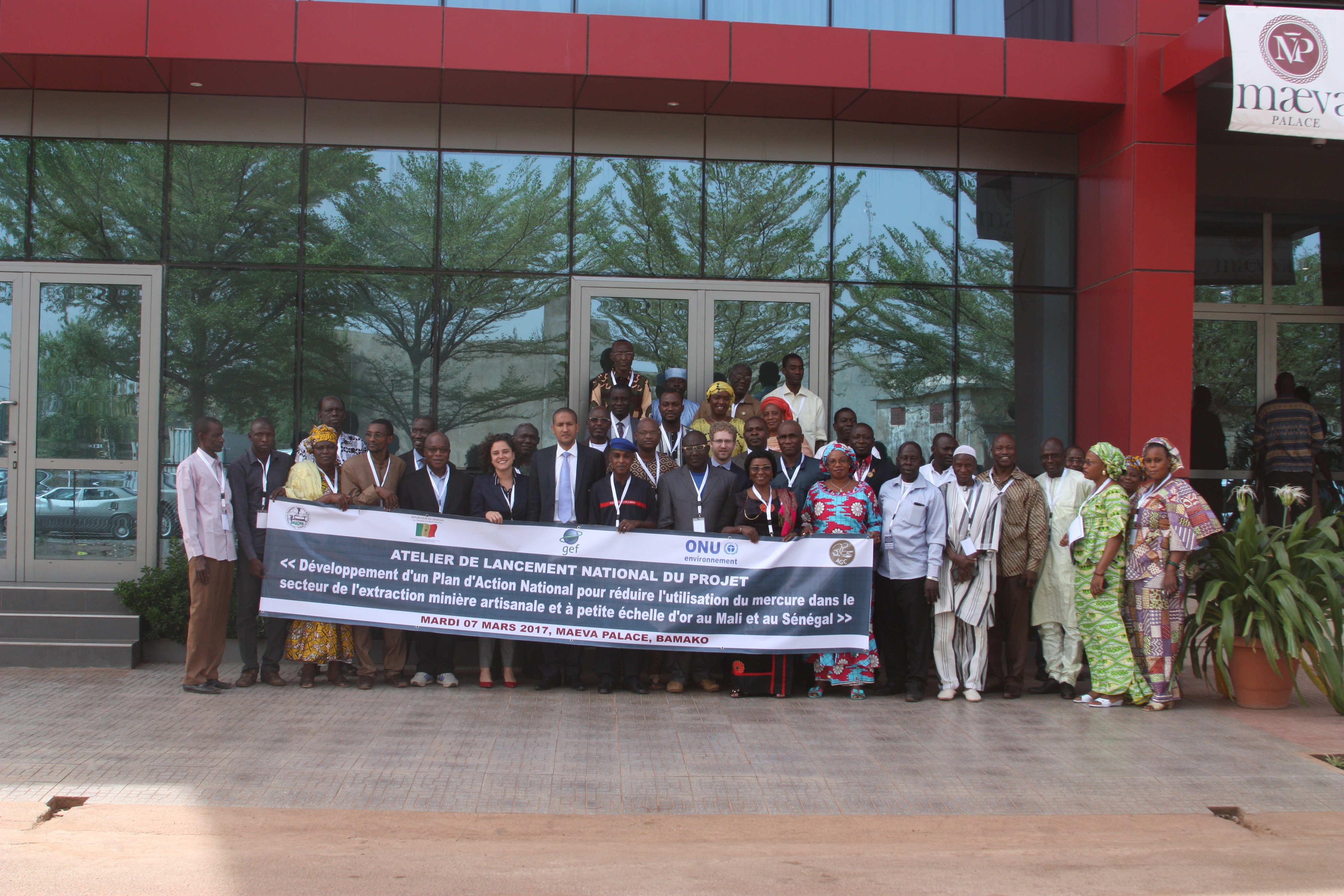
Centuries after Mansa Musa, gold continues to define Mali’s place in the world. But its true story is not only written in the legacy of the empire. It is written every day by artisanal miners across the Sahel, in resilience, in labour, and in quiet determination. If Mali’s past prosperity was built in part by their hands, then the present challenge is clear: to ensure that the future of gold finally reflects their place within it. ###