
Roadmap to Responsible Gold Project Concludes in Guyana
.png)

Georgetown, Guyana – February 3, 2026 — The Artisanal Gold Council (AGC), in partnership with the United States Department of State and the Government of Guyana, formally concluded the Roadmap to Responsible Gold Project (RTRGP) during a closure ceremony held in Georgetown.
Over two years of implementation, the project supported Guyana's efforts to advance safer, mercury-free, and more responsible artisanal and small-scale gold mining (ASGM). Working closely with mining communities, government agencies, and technical institutions across key mining regions, the initiative focused on practical solutions applicable in the field.
Advancing Mercury-Free Mining in the Field

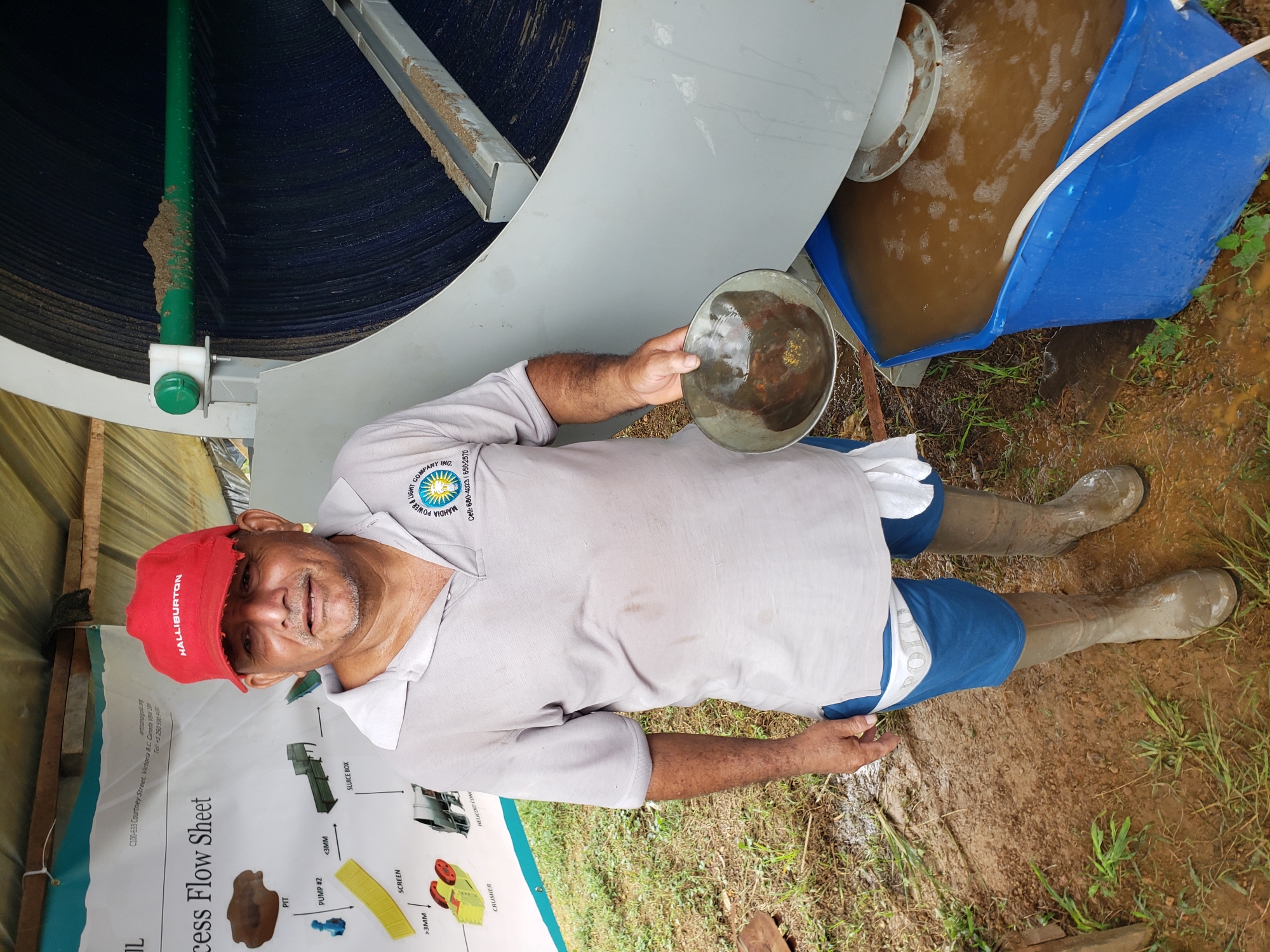
A central focus of the project was the introduction and demonstration of mercury-free gold processing technologies, particularly gravity-based mineral recovery systems suited to Guyana's ASGM context.
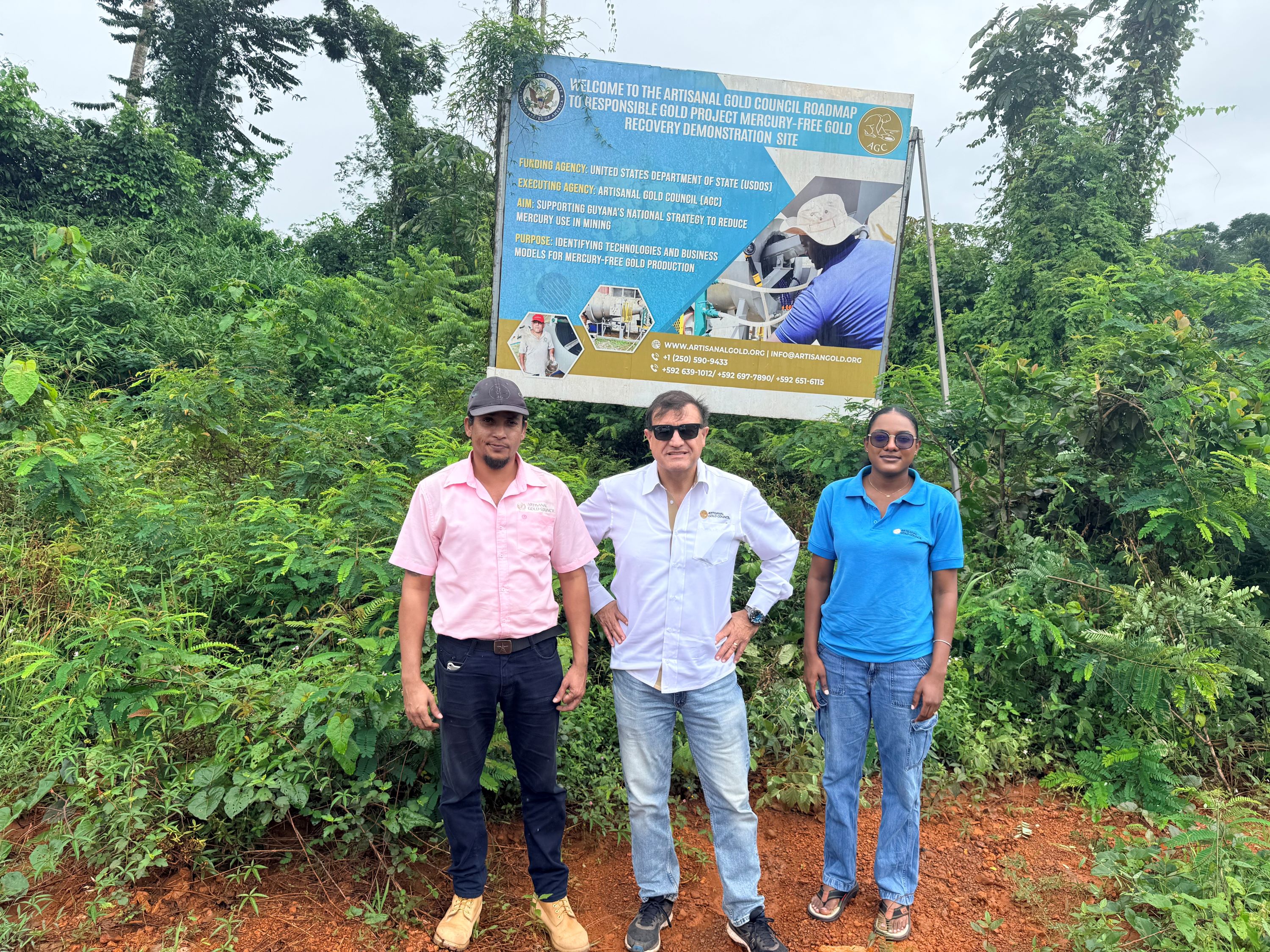
Key field demonstrations were successfully carried out at Tiger Creek and Campbelltown Village in Mahdia, Region 8. These pilots illustrated how improved processing methods can reduce reliance on mercury while maintaining recovery efficiency when supported by appropriate training and equipment.
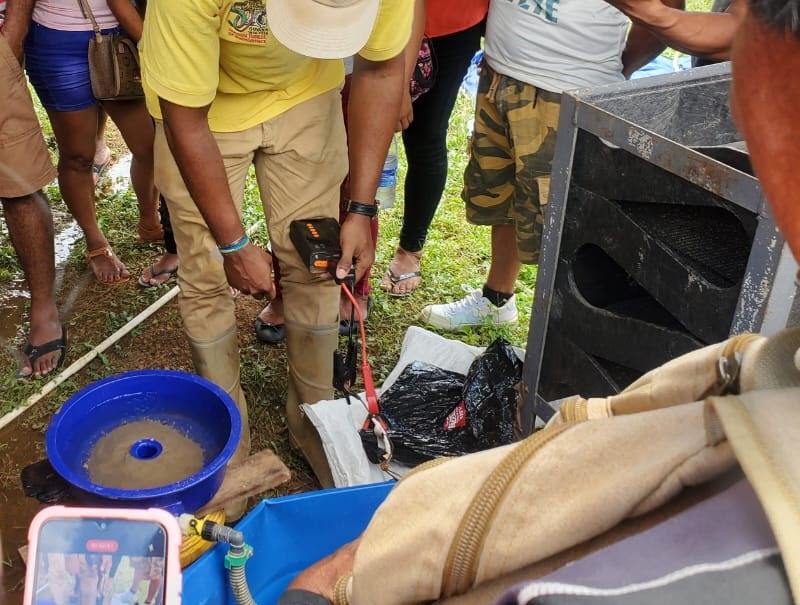
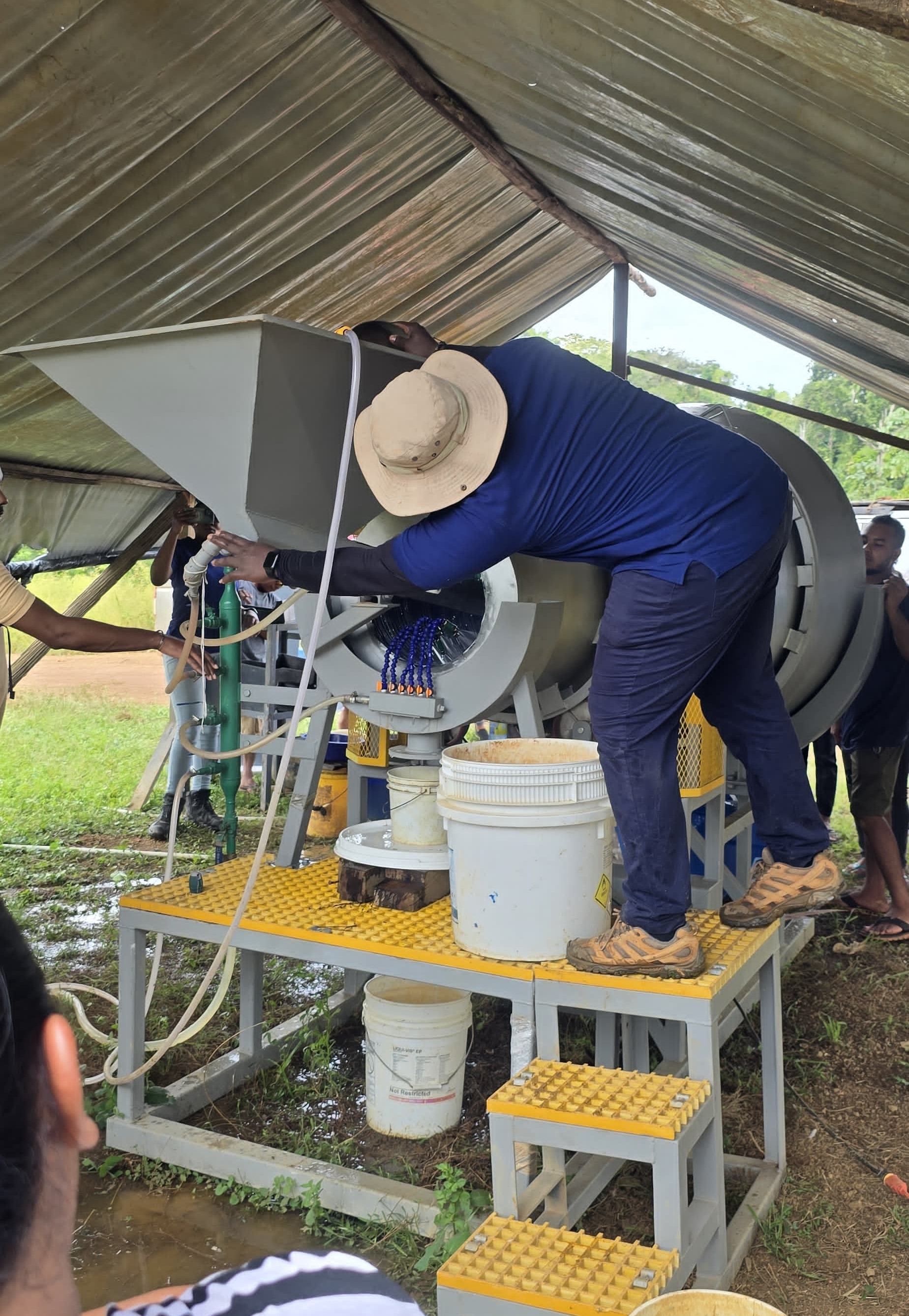
In Tiger Creek, Mahdia (Region 8), the project reached a key milestone with the installation and field demonstration of the Helicoid Concentrator, a mercury-free gold recovery system deployed under the Roadmap to Responsible Gold initiative.
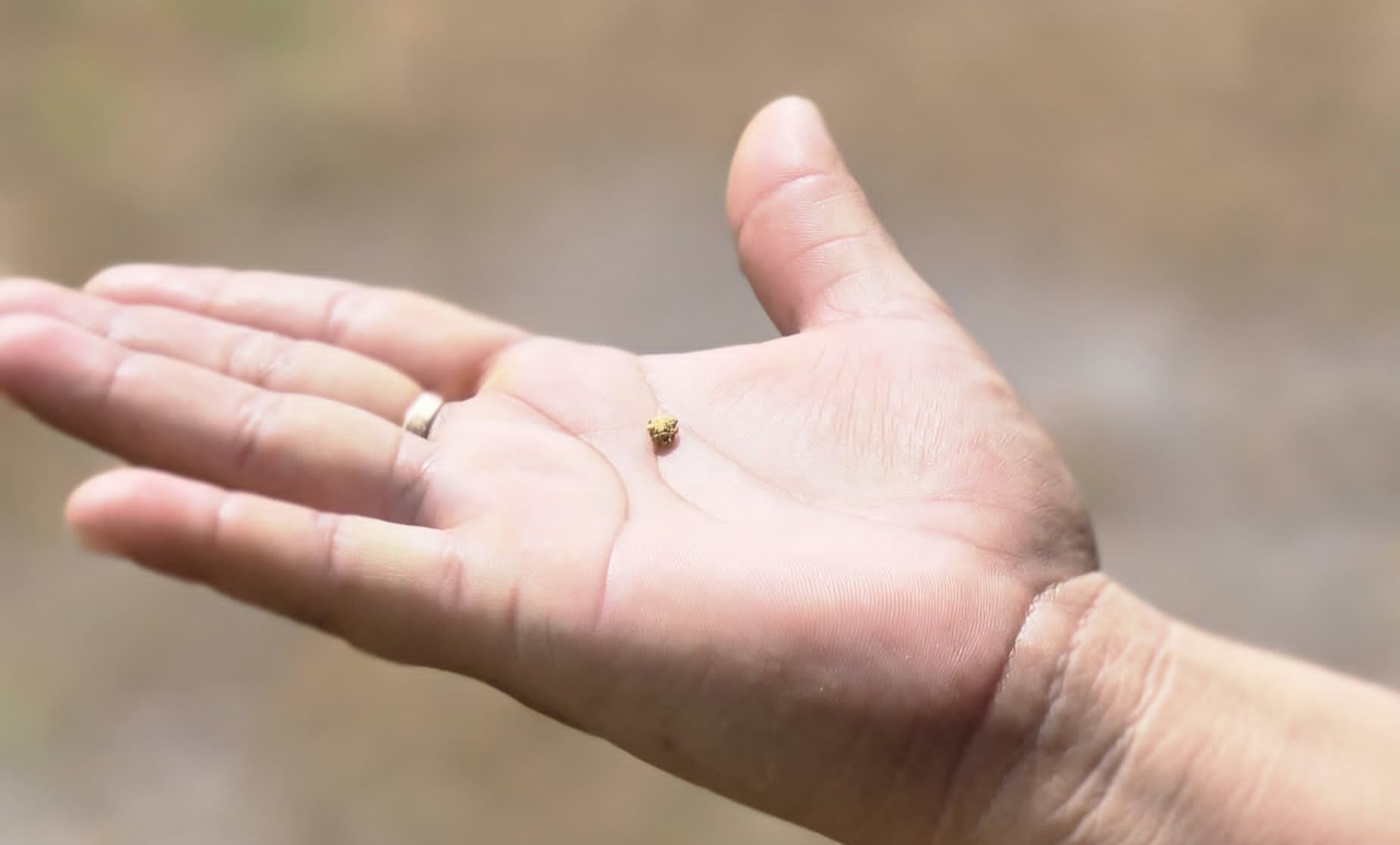
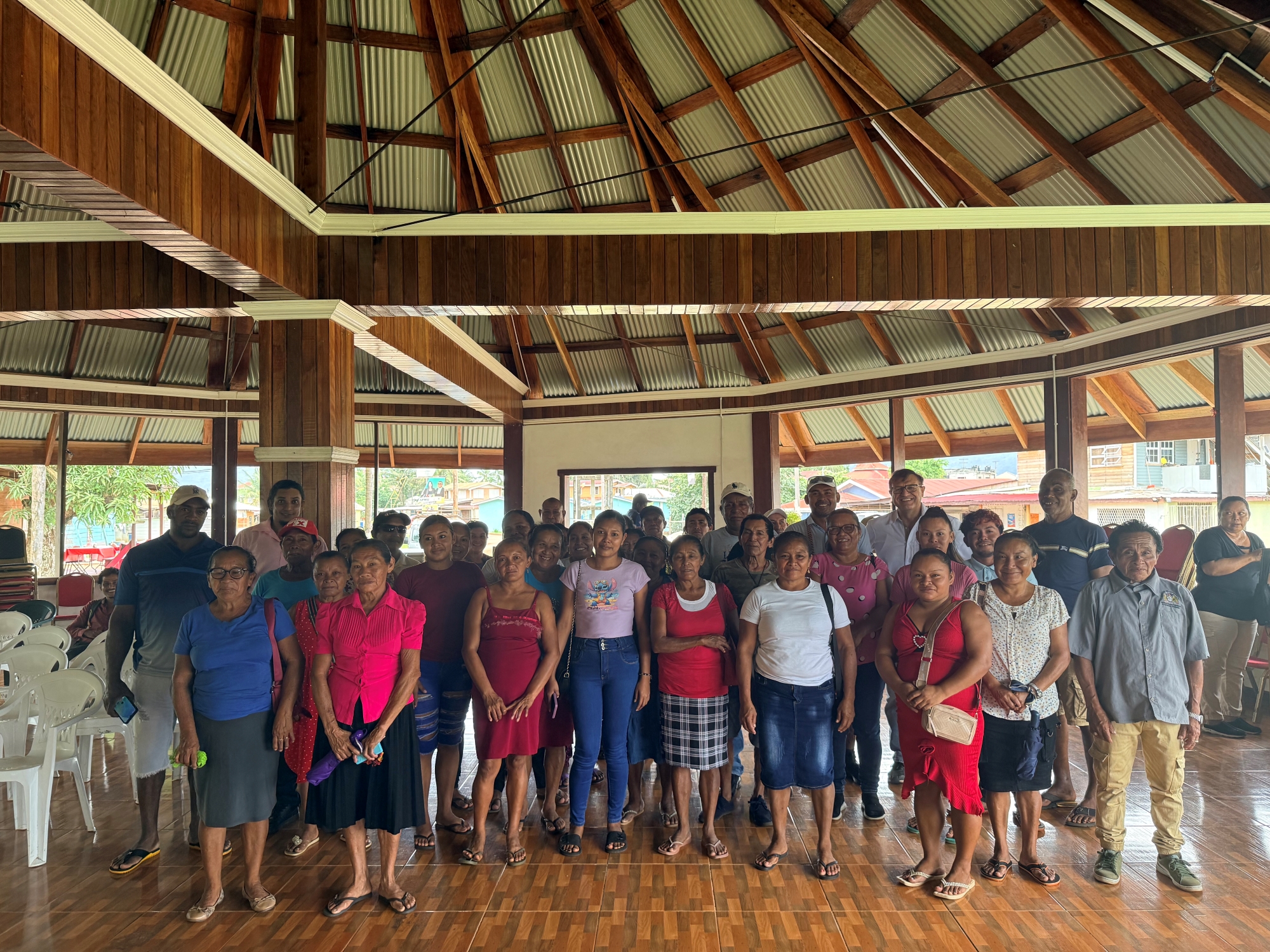
Beyond installation, the project focused on direct community integration. Miners from Tiger Creek were trained hands-on in operating, maintaining, and managing the system, ensuring they could independently run the technology beyond the project timeline.
A live demonstration with stakeholders from Guyana and Suriname’s natural resources sector further validated the system’s performance and created space for regional knowledge exchange on mercury-free processing.
Across Tiger Creek and Campbelltown Village, similar field activities reinforced the same approach testing, demonstrating, and building miner capacity to support practical adoption of cleaner gold recovery methods.
Strengthening Local Capacity and Partnerships

Beyond technology, the project invested heavily in hands-on training and capacity building for miners and local stakeholders. These activities were delivered in collaboration with the Guyana Geology and Mines Commission Mineral Processing Unit and the Guyana Mining School and Training Centre Inc.
The goal was to strengthen local technical knowledge and ensure that mercury-free approaches are not only demonstrated but also understood, maintained, and adapted by the mining communities themselves.
Evidence, Research, and Sector Insights

During the closing ceremony, Professor Thomas B. Singh presented findings from his research paper, "The Economics of Artisanal Gold Mining in Guyana." The study highlighted the sector's significant economic importance while also pointing to ongoing structural challenges that continue to affect miners and governance systems.
AGC's Guyana team shared operational insights and results from community engagement activities conducted throughout the project period.
Speaking at the event, Vasquez Ramdas, National Project Coordinator for AGC Guyana, emphasized the role of miners in shaping the project's direction.

"This project was built with miners, not for them," Ramdas said. "Over the past two years, we worked side by side with mining communities across Guyana to demonstrate that mercury-free gold production is possible when the right support systems are in place. What remains after this project is not just equipment, but skills, trust, and partnerships that can continue to advance the sector."
AGC Executive Director René Roger Tissot also underscored the importance of placing people at the center of responsible mining efforts.
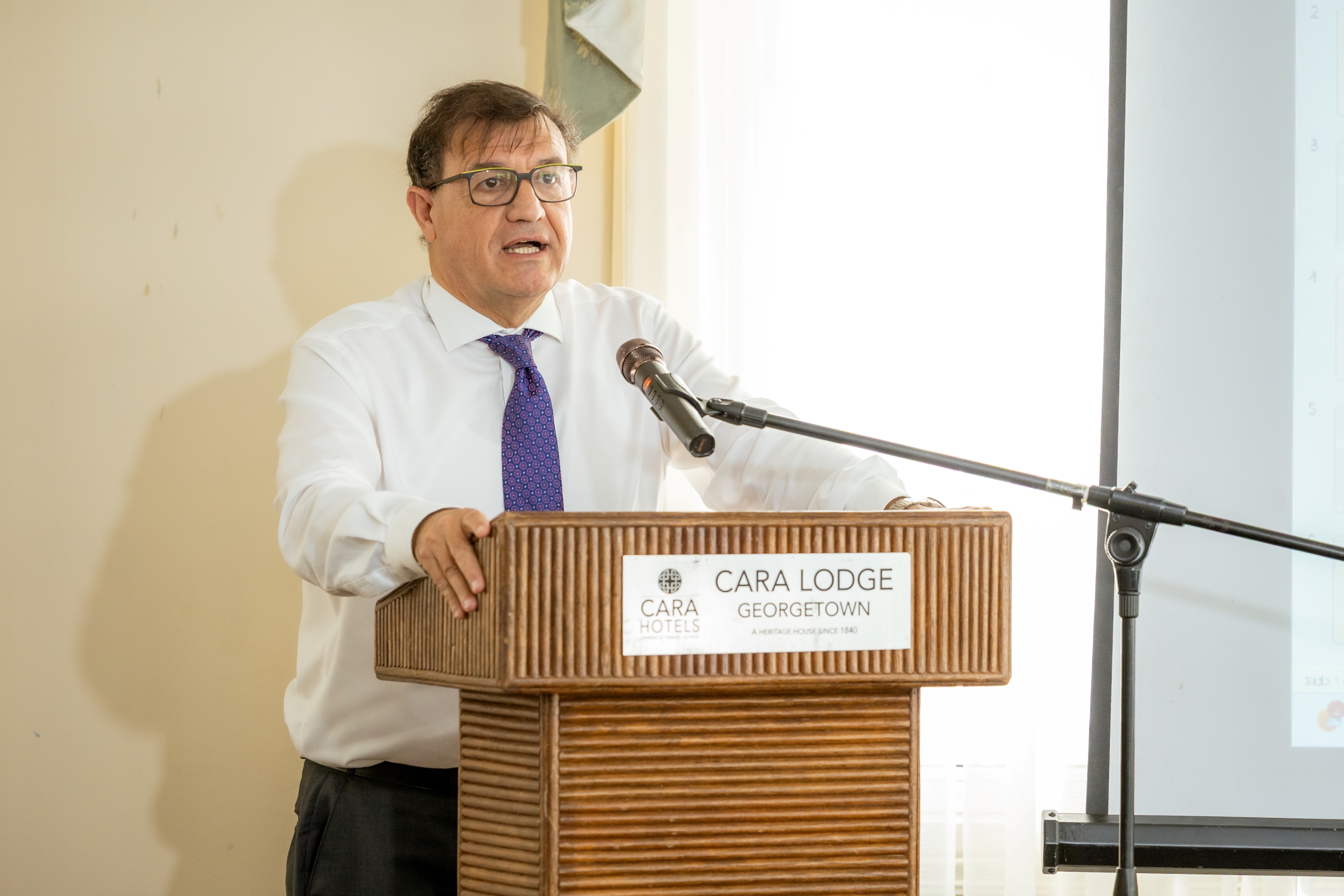
"Artisanal miners are often viewed as a problem, when in reality they are skilled workers, entrepreneurs, and the backbone of many local economies," Tissot said. "This project shows what can be achieved when governments, development partners, and miners work together in genuine partnership grounded in respect, dignity, and shared responsibility."
Representatives from national institutions reaffirmed the need for continued collaboration, supportive policy frameworks, and sustained technical assistance to build on the progress achieved.
Project Team and Collaboration
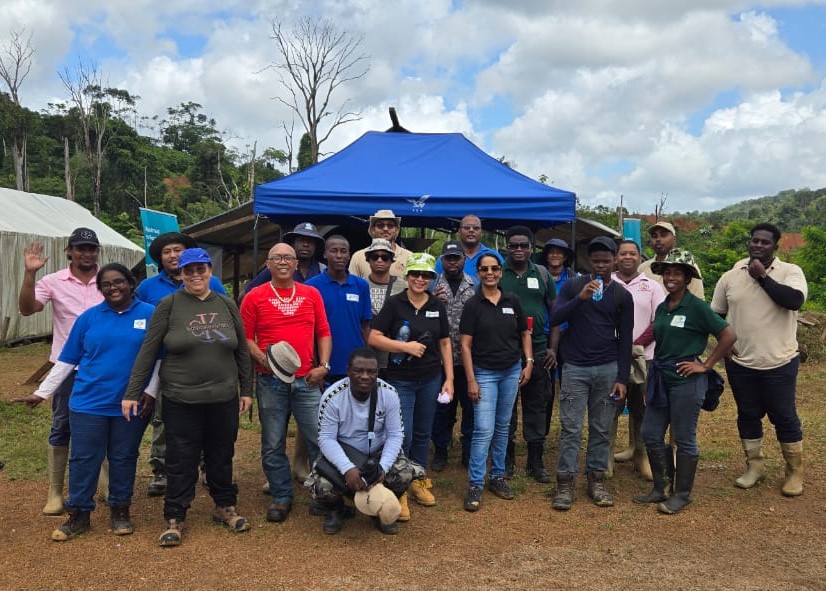
The RTRG Project was implemented by the AGC Guyana team alongside national and local partners. From Tiger Creek to Campbelltown Village in Mahdia (Region 8), the team engaged directly with miners, institutions, and communities to strengthen cleaner processing practices and improve environmental performance in the ASGM sector.
As the project formally concludes, AGC recognizes the field teams, technical partners, and community stakeholders who contributed to its implementation. Their collective efforts laid the groundwork for continued progress toward responsible gold production in Guyana.
Speakers at the Closing Session

The project closure event also featured key speakers representing government, academia, and implementing partners:
- René Roger Tissot, Executive Director, Artisanal Gold Council
- Jimmy Reece, Deputy Commissioner – Technical, Guyana Geology and Mines Commission
- Vasquez Ramdas, National Project Coordinator, AGC Guyana
- Prof. Thomas B. Singh, Director, University of Guyana GREEN Institute
Together, they reflected on two years of implementation, highlighting progress in mercury-free mining, technical capacity building, and environmental performance improvements in Region 8 and beyond.
Looking Forward
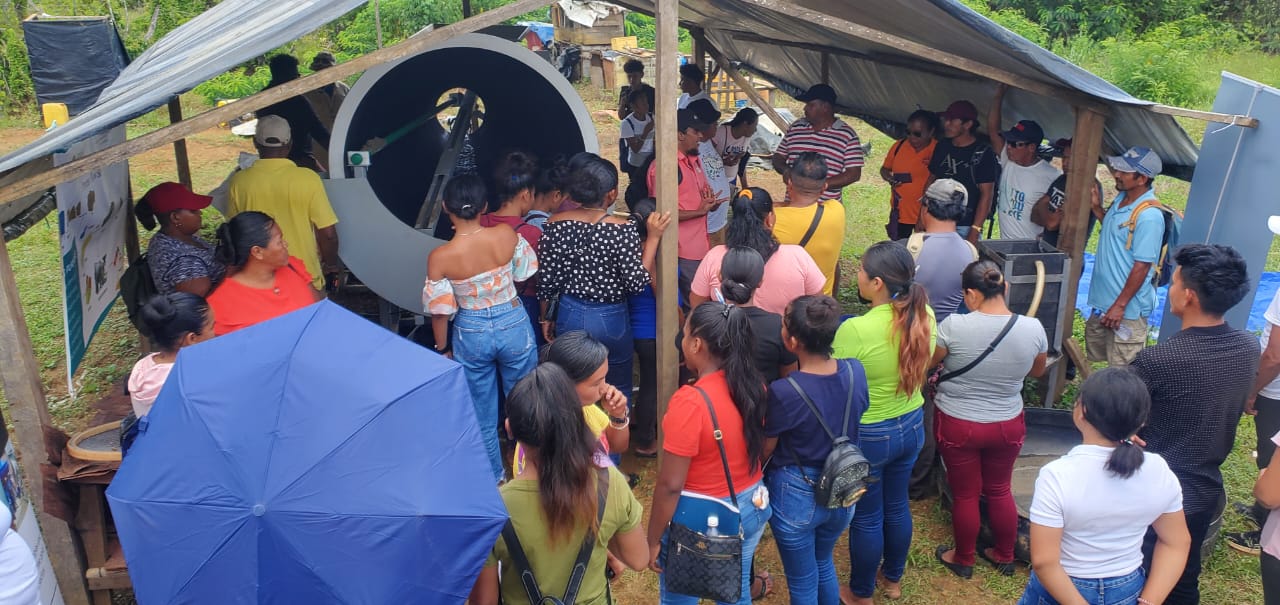
As the Roadmap to Responsible Gold Project concludes, it leaves behind strengthened technical capacity, improved collaboration among stakeholders, and a foundation for continued efforts to reduce mercury use and promote responsible natural resource management in Guyana.
The challenge ahead is to sustain these gains and further scale them through continued cooperation between miners, government institutions, and development partners.





Related Posts


