From “Ninja” to Champion: Tuya Damdinjamts’ Journey in Mongolia’s ASGM Sector
%20(1).jpg)

“I’ve spent over 20 years in small-scale mining. Before, it was just about mining and selling gold. Now, we see there is much more to it.”
- Tuya Damdinjamts.
In Mongolia, artisanal and small-scale gold mining (ASGM) has long been both a lifeline and a challenge. Known locally as “ninja mining” because of the green pans carried by miners, the sector became a major livelihood in the 1990s as the country transitioned to a market economy and formal employment opportunities declined. Informal ASGM has at times accounted for a significant share of the country’s gold production and workforce. For example, in 2017, ASGM contributed around 63.3 percent of Mongolia’s total gold output, approximately 12.66 tonnes.
The sector provided income to many rural communities but also brought environmental and health risks, particularly from mercury use. In the early 2000s, miners faced little regulation, limited access to safer technologies, and almost no formal support.
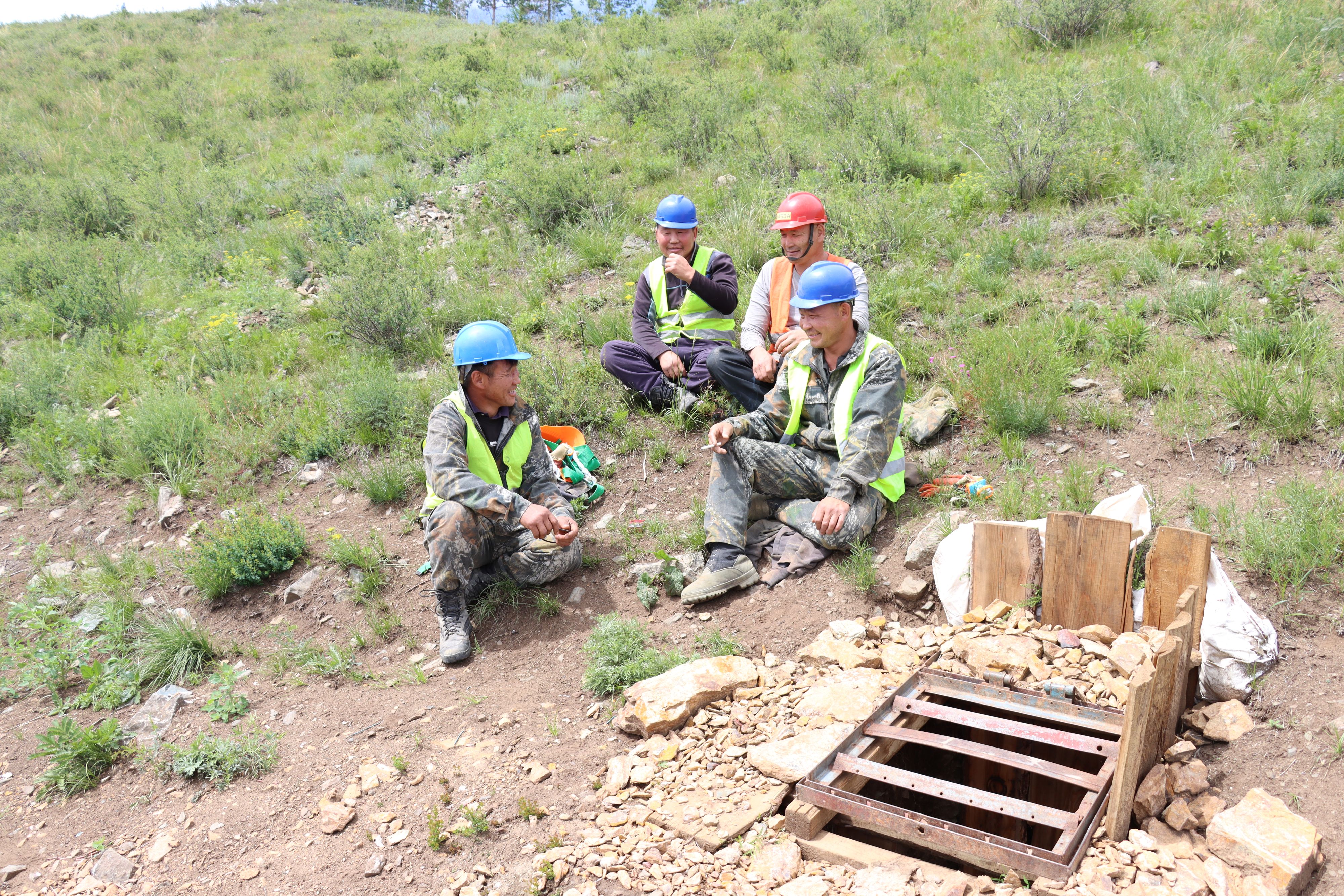
At the same time, the sector brought serious environmental and health risks. Mercury, widely used for gold extraction, has led to pollution of water, soil, and air, threatening ecosystems and human health. In the early 2000s, miners operated with minimal regulation, limited access to safer technologies, and little formal support.
Tuya Damdinjamts' journey began in this environment.
“Like many others, I became unemployed when the trading organization I worked for was dissolved,” she recalls. “It was a difficult time, especially with two young children.”
The discovery of gold in Baruunkharaa in 1993 offered a new path. Her husband went first, and Tuya soon followed.
“Many women would pick out small gold-containing stones from piles of rocks. We called them ‘lucky stones,’” she says. “We crushed them using iron pestle and mortars, then used mercury to extract the gold.”
These methods, while accessible, carried serious risks. Mercury use in ASGM has contributed to environmental degradation and remains a major source of global pollution.
“When ASGM really took off around 2005, many women joined the work, and fathers would even bring their children to mining sites,” Tuya shares. “Mercury was the only available method, and it was sold in small vials in grocery stores.”
Despite government bans, mercury use persisted, often shifting into homes after crackdowns on mining sites. At the same time, miners began organizing to improve their conditions. Tuya was part of this shift.
She joined more than 700 miners in forming an NGO to advocate for their rights. “As a ninja miner, I was focused on day-to-day survival and couldn’t fully exercise my basic human rights,” she says.
Over time, this collective effort evolved into a more structured action. Their group became a formally registered partnership, and Tuya took on a leadership role in the Shijir Khishig Mining Partnership (SKP) in Selenge Province. From there, she helped organize trainings, support formalization efforts, and strengthen systems within their community.

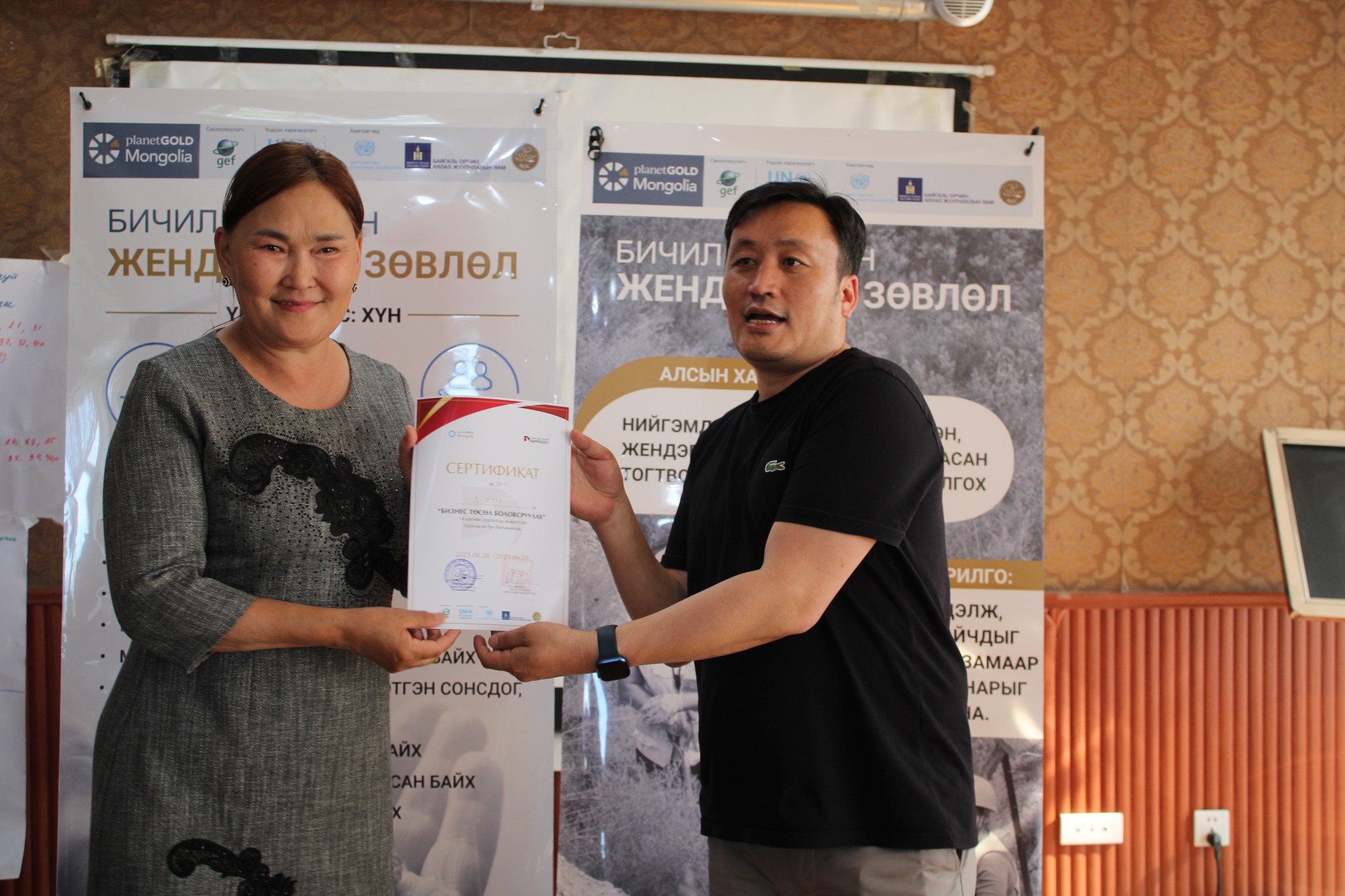
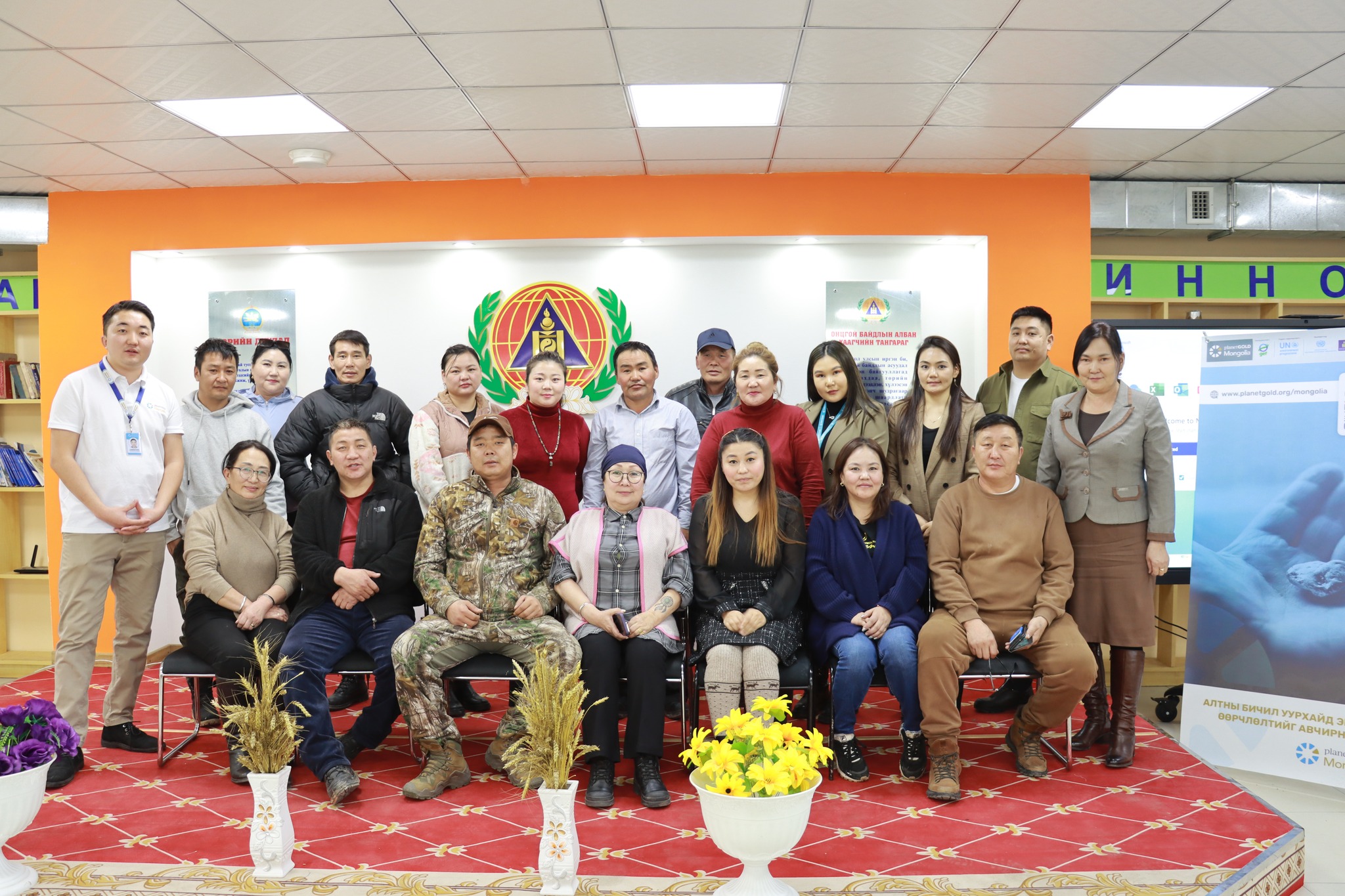
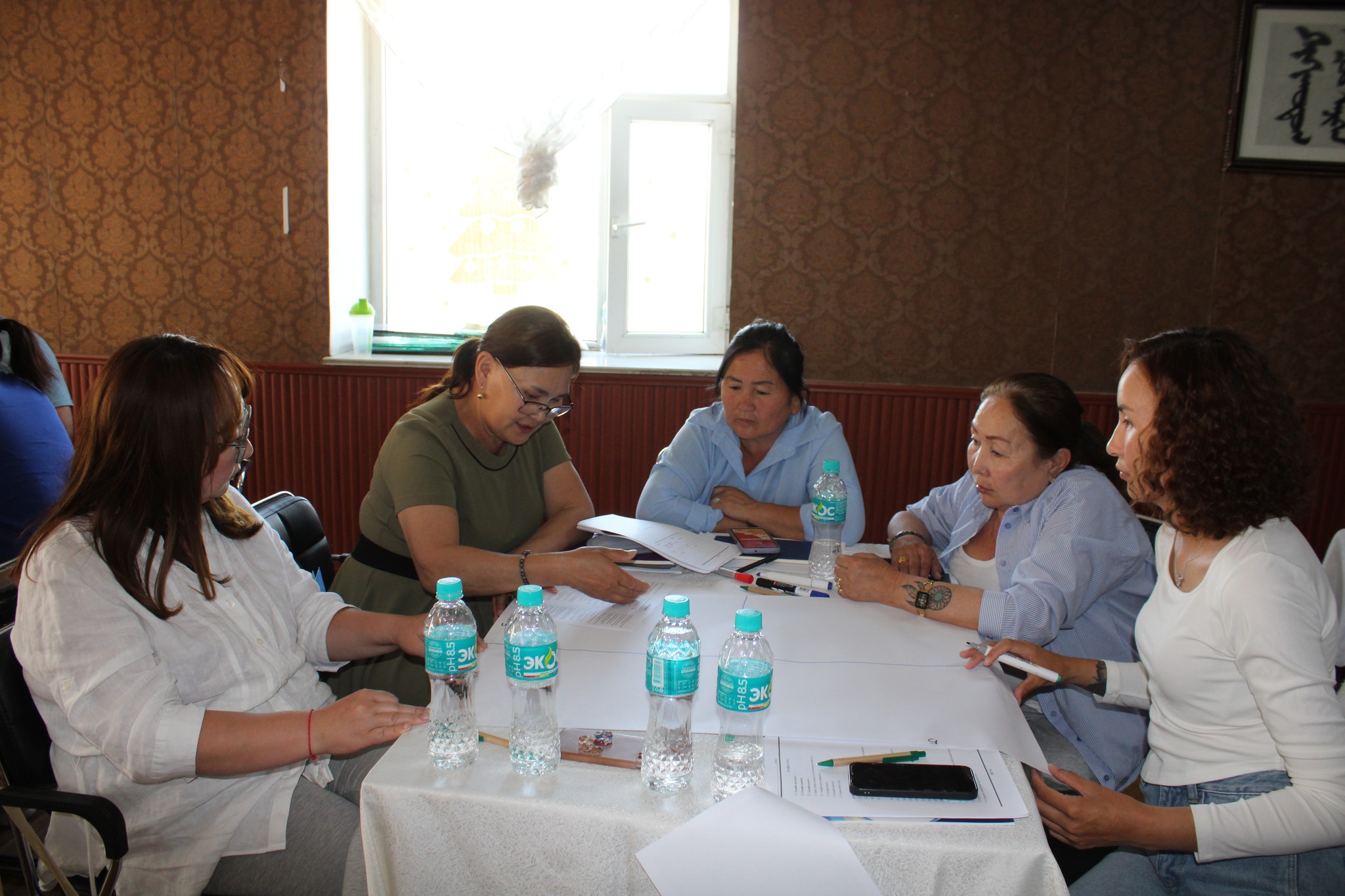
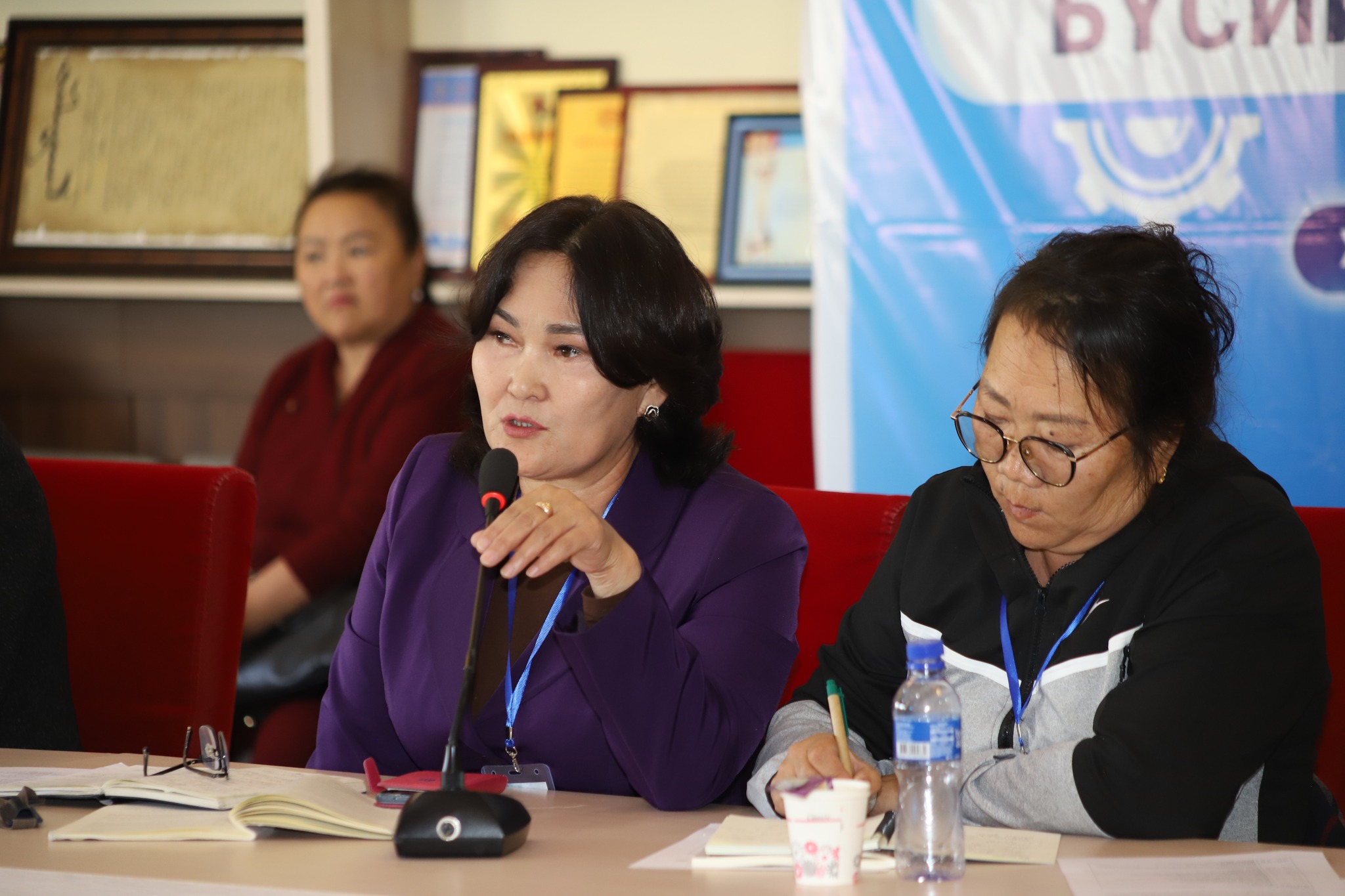
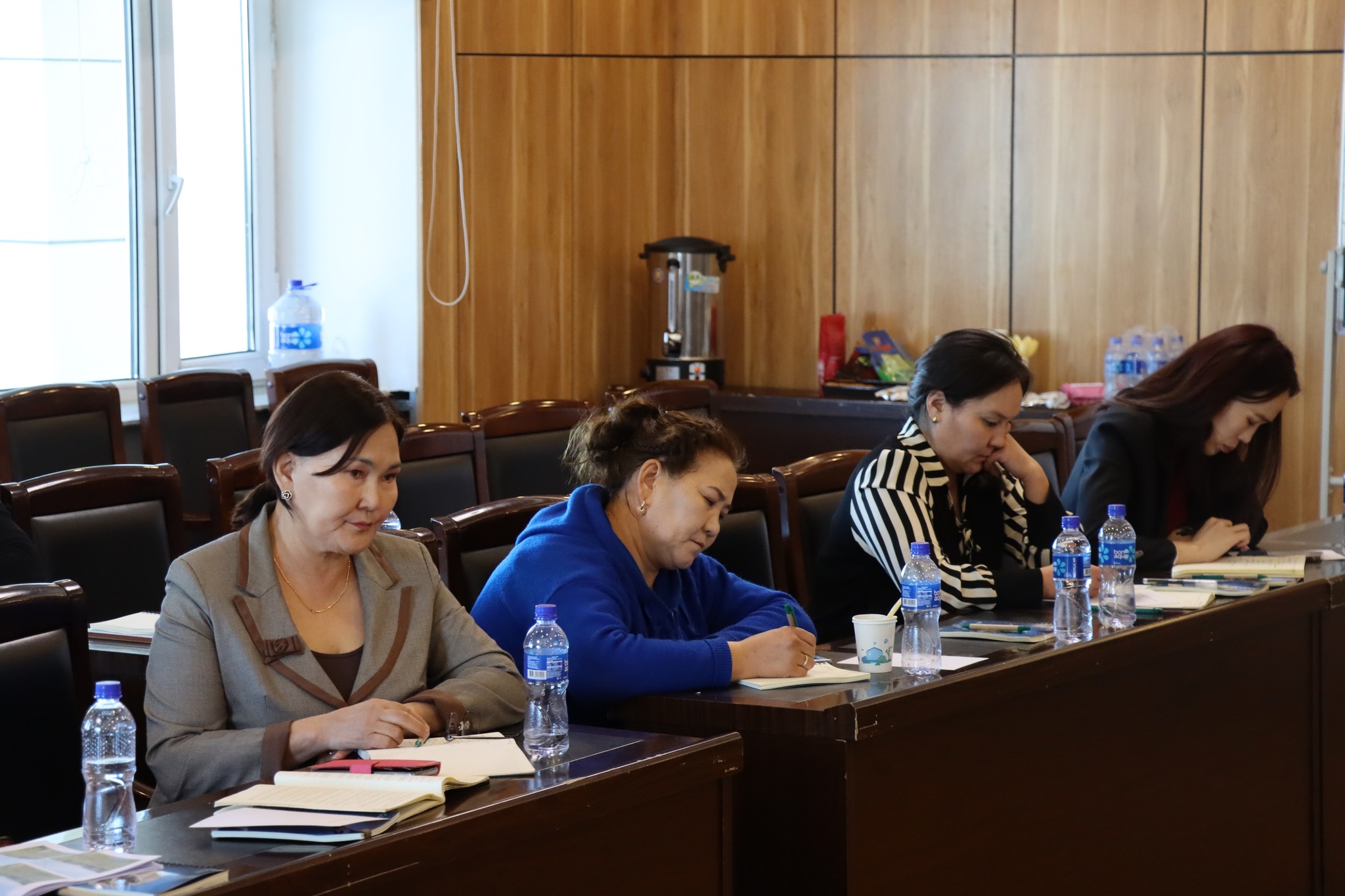
Through this work, Tuya emerged as a true ASGM champion, consistently taking a leading role in initiatives organized by the Artisanal Gold Council (AGC) under the planetGOLD Mongolia project. She has been actively involved in multiple trainings—from gender and human rights workshops to technical sessions on mercury-free processing at MFPS facilities—and has often represented her peers during national and community-level discussions.
“Thanks to the gender and human rights training, we came to understand that all people are equal. We have equal human rights,” she says.
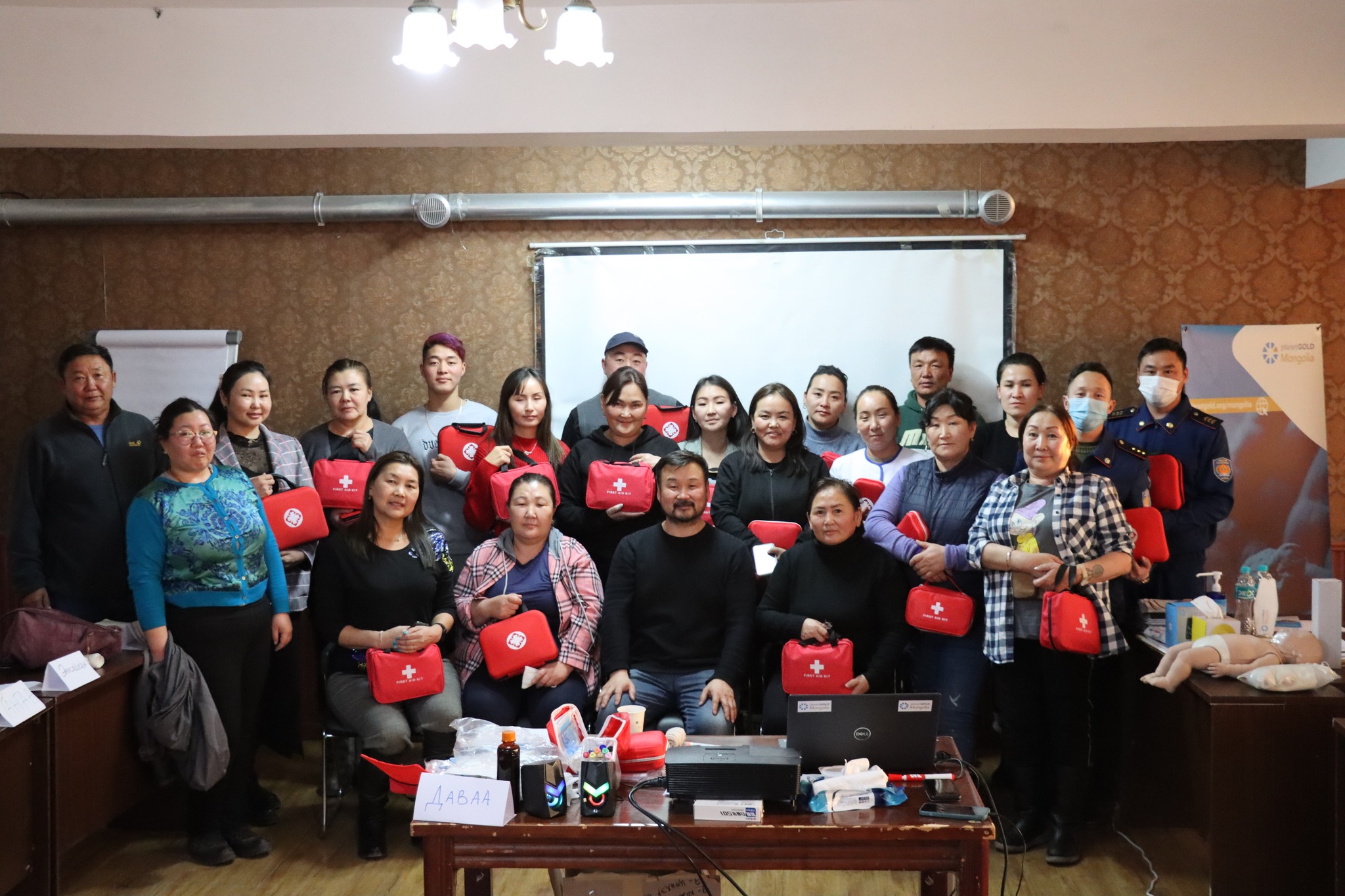
Beyond technical knowledge, Tuya gained skills in leadership, financial management, first aid, and other essential areas, which she applies both in her partnership and in mentoring other miners. Initiatives like the Gender Committee provided spaces for dialogue on rights and inclusion, helping shift perspectives in a traditionally male-dominated sector. Her commitment demonstrates why women are increasingly stepping into leadership roles in ASGM, a change she attributes to the sector’s formalization and the growing need for a broad range of skills.

Still, challenges remain. “Long hours in the field mean less time for our families and children,” she notes.
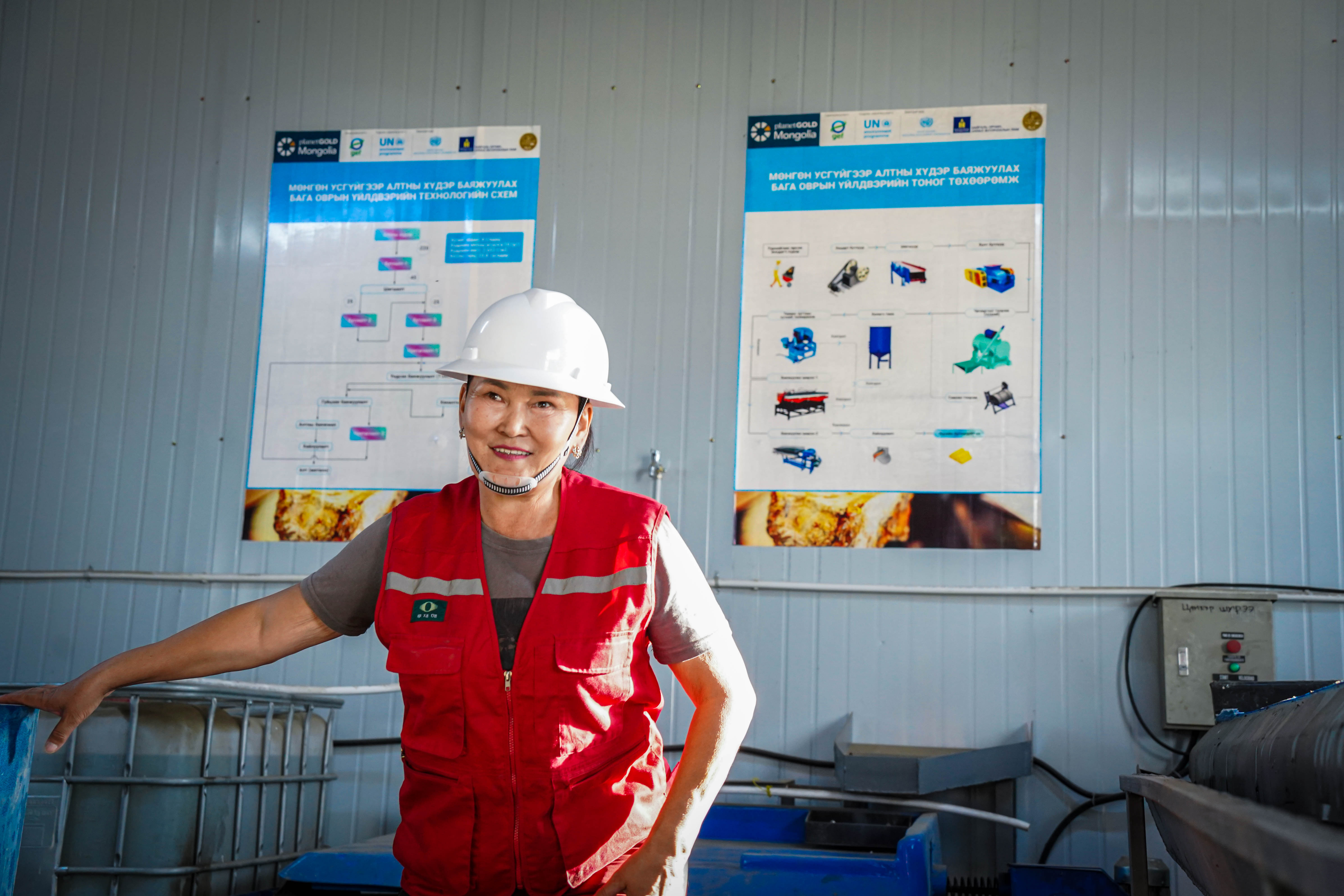
At the same time, the sector is undergoing important technological change. With support from the planetGOLD Mongolia project, implemented by AGC alongside UNEP and UNIDO, mercury-free processing technologies have been introduced. Two processing plants in Mandal soum and Tunkhel in Selenge Province now use gravity-based methods for gold extraction.
“The technology is time-saving, labor-saving, and economically efficient,” Tuya says. “It benefits everyone in the sector.”
These improvements reduce environmental harm while increasing gold recovery, allowing miners to earn more from their work.
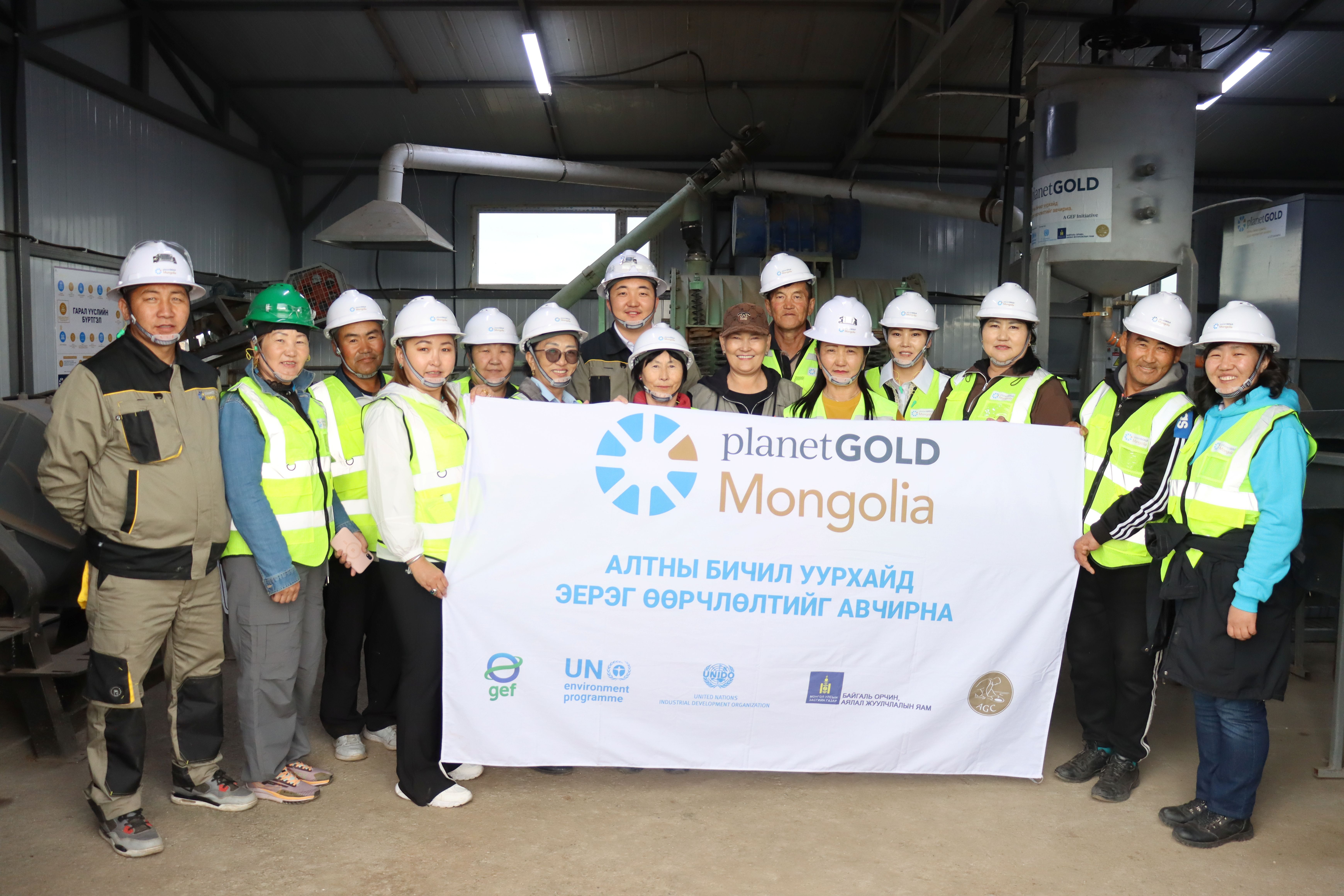
AGC’s work in Mongolia goes beyond technology. It focuses on strengthening the sector through:
- Supporting the formalization of ASGM groups and partnerships
- Delivering training on mercury-free practices, human rights, and gender equality
- Developing curricula and conducting capacity-building workshops
- Working with government and financial institutions to improve systems and access
- Exploring sustainable models, including social business approaches for mining communities
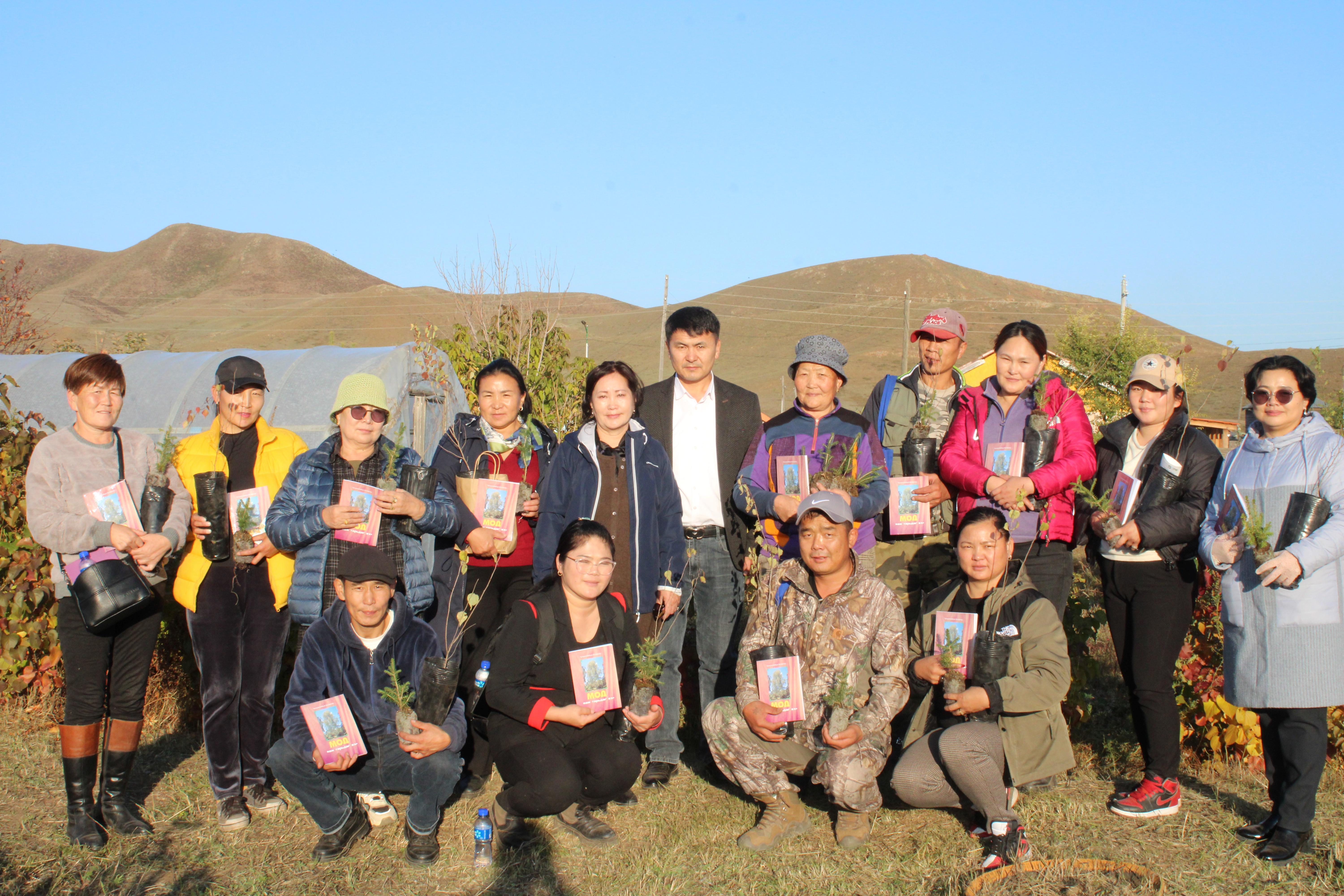
The project also engages younger generations through activities like tree planting, workshops, and art competitions that raise awareness about mercury and responsible mining.
For Tuya, these changes mark a turning point.
“Now we are starting to see ASGM as a business, and we are moving forward together,” she says.
Looking ahead, she sees a different future for the sector.
“I see small-scale mining becoming a responsible, environmentally friendly, and legally compliant business that provides stable jobs and income. Through this project, I realized that it is not just a means of survival. It can become a well-organized, technology-driven, sustainable business.”
About Artisanal Gold Council
AGC is the executing agency of the planetGOLD Mongolia project, which runs from 2019 to 2025. To learn more, visit the planetGOLD Mongolia Facebook page, visit the website, or explore the project success documents. In celebration of Women’s Month, AGC is proud to feature HERSTORY in Transforming ASGM: 2026, highlighting women like Tuya Damdinjamts who are leading positive change in the artisanal and small-scale gold mining sector.