From Mercury-Contaminated Rivers to Mercury-Free Gold: Vilma Padilla’s Story of Grit and Leadership in ASGM
Vilma Padilla’s journey from river miner to mercury-free leader shows how women miners help communities thrive.
.png)
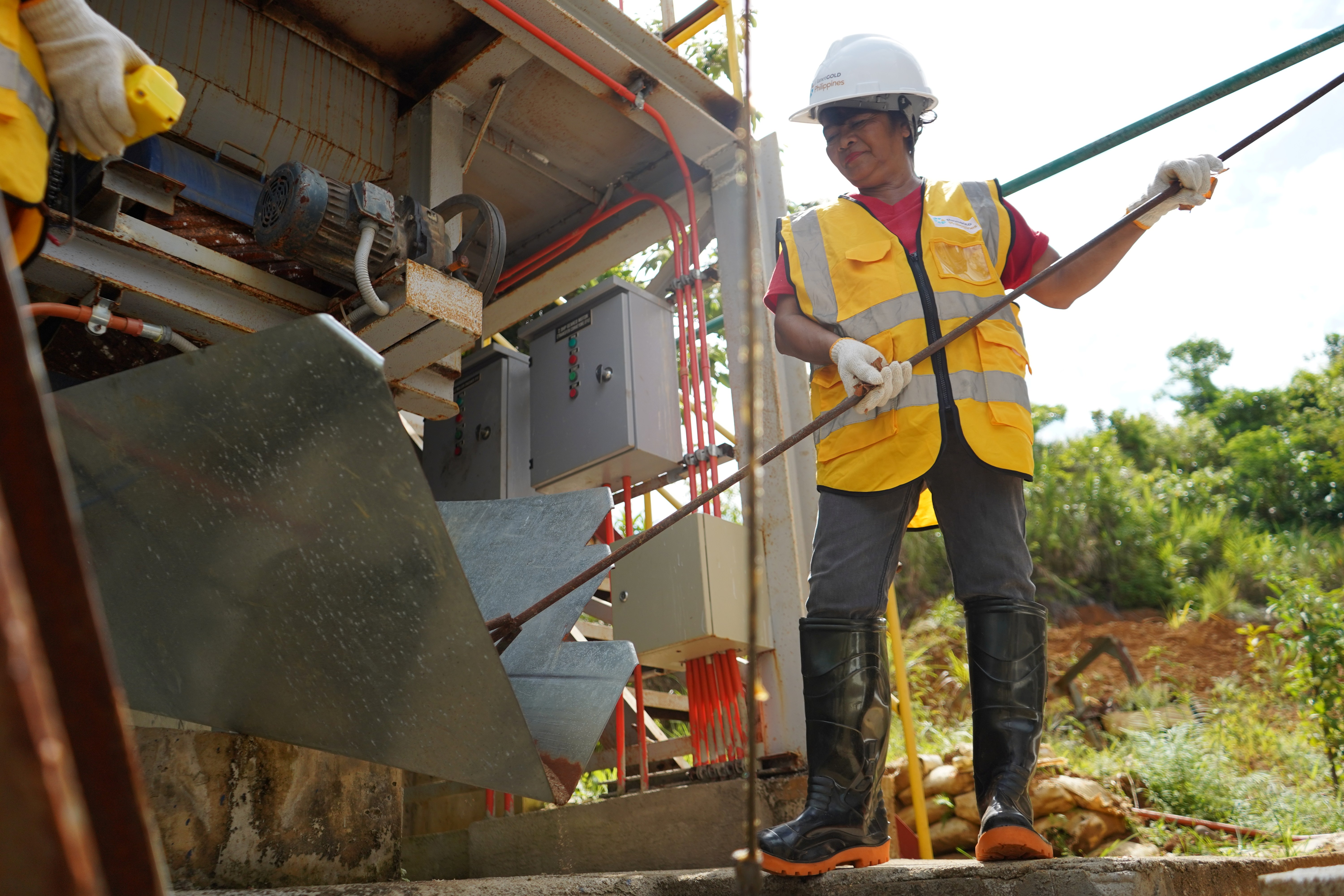
Camarines Norte, Philippines — For most of her life, Vilma Padilla has carried gold dust in her hands and the weight of mining in her bones.
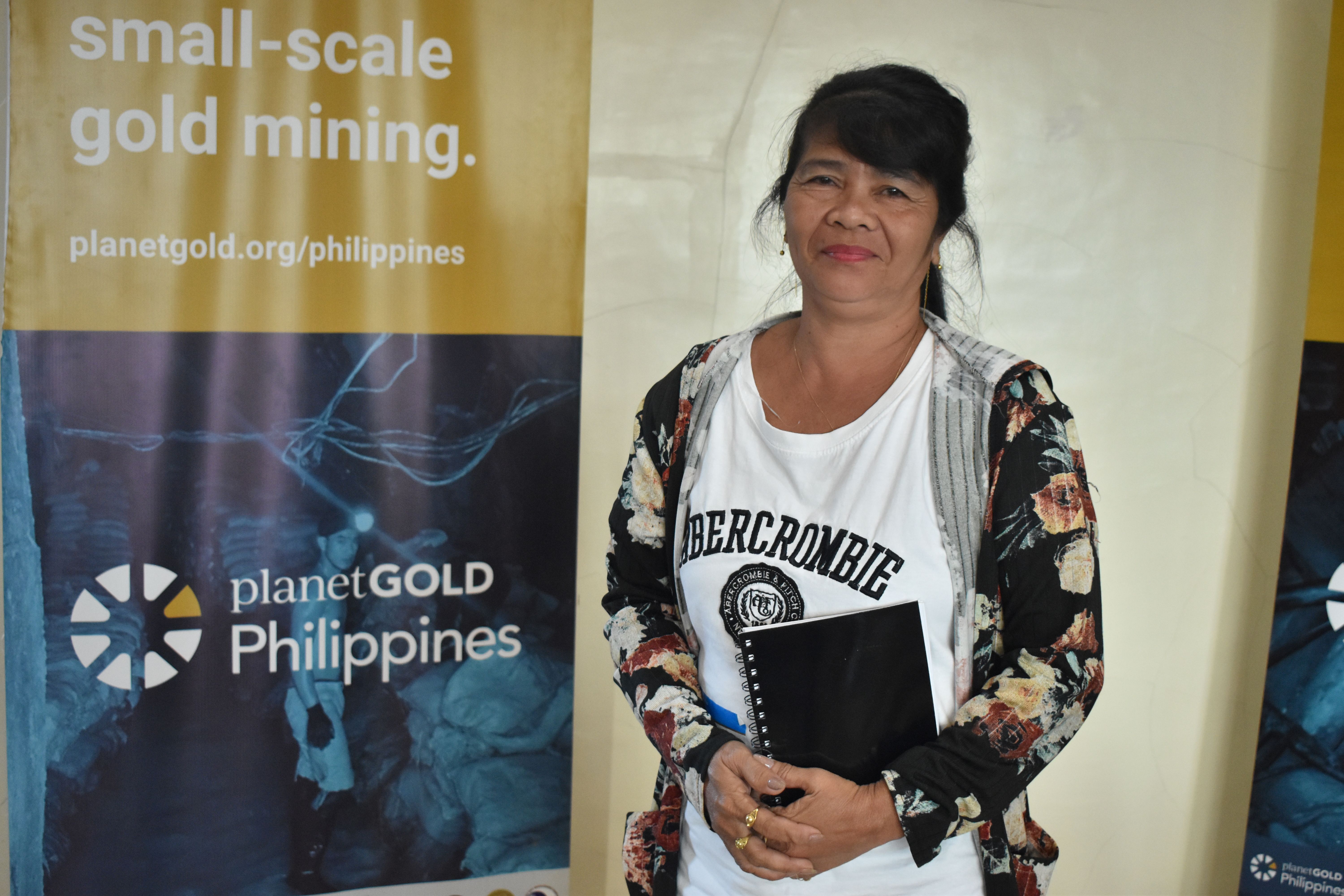
Now 55, a mother of five, and a core member of the Samahan ng mga Minero sa Barangay Casalugan, a community-based mining group in Paracale, Camarines Norte, Vilma represents a generation of women miners who grew up working with mercury. Today, she is at the forefront of leading safer and more sustainable mining practices in her community.
A Lifeline and a Risk
Mining has long been more than a livelihood in Paracale—it is a tradition passed down through generations. The Philippines, ranked 27th in global gold production, relies on artisanal and small-scale gold mining (ASGM) to support roughly 500,000 miners directly and over two million people indirectly.
However, traditional gold extraction methods, particularly the use of mercury, exposed miners and communities to severe health and environmental hazards. “I’ve done it all,” Vilma recalls. “Panning, sluicing, even using mercury. It’s what we grew up with. We didn’t know there were other ways.”
Women and children have been especially vulnerable in this sector, often performing labor-intensive tasks under unsafe conditions. Yet their contributions, resilience, and leadership have largely remained invisible.
Gold in Her Veins
Born and raised in Camarines Norte, Vilma began mining at just ten years old, spending her days panning for gold along the creeks of Paracale—a town whose very name, meaning “canal digger,” reflects centuries of mining heritage.
As her body aged and could no longer endure long hours in the river, Vilma stayed connected to the community in new ways. When the Minahang Bayan was formally established in Casalugan, she supported miners as a cook, managing supplies and helping operations behind the scenes.
Leading the Mercury-Free Shift
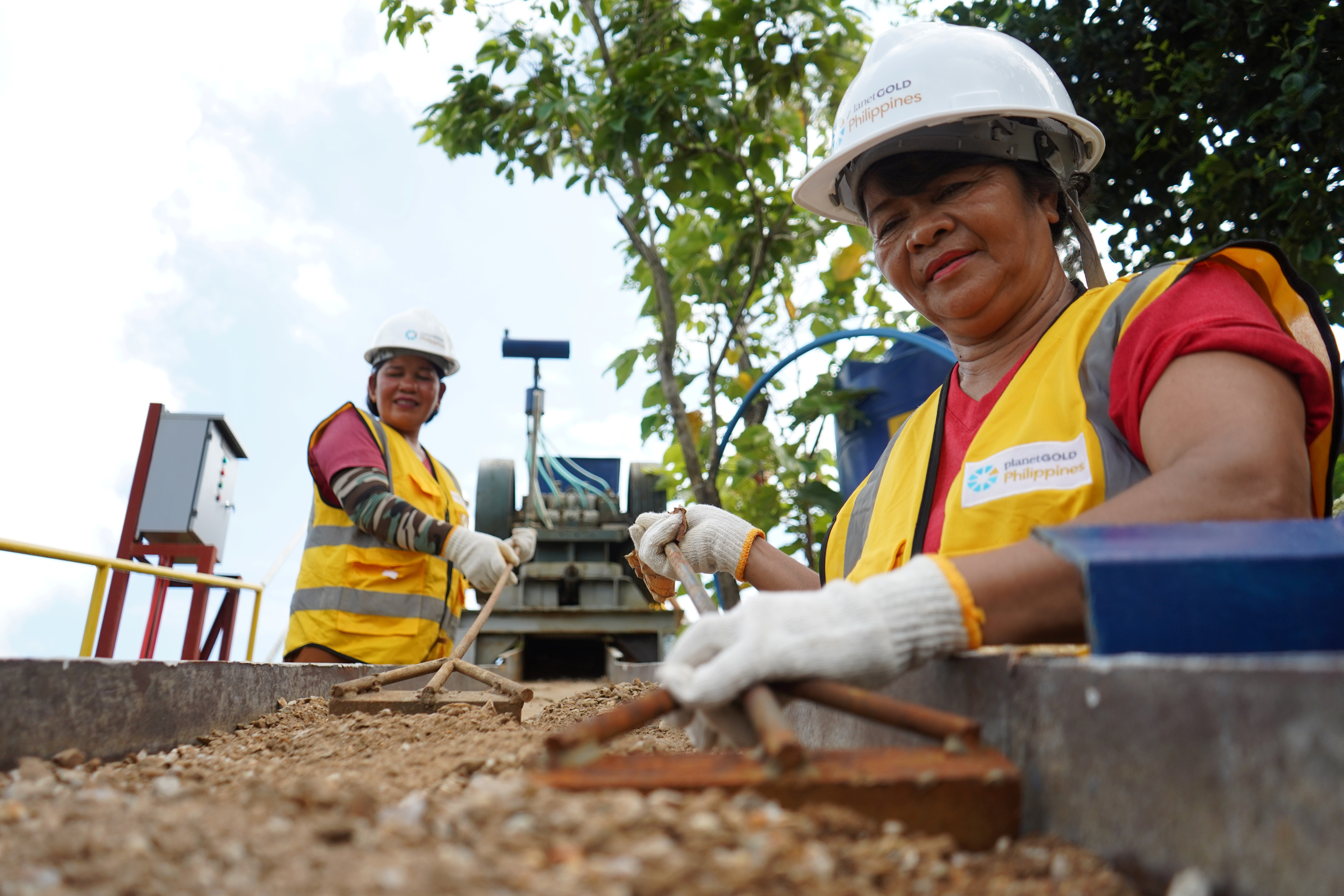
Vilma’s life took a transformative turn when the planetGOLD Philippines Project, executed by the Artisanal Gold Council, entered her community. She was among the first to participate in community orientations and training sessions, showing up without fail.
“I had heard about the dangers of mercury before, but I didn’t give it much thought—we didn’t have any other option. It was just how things were done. I never really understood how much harm it could cause to our health and the environment,” Vilma shares.
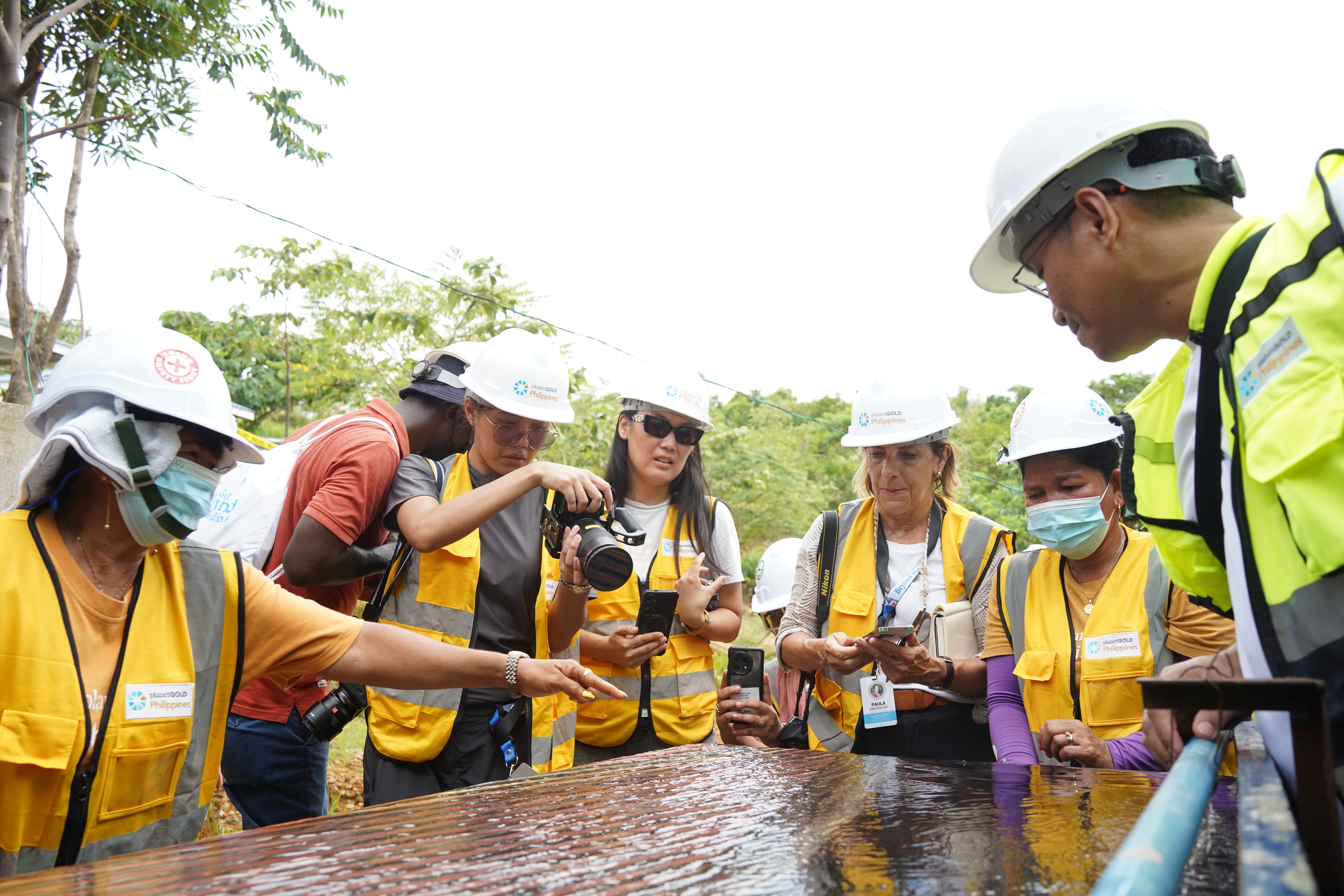
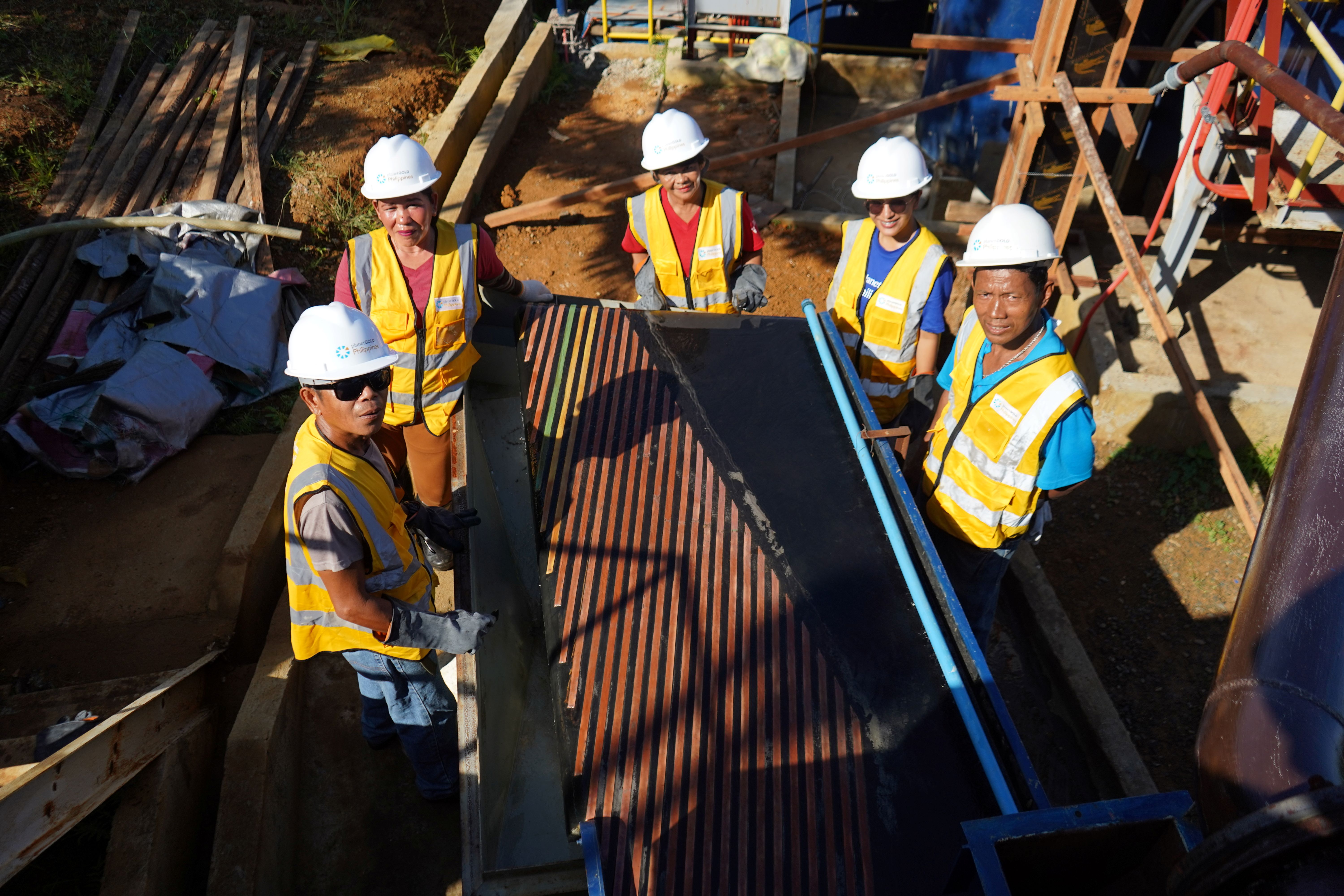
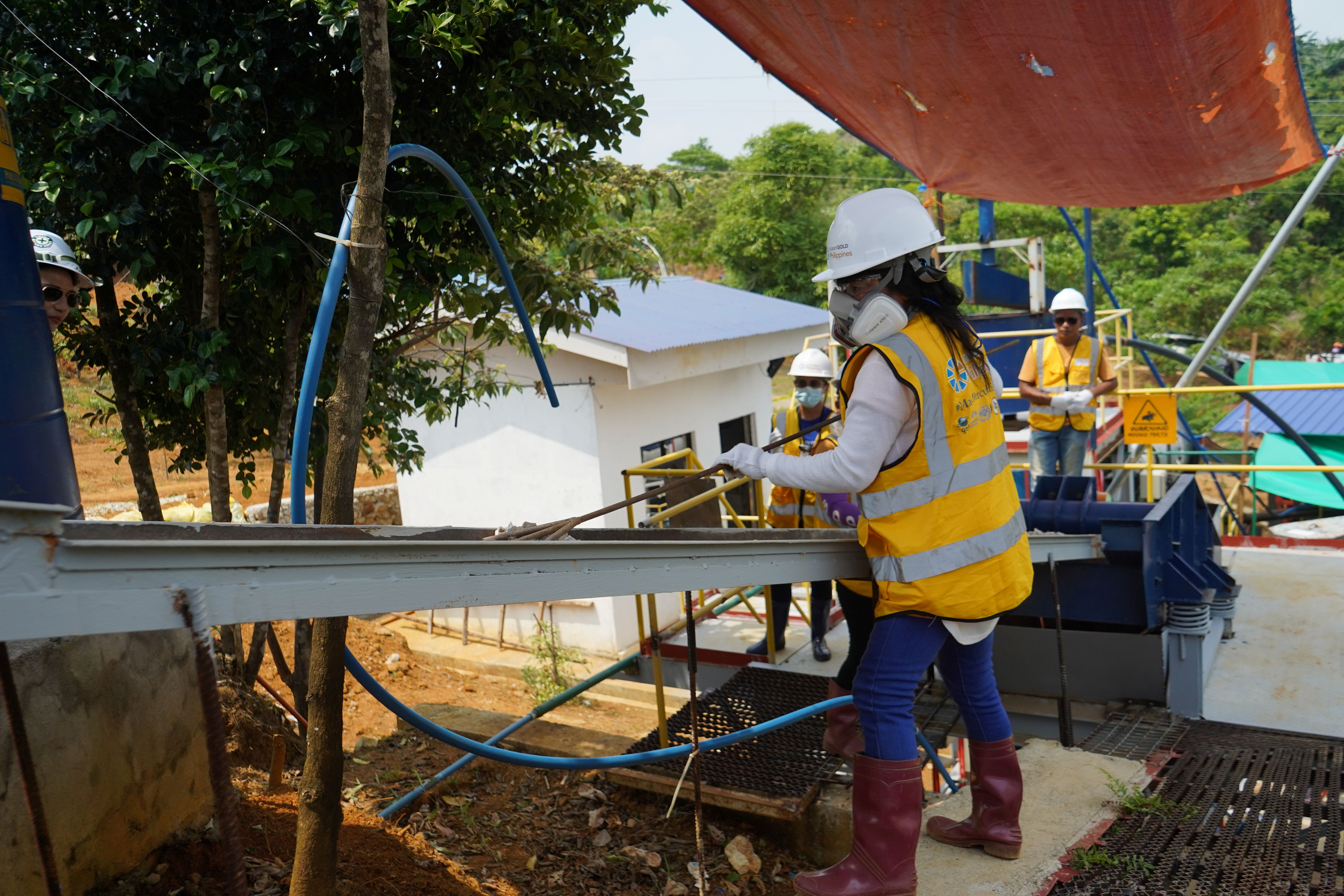
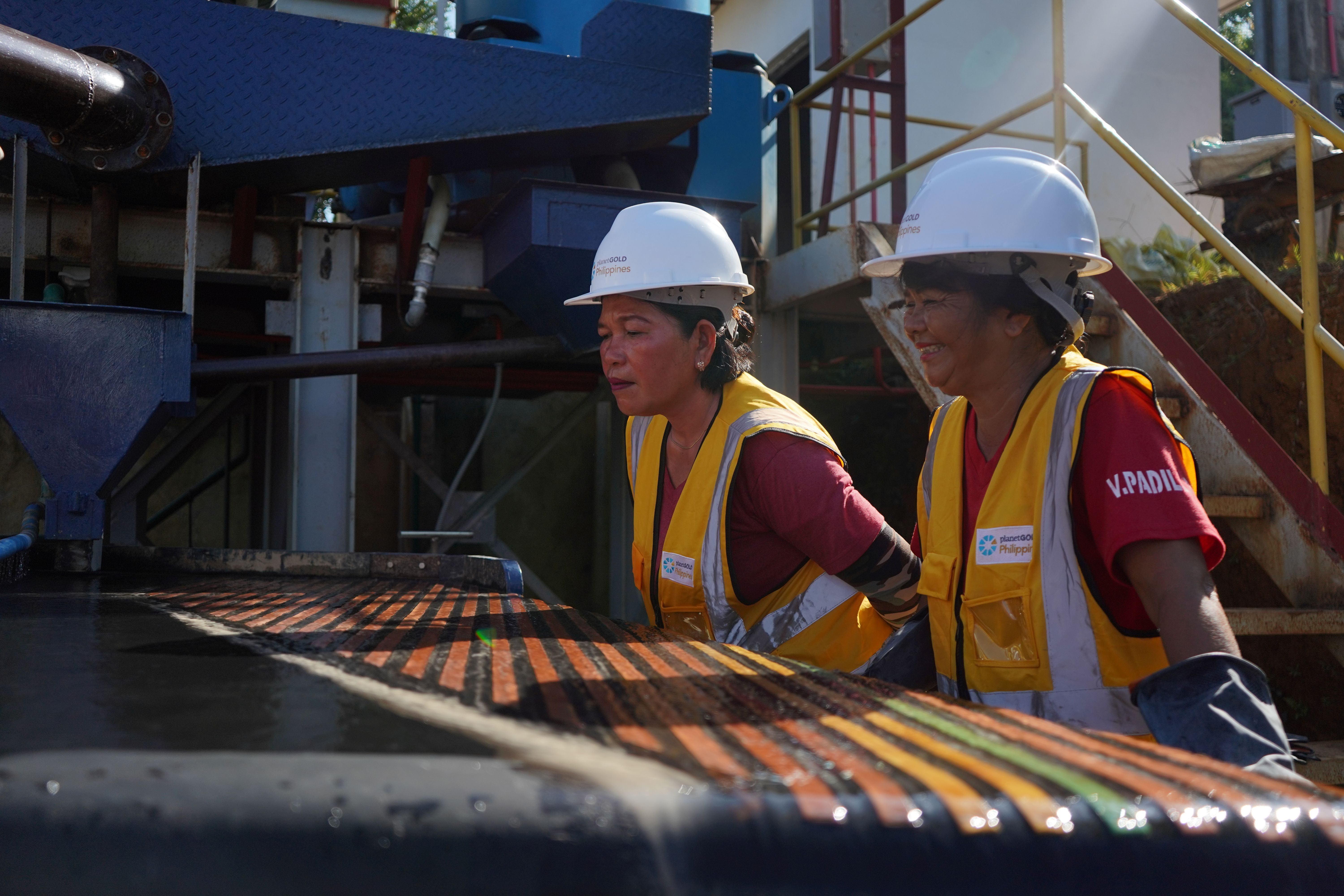
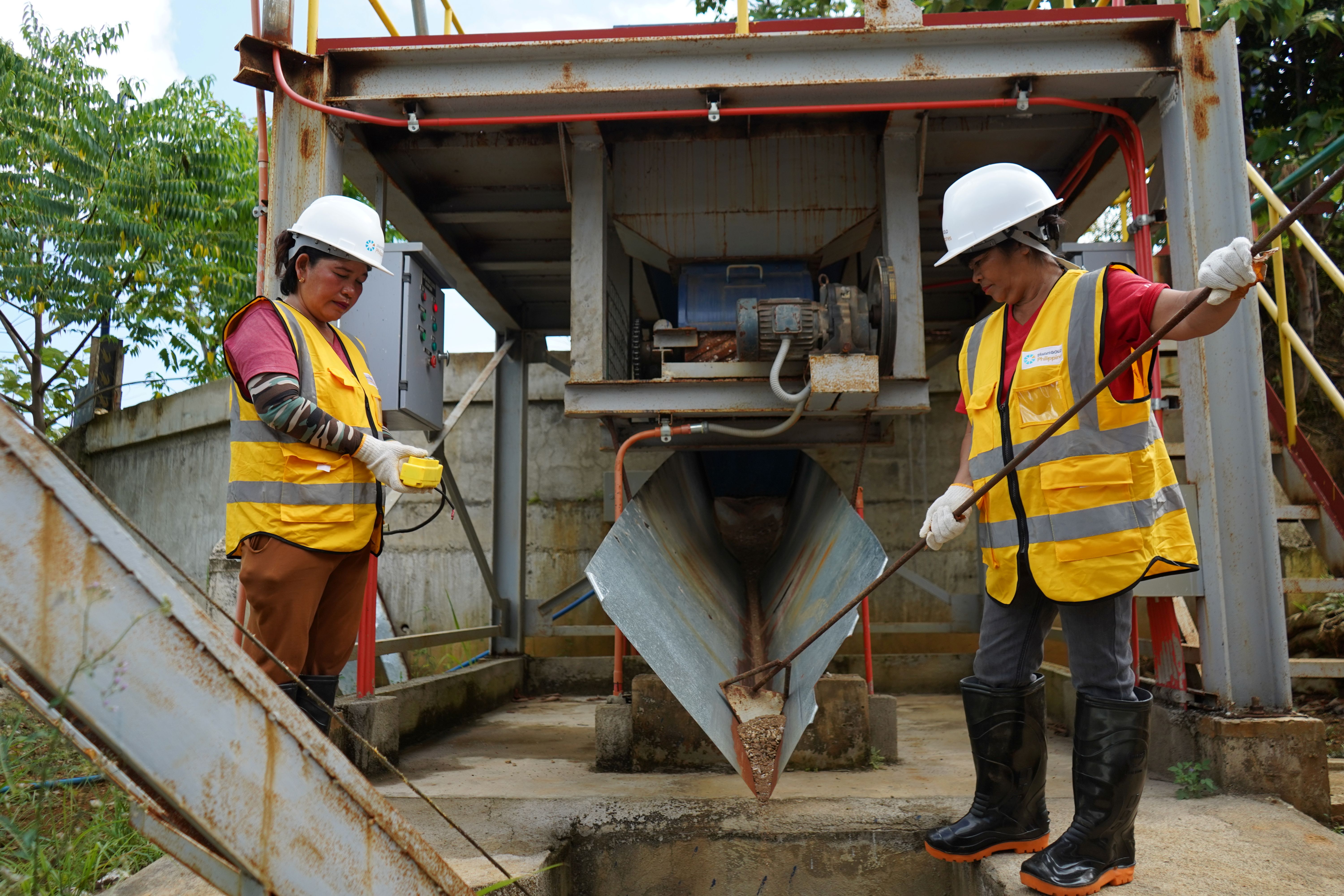
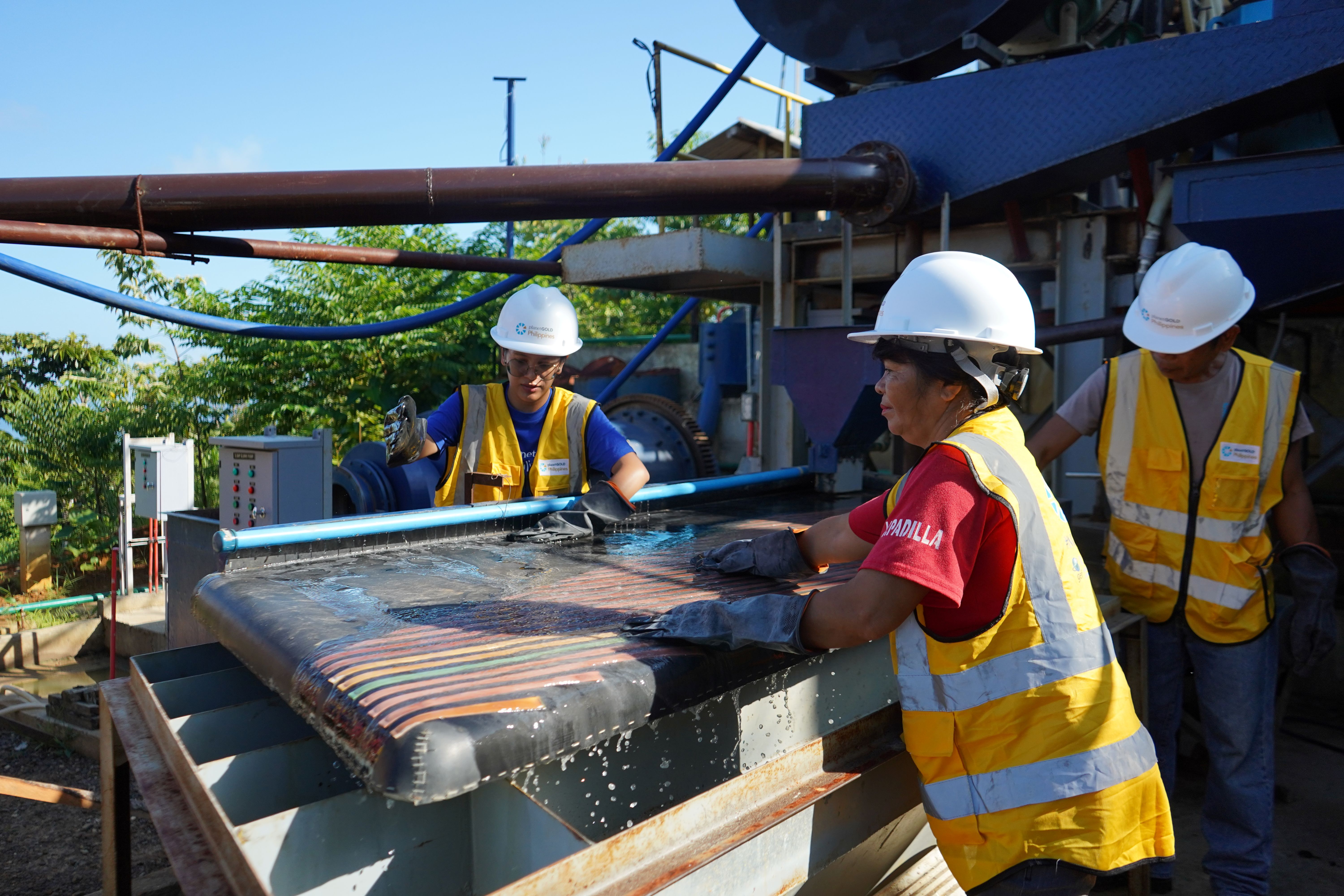
She became one of the first women trained to operate the Mercury-Free Processing System (MFPS) in Paracale, a facility that removes mercury from the gold extraction process using advanced gravity concentration techniques combined with cyanide–amino acid leaching. This innovation not only minimizes health and environmental risks but also significantly improves gold recovery—from just 50 percent to as high as 90 percent.
“Communities thrive when women are empowered with knowledge, skills, and safer alternatives,” Vilma reflects. “When we give our time, our skills, and our leadership, we all gain. This is what it means to give to gain in our mining communities.”
Today, Vilma is not only an operator but also a manager at the MFPS. Visitors, students, local officials, media, and international delegates are often greeted by her, confidently explaining how the equipment works and why mercury-free mining is the future. “Here at the MFPS, women are not just present—we lead. We operate, manage, train, and make decisions to improve the plant,” she says proudly.
Women Taking the Lead
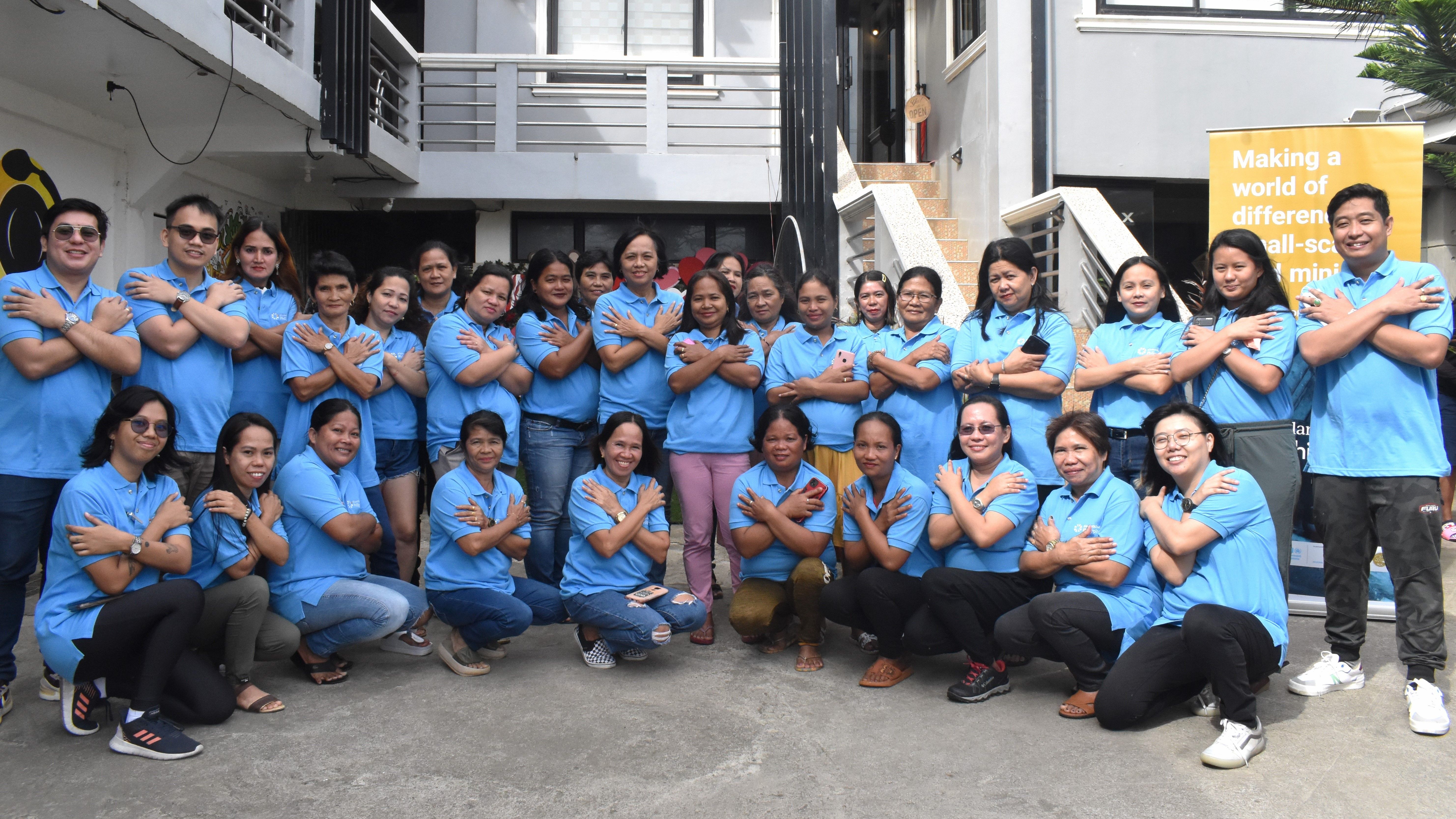
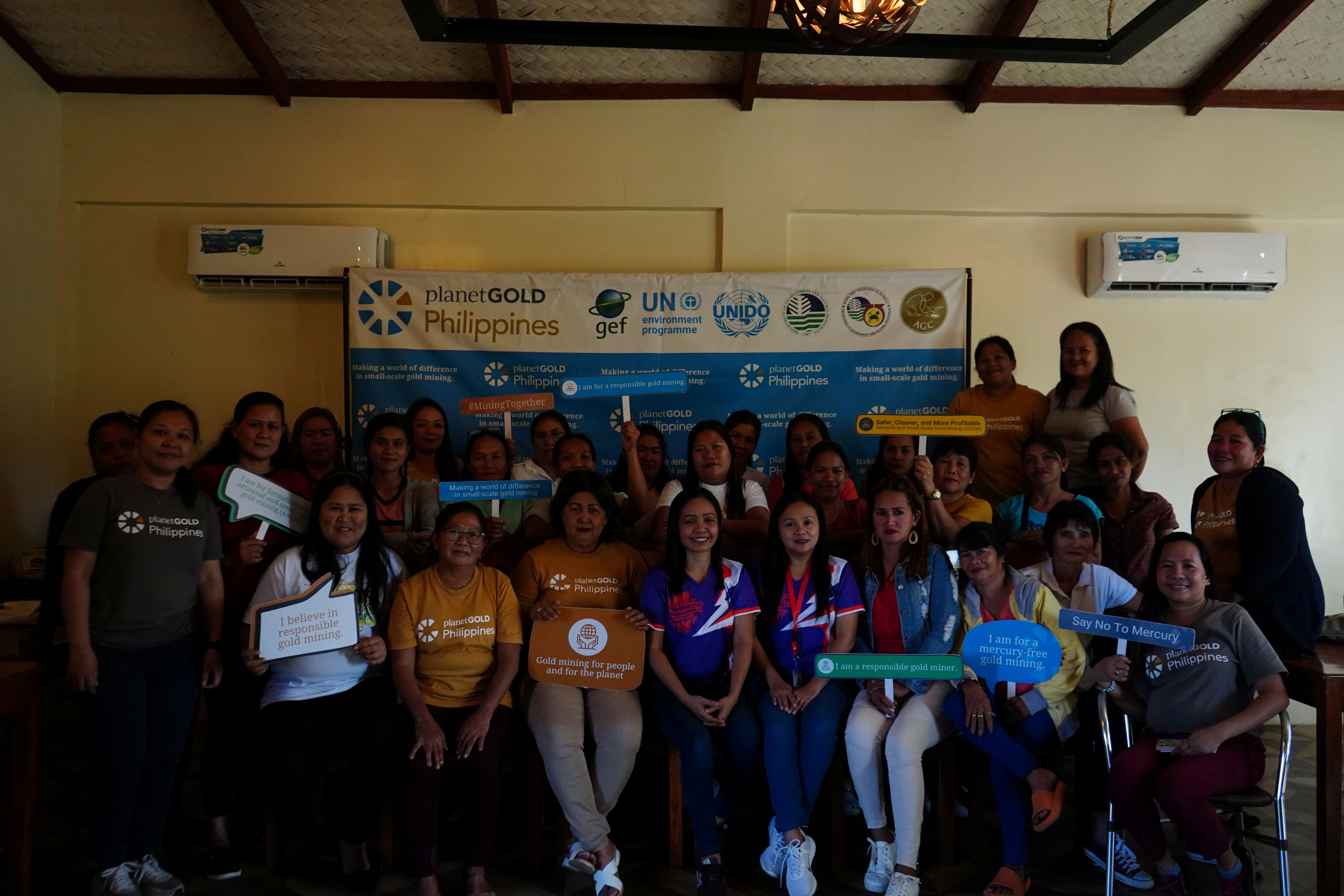
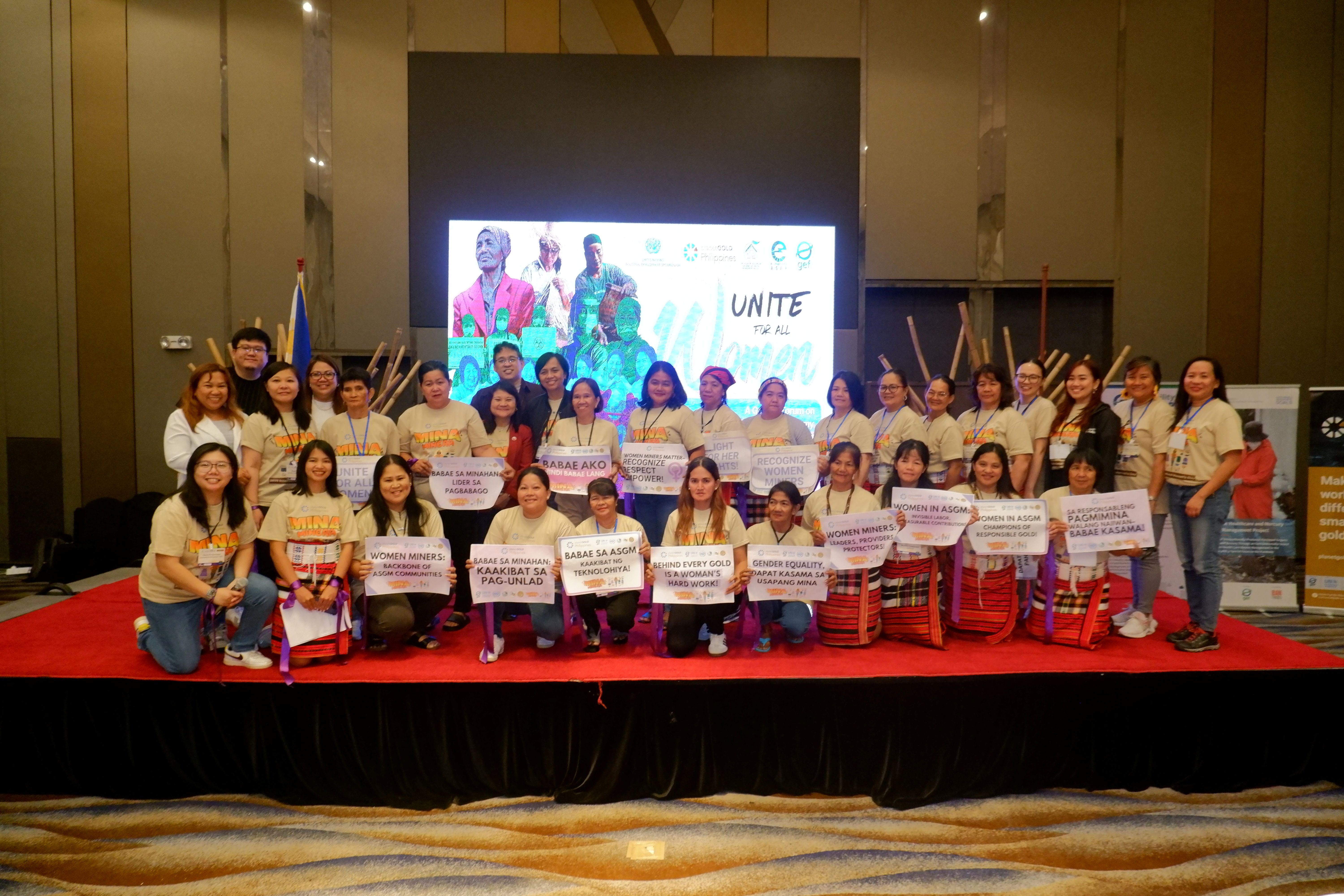
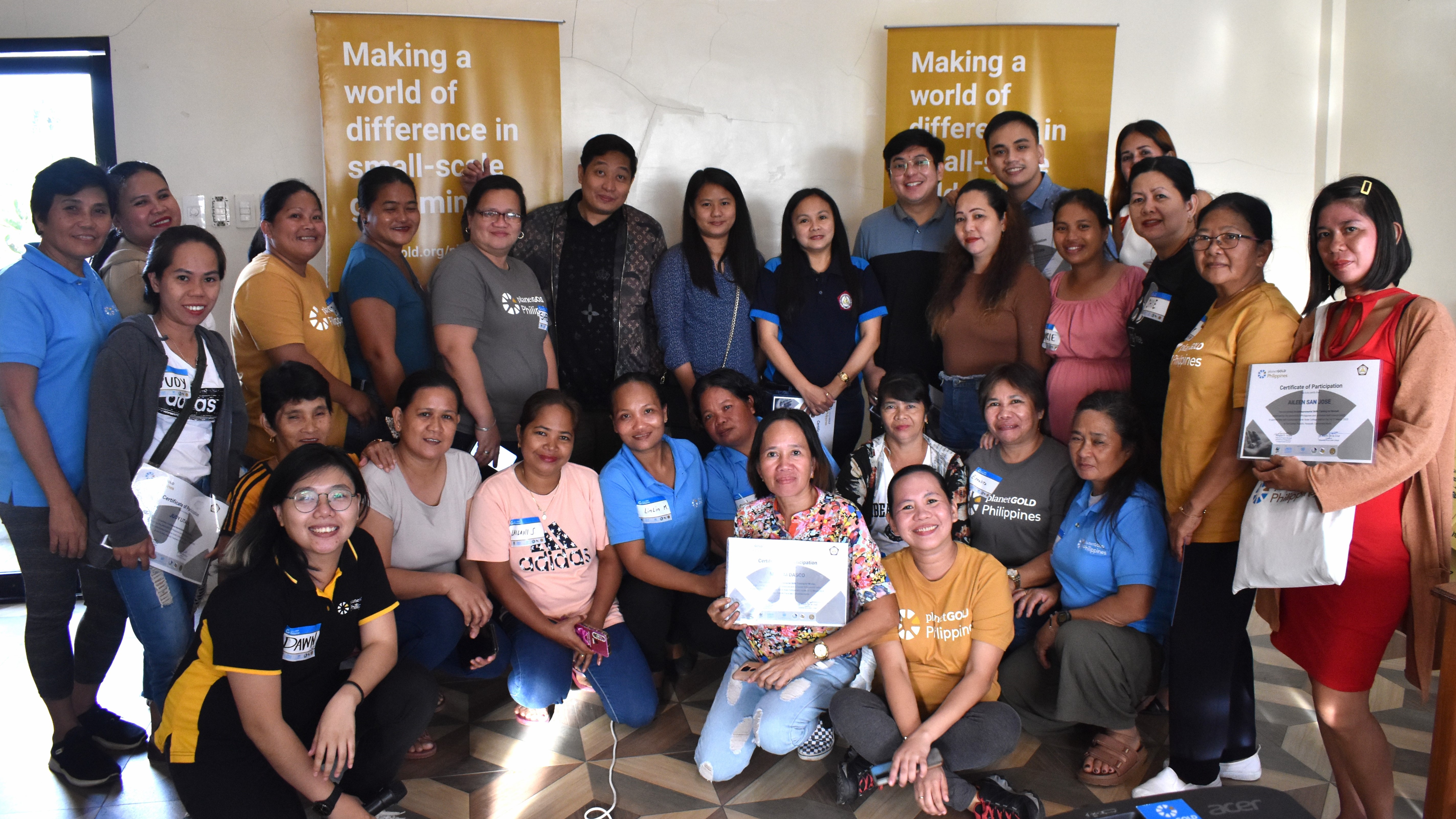
In a traditionally male-dominated sector, Vilma exemplifies the growing leadership of women miners. Thanks to the support of AGC’s initiatives and community organizing, women across project sites have been trained not only in technical skills but also in financial literacy, environmental protection, and leadership development.
“Before, we were only seen as helpers, cooks, or wives of miners. Now, we are recognized as miners too—as part of the workforce and the future,” Vilma explains.
A Call for Recognition
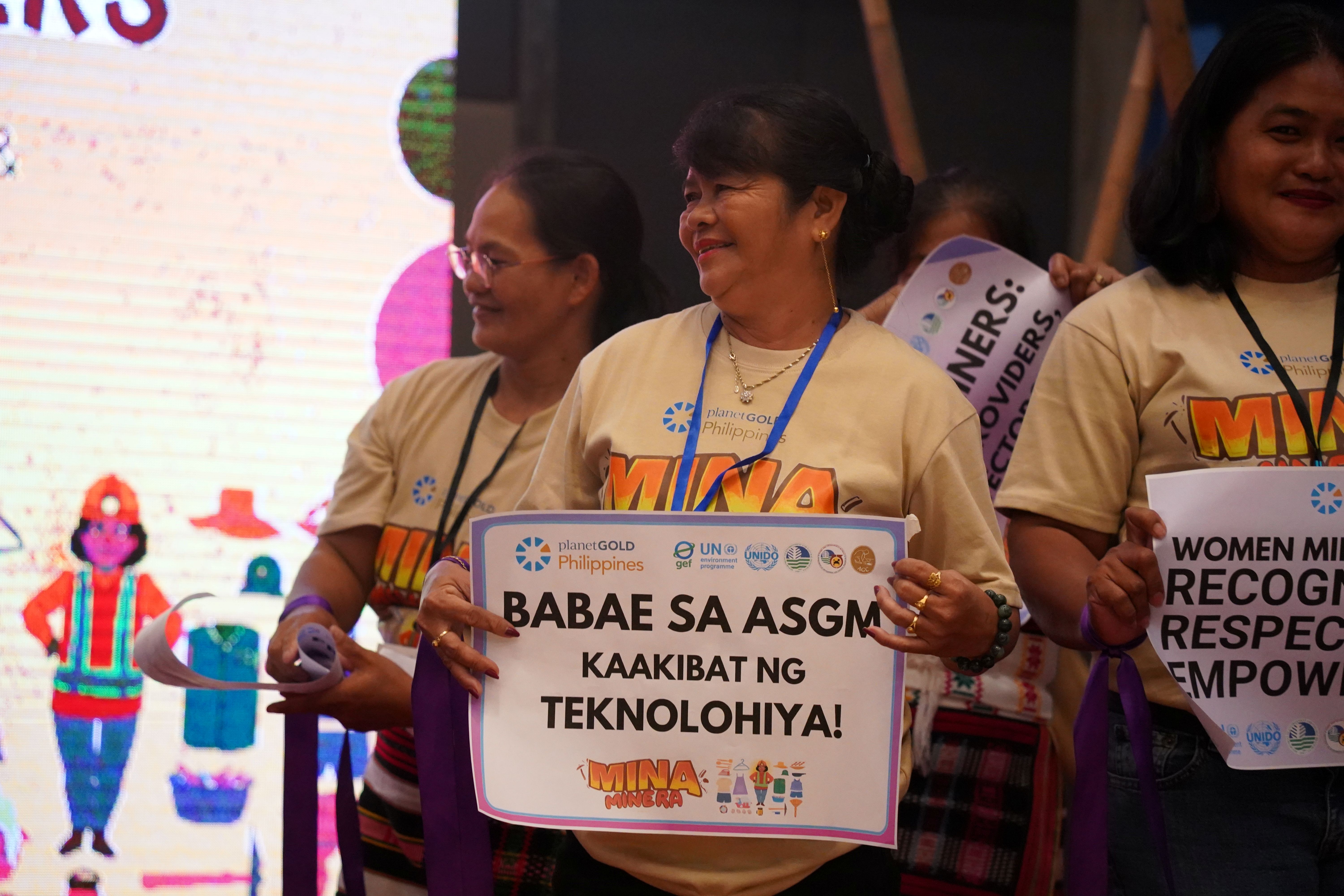
Vilma hopes her story, and the stories of countless women like her, inspire broader recognition of women’s roles in small-scale mining. “We hope to serve as examples of a more just and inclusive economy. Small-scale mining can be safer, smarter, and more sustainable—when women are part of the equation,” she says.
From a young girl panning in rivers to a respected operator of a mercury-free plant, Vilma Padilla demonstrates that when women miners are given tools, training, and space to lead, the entire community thrives. Through generosity, mentorship, and knowledge sharing, we all gain.
###



Related Posts