Beyond Digital Tools: Who Are We Leaving Behind in the Future of Artisanal Mining?
Reflections from the 2026 EPRM Conference in Amsterdam
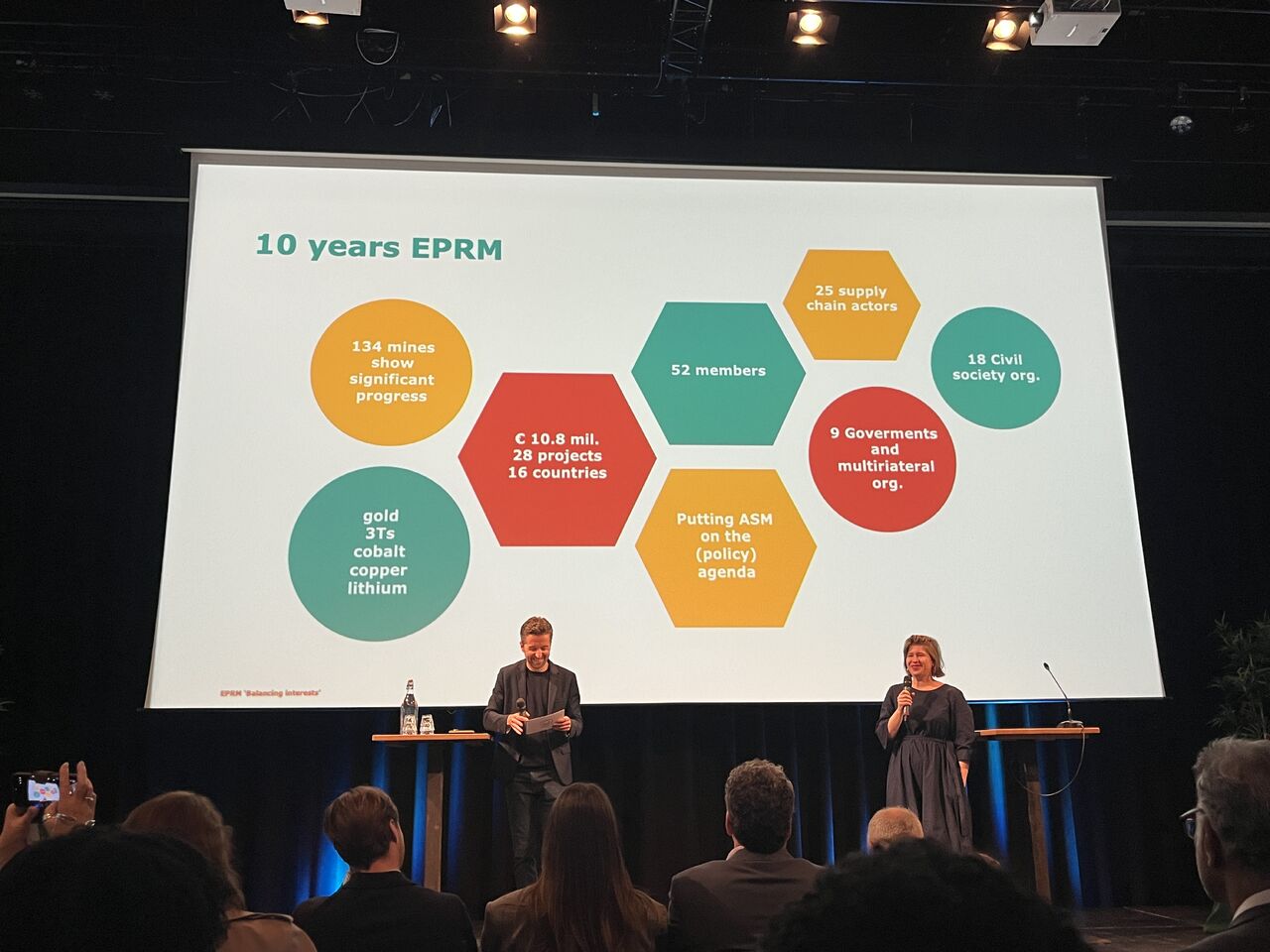
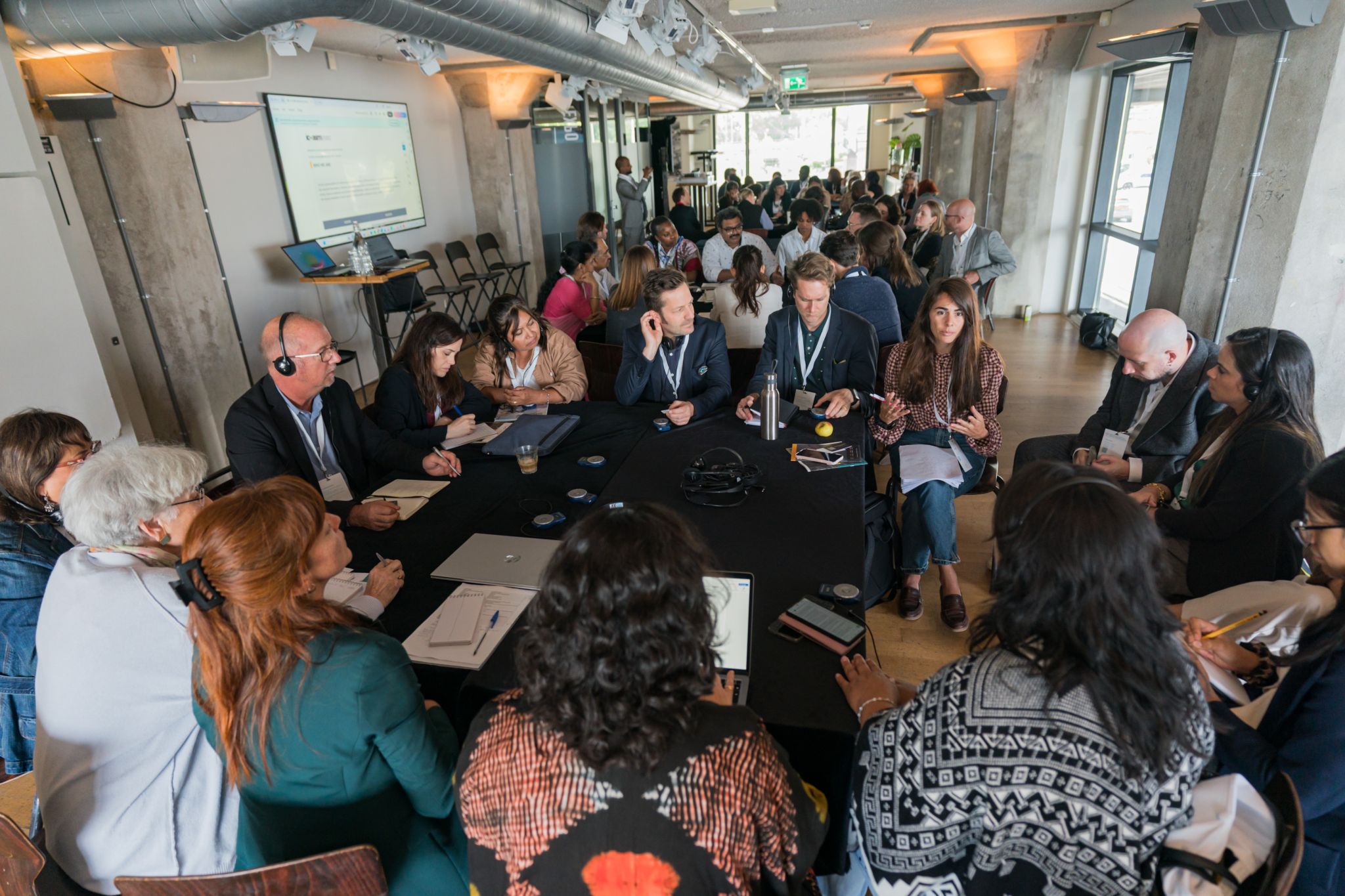
As I wait at the airport for my flight back to Canada, I find myself reflecting on the conversations at the European Partnership for Responsible Minerals (EPRM) 10th Anniversary Conference, “Balancing Interests: ASM’s Role in Reliable and Responsible Value Chains,” held on June 9, 2026, at Pakhuis de Zwijger in Amsterdam, the Netherlands.
The gathering brought together governments, industry actors, researchers, development organizations, and artisanal mining representatives to examine a question that is becoming harder to avoid: how do we balance the competing demands of reliable mineral supply and responsible production in a world hungry for critical minerals?
In an era defined by the energy transition and the growing demand for critical minerals, artisanal and small-scale mining (ASM) is central to that question. It provides livelihoods for millions and supplies significant volumes of minerals essential to global supply chains. Increasingly, it is being recognized not just as a risk to be managed, but as a legitimate economic system that can, under the right conditions, contribute to development and stability.
What struck me most was the sense of optimism in the room.
Many speakers spoke about the future of ASM not as a problem to be managed, but as a sector that can become more responsible, more productive, and more integrated into global mineral value chains. There was growing recognition that artisanal miners are not merely beneficiaries of development programs; they are entrepreneurs, workers, and businesspeople seeking opportunities to improve their livelihoods and contribute to their communities.
As Executive Director of the Artisanal Gold Council (AGC), I share that optimism.
But I also left Amsterdam with an important question.
The Promise and Limits of Digitalization
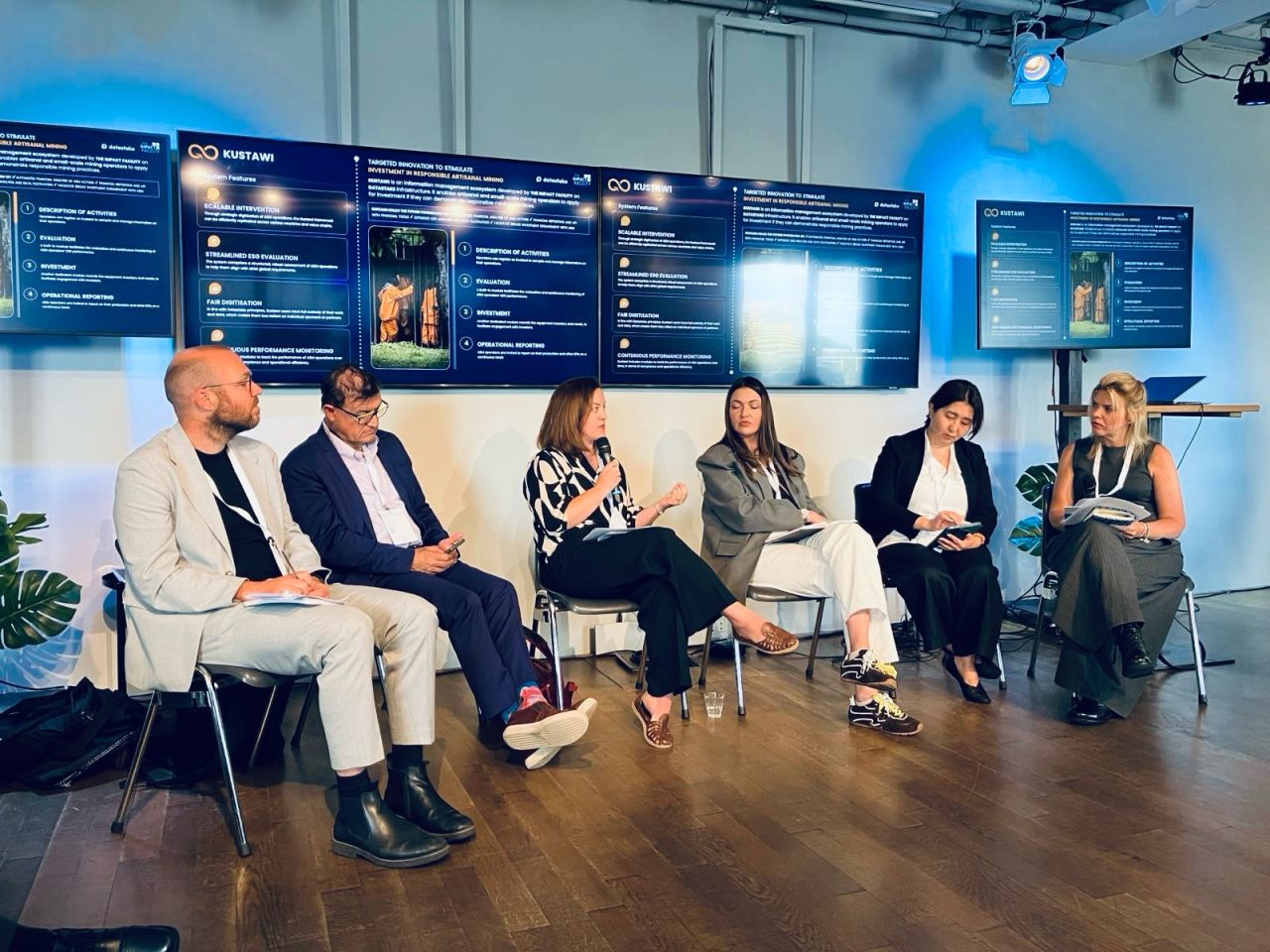
I had the opportunity to participate in the session, "Beyond Traceability: Can Digital Tools Truly Deliver Reliable and Responsible Mineral Value Chains?" alongside experts from UNDP, TDi Sustainability, IPIS, and LuNA Smelter.
The discussion focused on a topic that has gained significant momentum over the last decade: digitalization.
From traceability systems and digital production records to blockchain platforms and mine-site monitoring tools, technology is increasingly being promoted as a solution to many of the challenges facing ASM. Governments want better oversight. Companies need reliable information to meet due diligence requirements. Buyers want confidence that minerals are sourced responsibly.
A few years ago, I viewed many of these innovations with skepticism. Too often, digital solutions seemed like technologies searching for problems to solve.
Today, my perspective is more nuanced.

The reality is that one of the biggest barriers to responsible ASM development is the lack of reliable and accessible information. Data gaps affect nearly everything: production monitoring, environmental management, mercury reduction efforts, access to finance, formalization, and market participation.
In that sense, digital tools can play an important role. They can improve transparency, strengthen record keeping, support responsible sourcing, and help connect miners to markets and services.
But technology alone is not enough.
Many digital initiatives are designed primarily to give governments, regulators, and downstream actors greater visibility over mining activities. While those objectives are understandable, they often overlook a simple reality: miners will only adopt new systems if they see a clear benefit for themselves.
Across the world, many artisanal miners have learned to rely on informal systems and networks that have supported their livelihoods for generations. Trust cannot be downloaded through an app or installed through a software platform.
If digitalization is to succeed, it must solve real problems for miners. It must help them earn more, work more safely, access services, reduce risks, or improve their businesses. Otherwise, even the most sophisticated technology will struggle to gain traction.
At AGC, we remain open to innovation. We actively explore how digital tools can contribute to more responsible and inclusive mining. But ultimately, success will depend on whether mining communities themselves see value in these solutions.
Technology should empower miners, not simply monitor them.
Not All Miners Are Starting From the Same Place
Much of the discussion at EPRM reflected a renewed confidence in ASM as a pathway to inclusive economic development. The narrative is familiar: if miners are formalized, if they gain access to finance, if they adopt improved technologies, if they are integrated into responsible supply chains, then ASM can evolve into a structured and responsible sector.
This framing is not new.
In fact, it echoes debates from the 1980s and 1990s, when institutions such as the World Bank and other development actors first began to seriously engage with ASM as a potential engine of local economic growth and small enterprise development. At the time, ASM was often described as an untapped opportunity – one that could be unlocked through formalization, technical support, and investment.
More than three decades later, we are still largely speaking in the same conditional language: if this happens, then ASM will improve.
What remains less clear is how these conditions are actually achieved at scale – and for whom they are realistically attainable.
Across Africa, Asia, and Latin America, there are countless examples of miners and cooperatives that have demonstrated remarkable entrepreneurial potential. Given the right conditions, they can become formal businesses that create jobs, generate income, and contribute to local economies.
However, there is another reality that we do not discuss often enough.
A large proportion of artisanal miners are not yet in a position to take advantage of these opportunities.
Many operate without secure mining rights. Others lack access to basic infrastructure, equipment, training, or financial services. Some are working in remote areas with limited government presence. Many are mining not because they aspire to become entrepreneurs, but because it is one of the few livelihood options available to support their families.
For these miners, the path toward formalization and business development is far more complicated.
This raises a difficult but necessary question: What is our strategy for miners who are not yet market ready?
Too often, development programs focus on the segment of the sector that is already closest to success – the miners most likely to formalize, attract investment, or connect to responsible supply chains.
While those efforts are important, they represent only part of the picture.
If we focus exclusively on the miners who are easiest to support, we risk leaving behind the much larger population that continues to face structural barriers. In doing so, we may unintentionally reinforce the very social, environmental, and governance challenges that the sector is trying to overcome.
Seeing ASM for What It Really Is
Perhaps one of the most important lessons from Amsterdam is that ASM should not be viewed as a single, uniform sector.
It is a spectrum.
At one end are miners and organizations that are ready to engage with formal markets, adopt new technologies, and grow into successful enterprises.
At the other end are communities facing much deeper challenges—communities that need access to education, infrastructure, legal rights, financial inclusion, and basic support before entrepreneurship becomes a realistic pathway.
Both groups matter. Both deserve attention. And both require different approaches.
The future of responsible ASM will not be determined solely by how well we support the most advanced operators. It will also depend on whether we can create meaningful opportunities for the millions of miners who remain outside the reach of formal markets, finance, and technology today.
As the global conversation increasingly focuses on responsible sourcing, critical minerals, and supply chain resilience, we must remember that mining is ultimately about people.
Digital tools can help. Formalization can help. Investment can help. New technology can help.
But lasting progress will depend on whether we build solutions that are inclusive enough to reach those who need them most.
That, in my view, remains one of the greatest challenges, and opportunities, for the ASM sector in the decade ahead. ###