Reflections from the IAC Gold + Diamond Conference: Why the Future of ASGM Depends on Partnership, Not Polarization

It was a privilege to participate in the 16th Annual Gold + Diamond Conference, organized by the Initiatives in Art and Culture (IAC) in New York City. This year's theme, Resilience, was particularly timely, bringing together leaders from across the jewelry industry, mining companies, refiners, development agencies, academia, and civil society to discuss the future of responsible mineral supply chains. Among the many topics explored, one stood out as both urgent and complex: the future of artisanal and small-scale gold mining (ASGM).
For those of us working in the sector every day, one message was unmistakable: the ASGM landscape has changed dramatically over the past few years.
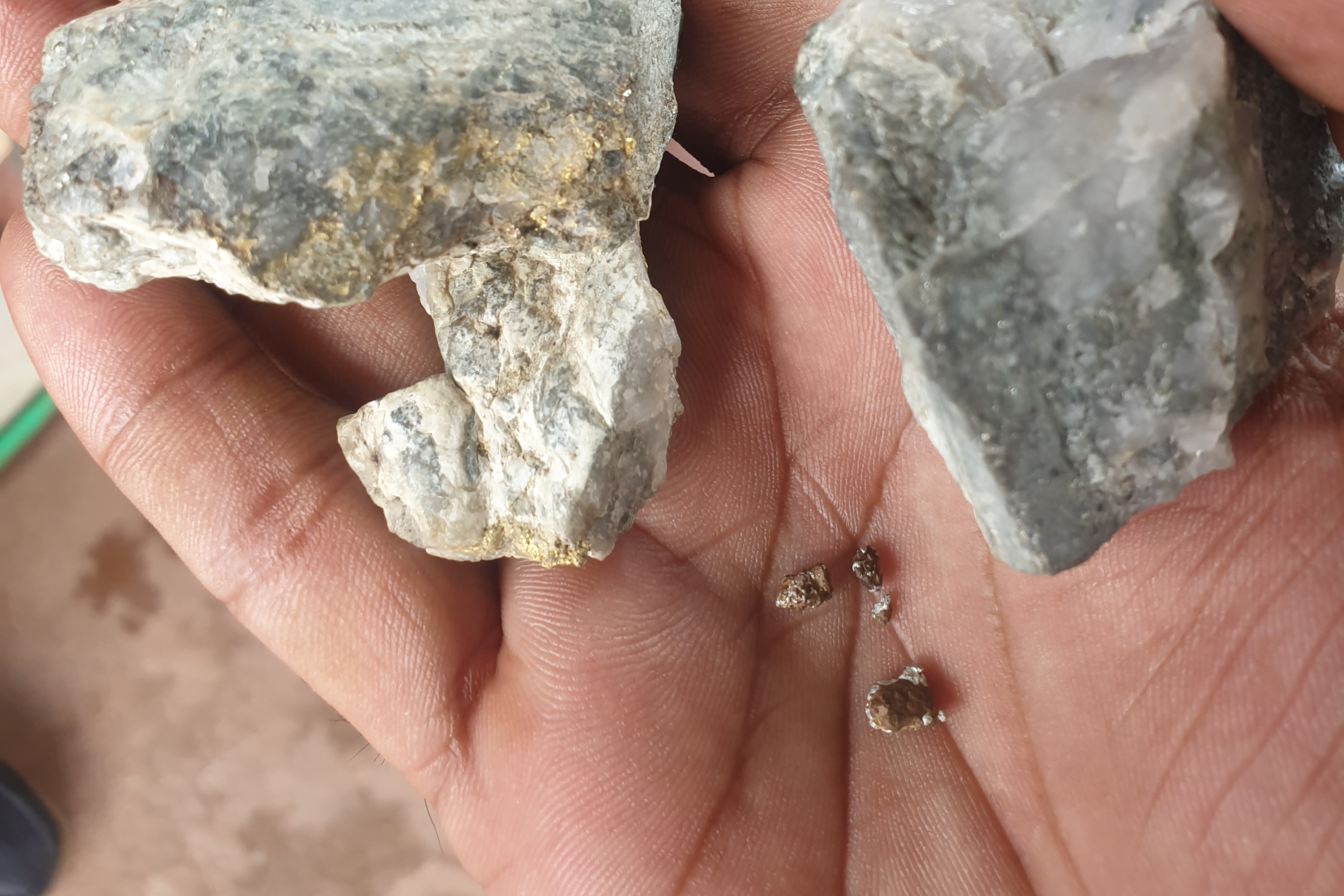
Record gold prices have transformed the economics of artisanal mining. In many countries, ASGM is no longer a marginal activity—it has become a critical pillar of rural economies, supporting millions of people directly and indirectly. Although much of the sector continues to operate informally, its economic contribution is undeniable. Few industries transfer as much wealth directly into some of the world's poorest rural communities as artisanal gold mining.
The question, therefore, is no longer whether ASGM should exist. It already does, and it will continue to do so.
The real challenge is how to transform it into an activity that is environmentally responsible, economically viable, and capable of providing dignified work while respecting human rights, gender equality, and local communities.
The Danger of Simplistic Narratives
Unfortunately, the public debate often oscillates between two simplistic narratives.
The first portrays ASGM solely as an environmental and social crisis, demanding governments "do something". Governments often respond by attempting to formalize miners through new regulations and licensing systems. While these efforts are usually well intentioned, they frequently fail because they require levels of technical capacity, financial resources, and administrative support that neither governments nor miners possess. The result is predictable: low participation, limited compliance, and little real change.
When these approaches fail, many governments swing to the opposite extreme. Formalization efforts are then replaced by repression. Equipment is destroyed, miners are evicted, and conflicts intensify. Rather than building trust, these actions deepen the divide between mining communities and state institutions.
"After more than two decades working in ASGM across Africa, Latin America, and Asia, the Artisanal Gold Council has learned that one of the sector's greatest misconceptions is believing that government alone can formalize ASGM."
Most countries where ASGM represents a significant share of gold production face common structural constraints: limited public resources, weak institutional capacity, competing development priorities, and shortages of specialized technical expertise. Expecting government agencies, often operating with very limited budgets, to solve such a complex challenge on their own is unrealistic.
Why the Private Sector Alone Cannot Bridge the Gap
But believing that the private sector can solve the problem alone is equally unrealistic. If market forces alone were sufficient, we would already have solved the problem.
Mining companies, refiners, and investors must understandably manage risk. Their investments naturally focus on communities that already possess legal certainty, acceptable environmental performance, secure mineral rights, and reliable production volumes. These operations are, in many respects, already "market ready."
The difficulty is that most artisanal mining communities are not.
Many operate in remote regions with weak governance, limited infrastructure, insecure land tenure, and little access to finance or technical assistance. These communities require patient engagement before they become attractive commercial partners.
Many companies are sincerely committed to coexistence models and responsible sourcing, and their efforts deserve recognition. However, expecting corporations to carry out what are fundamentally public development functions stretches well beyond their core mandate. In some contexts, corporate involvement may even be viewed with suspicion by local communities.
The Power of Independent Partnerships
This is precisely where independent organizations have an essential role to play.
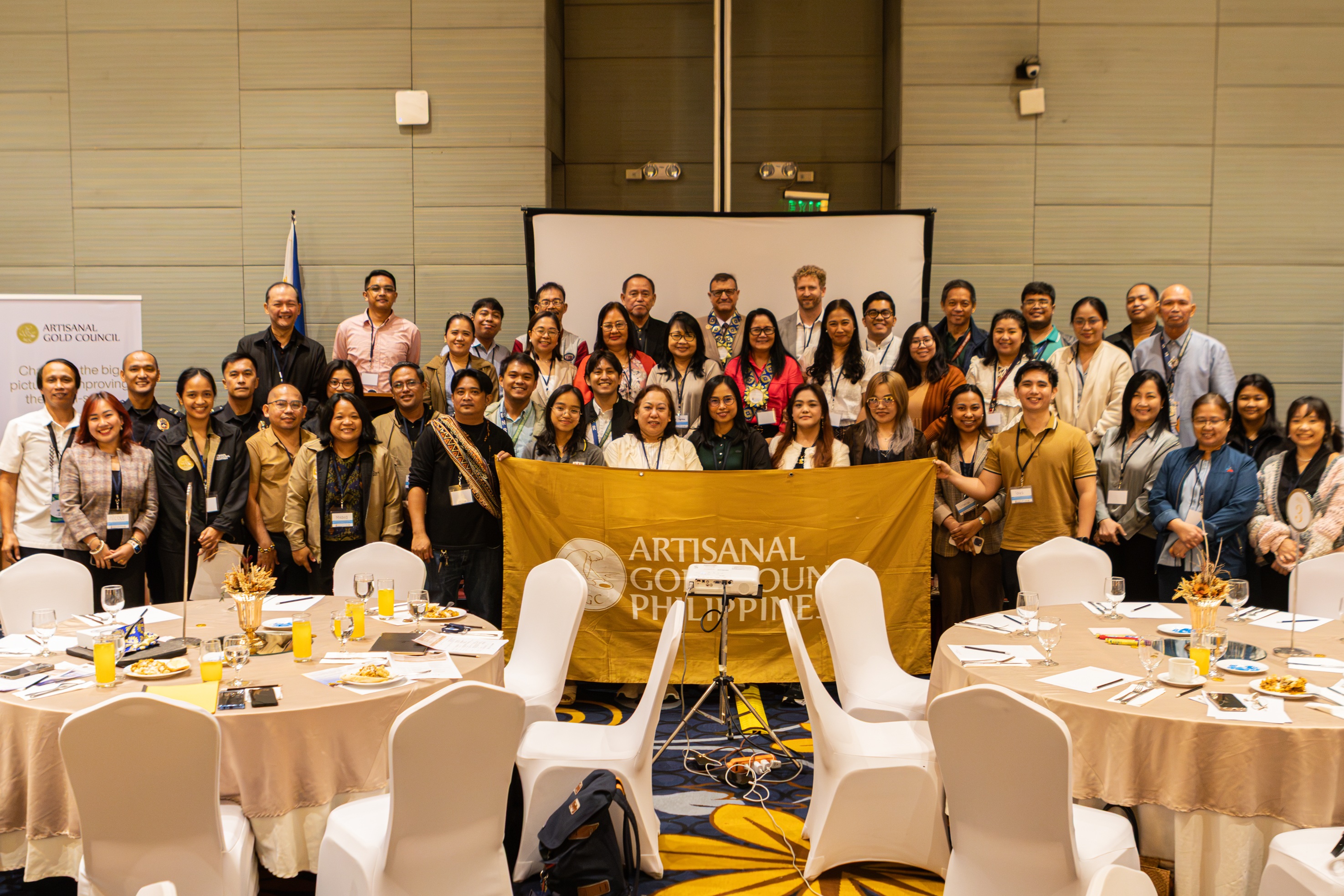
At the Artisanal Gold Council (AGC), we believe that successful formalization requires partnership rather than substitution. Governments, industry, local communities, civil society, and international organizations each bring unique strengths. None can succeed in isolation.
Our role is to bridge these worlds.
As a decentralized, locally based non-profit organization, AGC develops national teams that combine technical expertise with long-term relationships on the ground. We support governments in designing practical policies, help mining communities adopt mercury-free technologies and improved environmental practices, and facilitate constructive dialogue between communities, companies, and regulators.
Through initiatives such as the planetGOLD Programme, financed by the Global Environment Facility (GEF) and implemented globally by UNEP and UNIDO, AGC has served as an executing agency in several countries. Our experience has reinforced a simple lesson: lasting change occurs when governments remain in the driver's seat while trusted local organizations help close technical, institutional, and social gaps.
Moving Forward with Urgency
What encouraged me most in New York was the growing consensus across the industry. There was broad recognition that responsible ASGM cannot be achieved through regulation alone, nor through philanthropy alone, nor through market incentives alone. It requires coordinated action, long-term commitment, and mutual trust among all stakeholders.
At the same time, I left with a sense of urgency.
The scale of the challenge continues to grow, while international development resources remain constrained. As donor priorities evolve, it is essential that support for implementation on the ground is not overlooked. Effective policies ultimately succeed or fail in remote mining communities—not in conference rooms.
Organizations like AGC provide something that cannot easily be built overnight: decades of technical experience, trusted relationships with governments and communities, local implementation capacity, and the ability to operate in some of the world's most challenging environments.
The future of responsible gold will not be secured by any single institution. It will be built through partnerships that recognize the realities of artisanal mining while working together toward a common goal: a mercury-free, environmentally responsible, economically viable, and fully formalized ASGM sector that improves the lives of millions of mining families around the world.
Sincerely,
Roger Tissot
Executive Director, Artisanal Gold Council